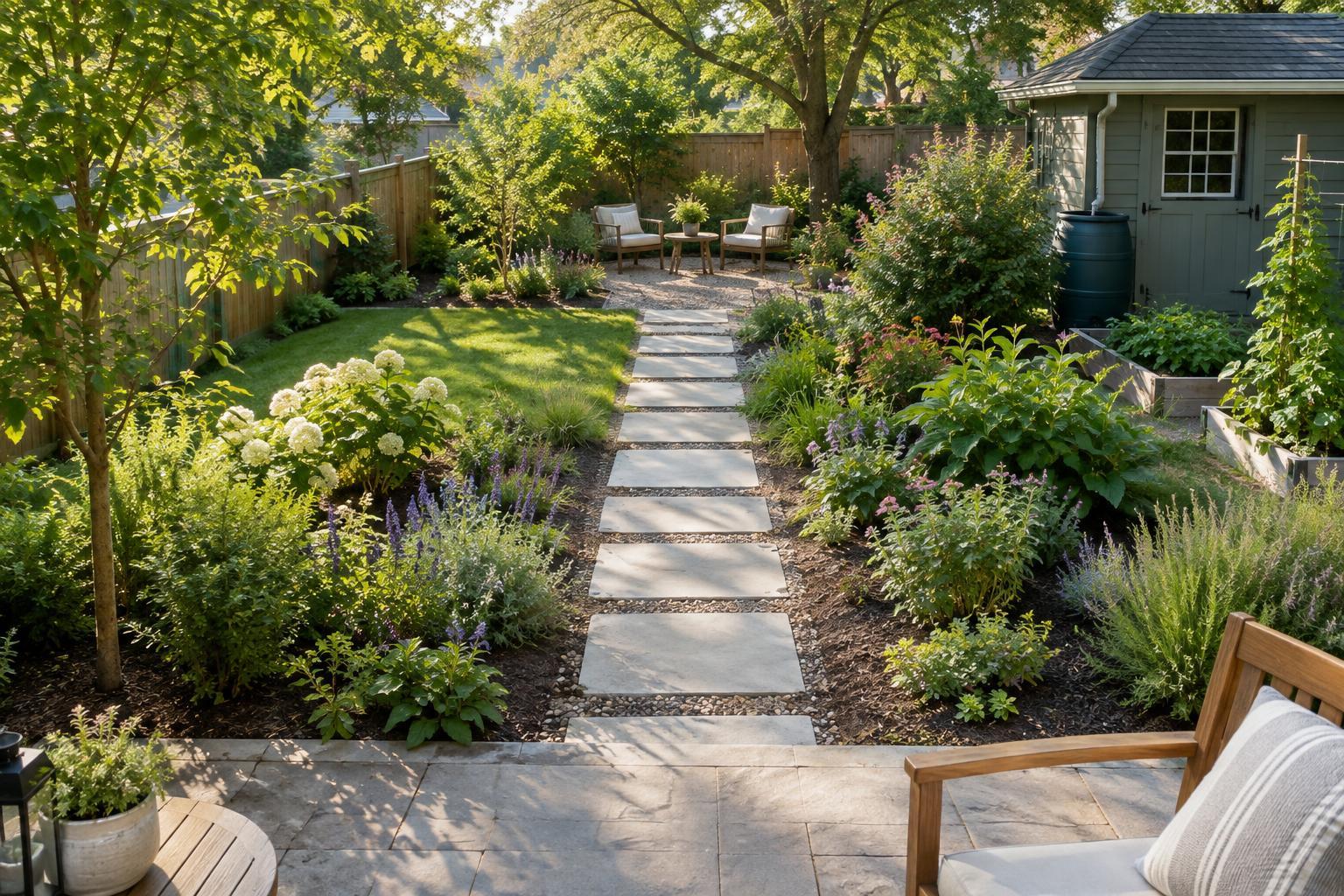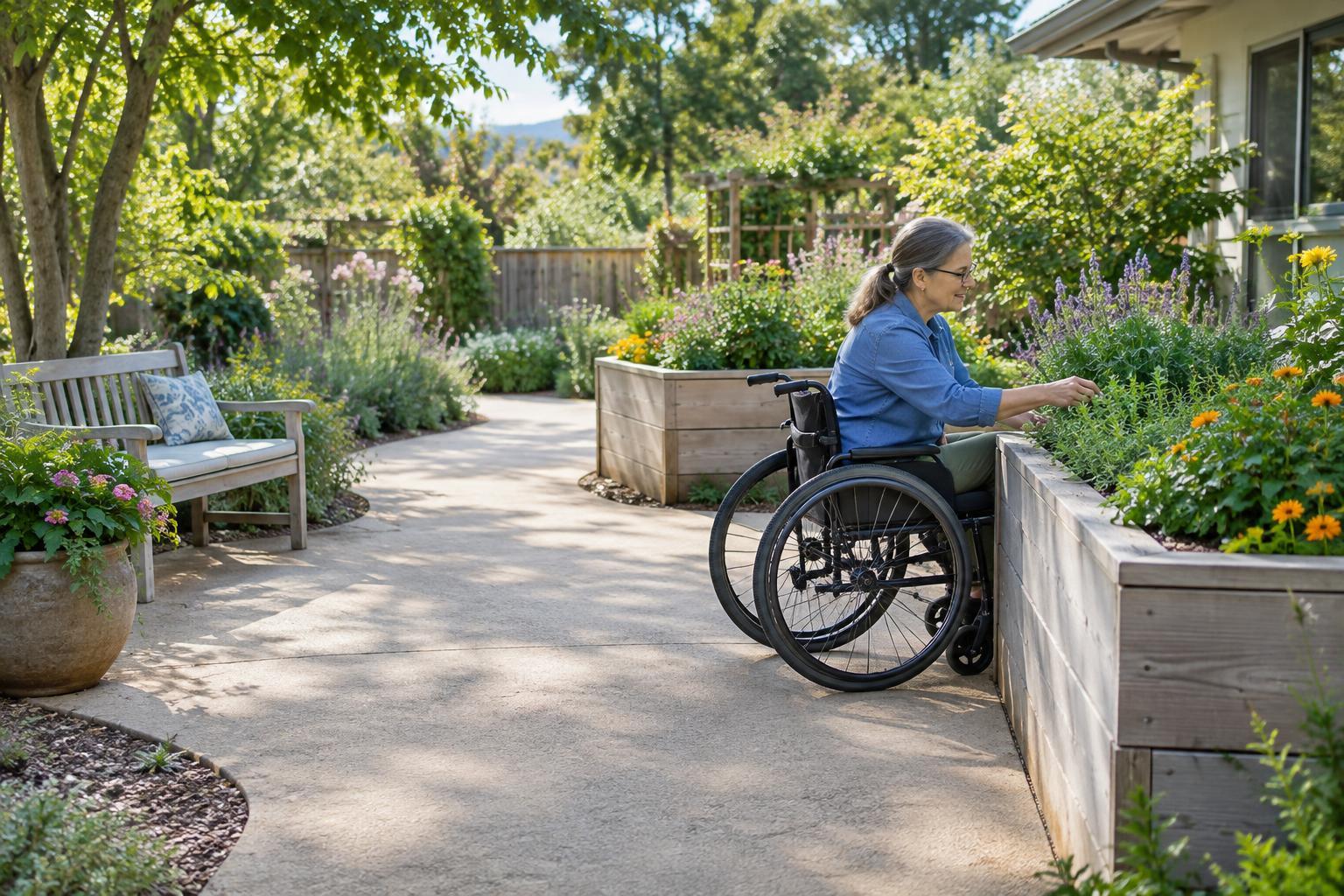
Garden PlanningAn accessible garden starts with a layout that makes moving, reaching, resting and maintaining the space easier. Use these practical planning ideas to adapt paths, planting areas and outdoor gathering spots to the people who use them.
Read article · 4 min↗
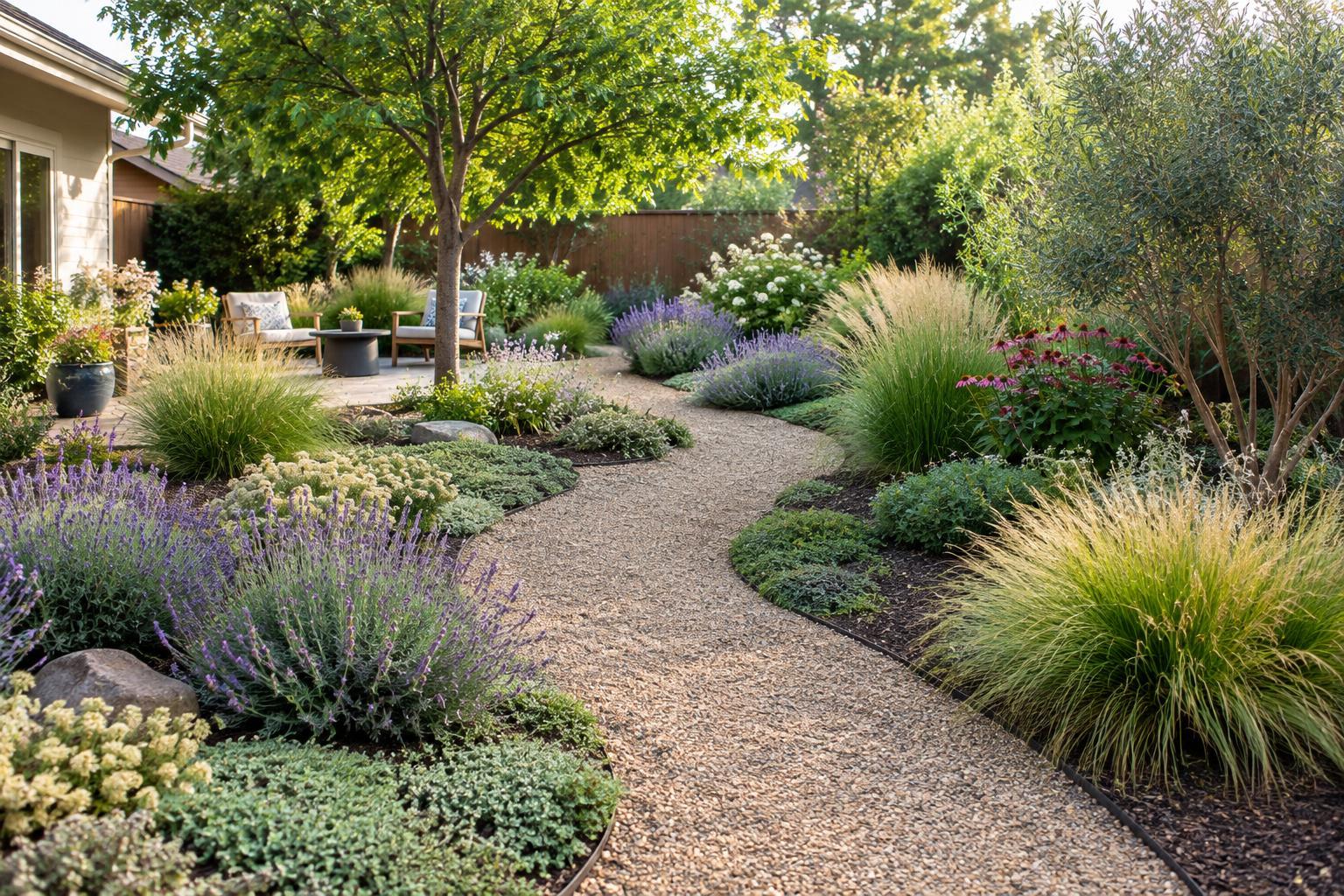
Garden PlanningA lower-maintenance garden starts with a layout that is easy to reach, plants suited to the site, and fewer recurring chores. Use these practical design choices to make your outdoor space simpler to care for without making it feel bare.
Read article · 4 min↗
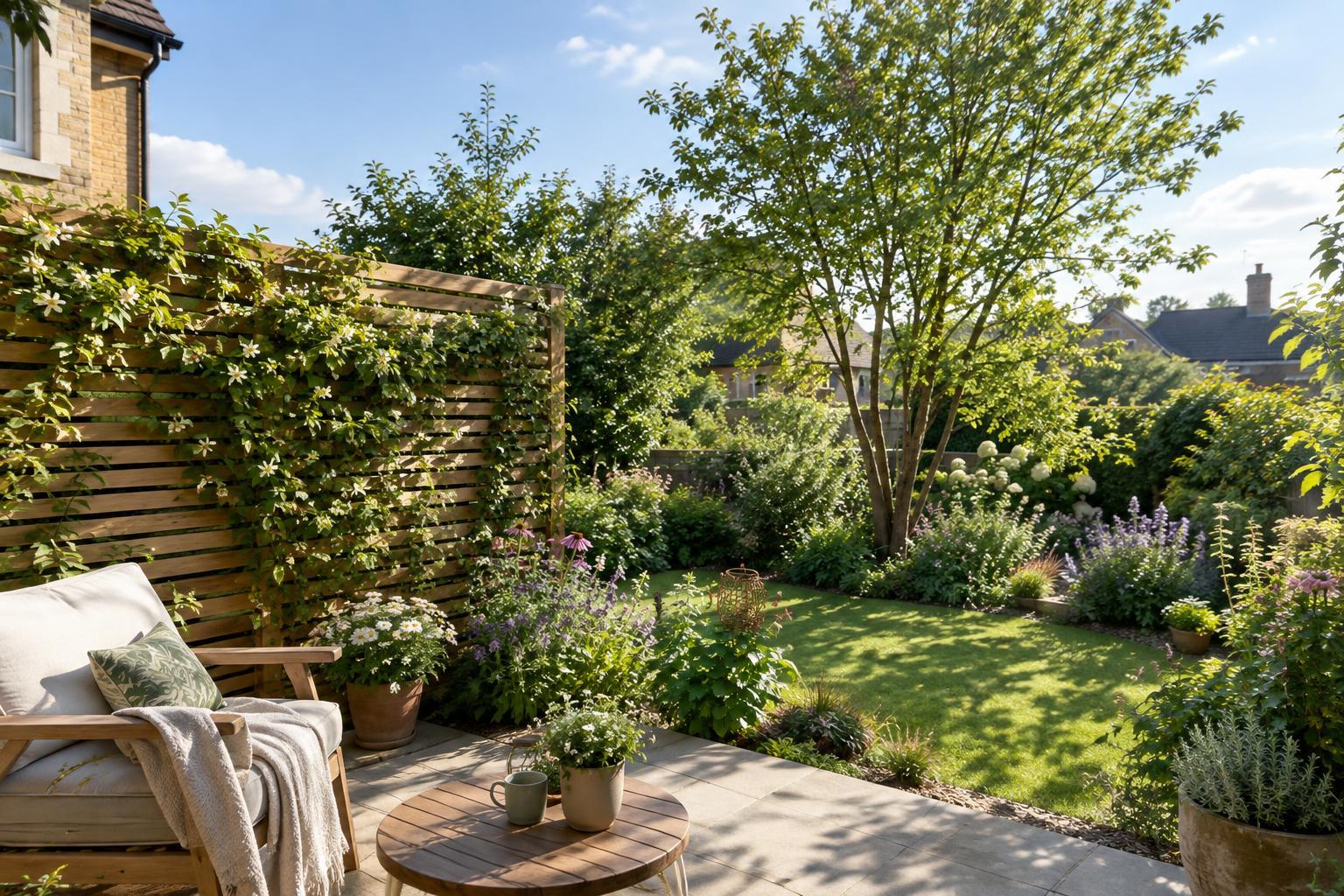
Garden PlanningA private garden does not need to be a dark one. Identify the views you want to screen, map the light your plants and seating areas need, and use carefully placed barriers that leave the rest of the space open.
Read article · 4 min↗
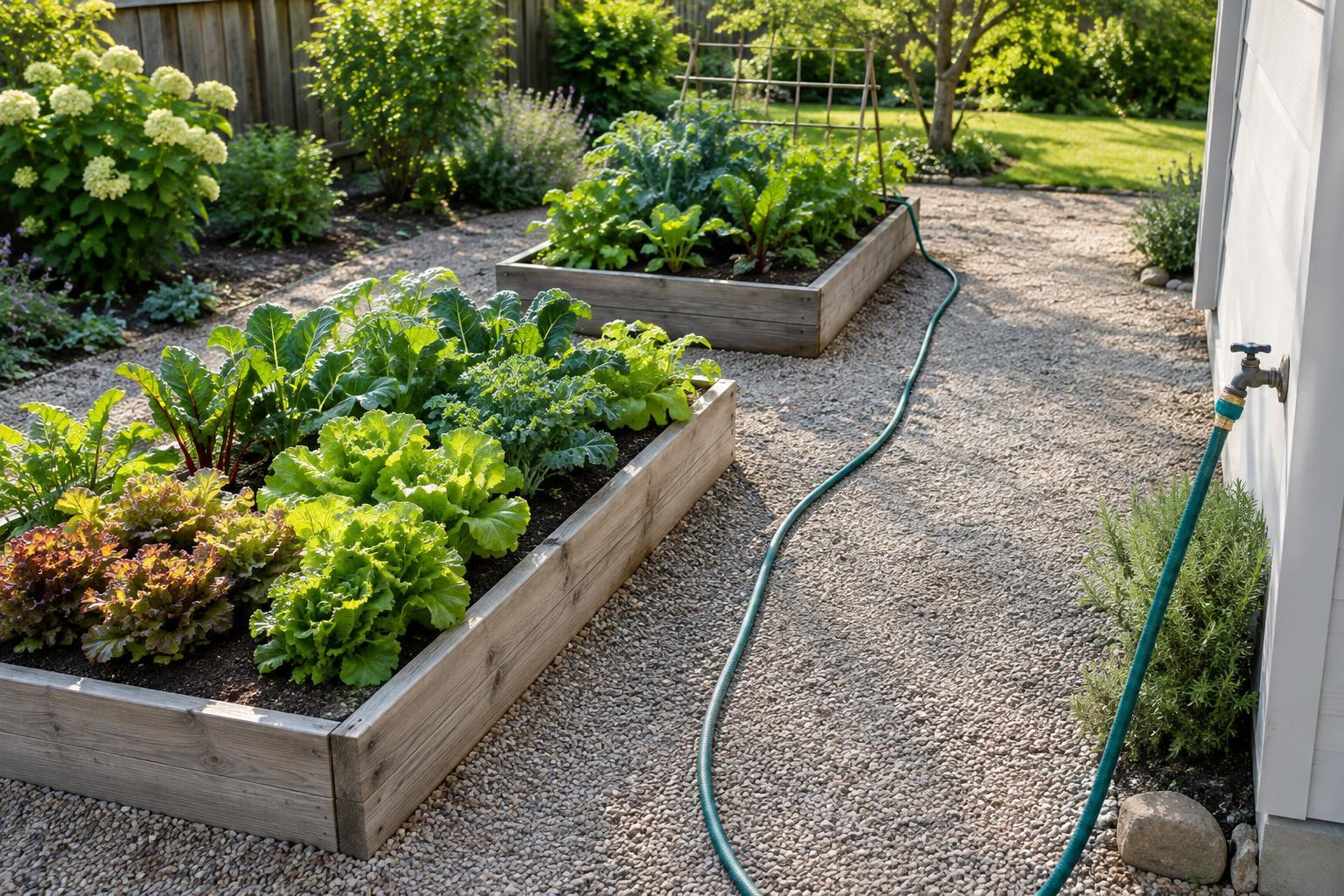
Garden PlanningA garden bed is easier to care for when water is close, but the shortest route to a tap is not always the best spot. Learn how to balance hose access with sunlight, drainage, safe paths and room to work.
Read article · 4 min↗
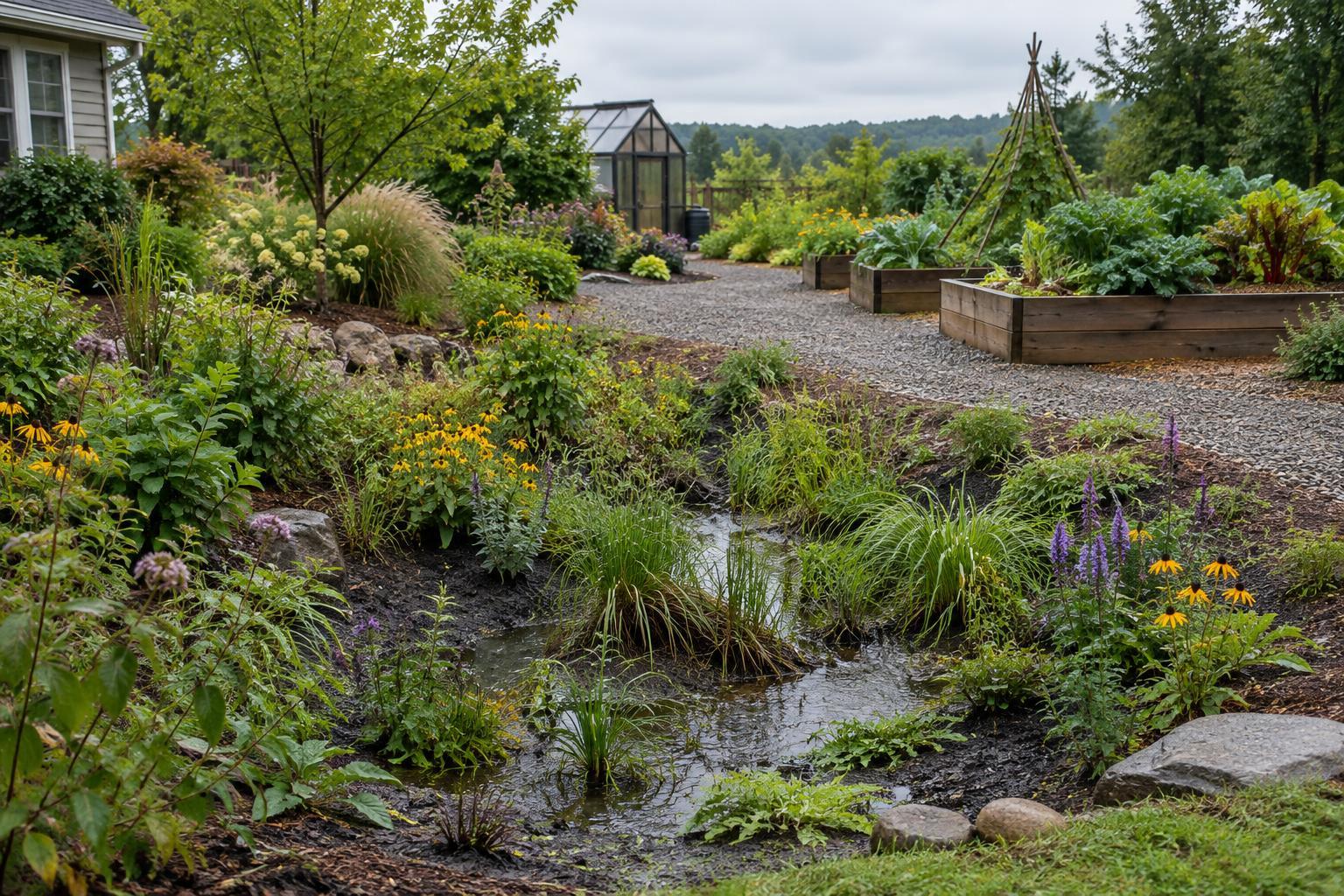
Garden PlanningGood drainage planning starts with watching where water goes. Learn how to identify wet and dry areas, place beds and paths thoughtfully, improve soil without expecting quick fixes, and choose plants that suit the conditions you have.
Read article · 4 min↗
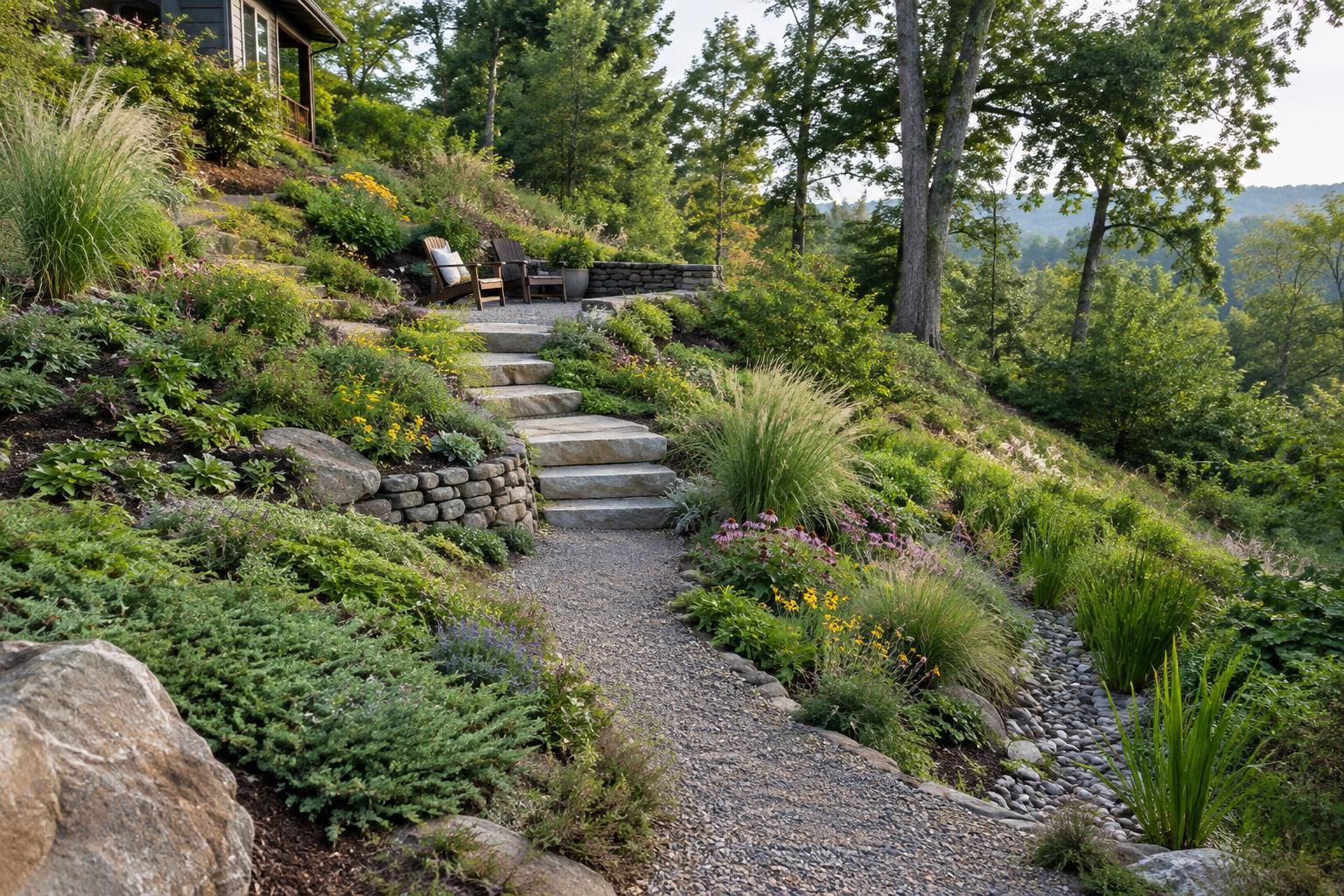
Garden PlanningA slope can give a garden character, views and distinct planting areas, but it also changes how you move through the space and manage water. Start by observing the site, then plan paths, planting and any level areas around the land rather than trying to flatten everything.
Read article · 4 min↗
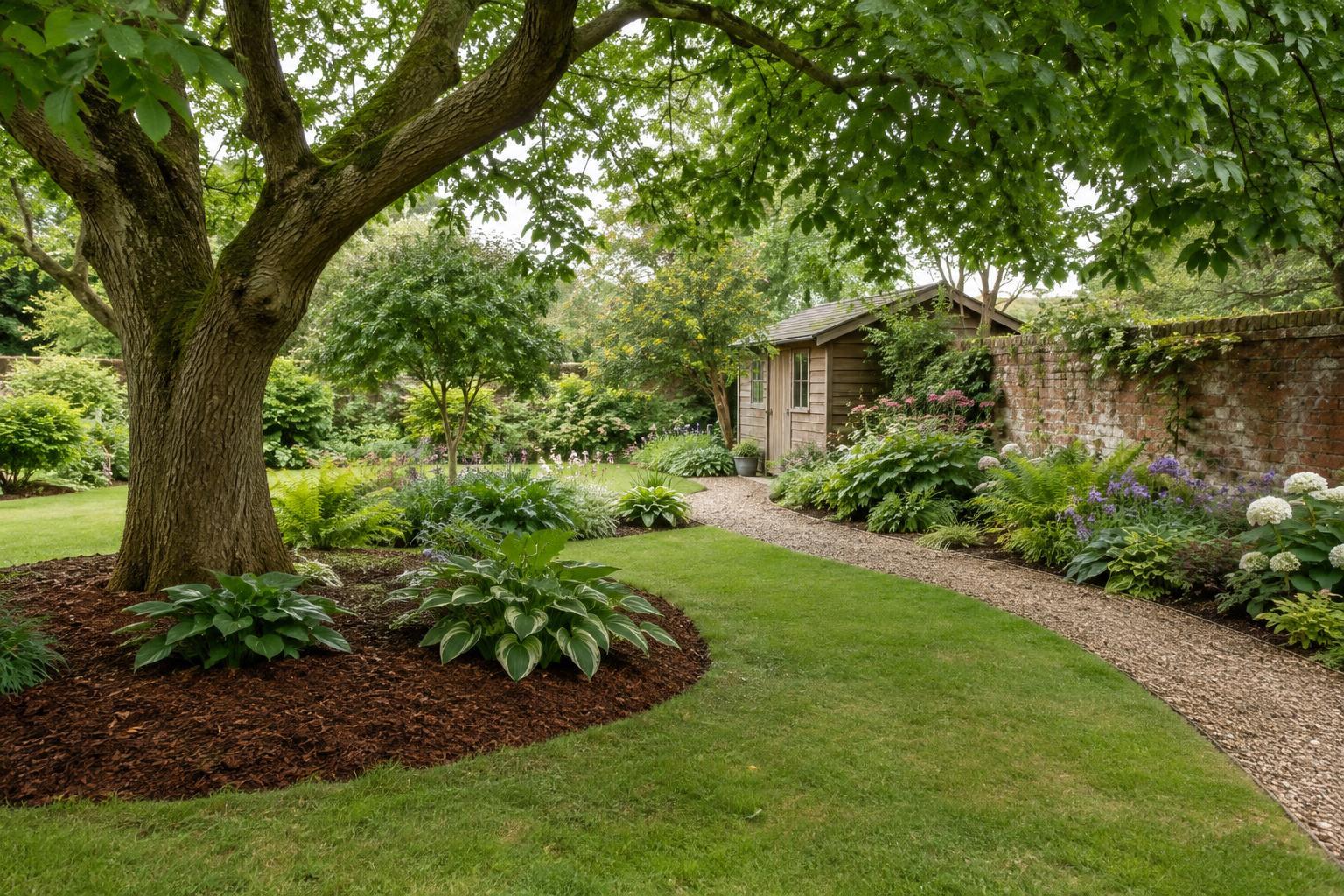
Garden PlanningTrees, walls, sheds and paths can give a garden its character before a new plant goes in. Learn how to map what is already there, protect tree roots, work with shade and drainage, and shape a practical layout around the features you want to keep.
Read article · 4 min↗
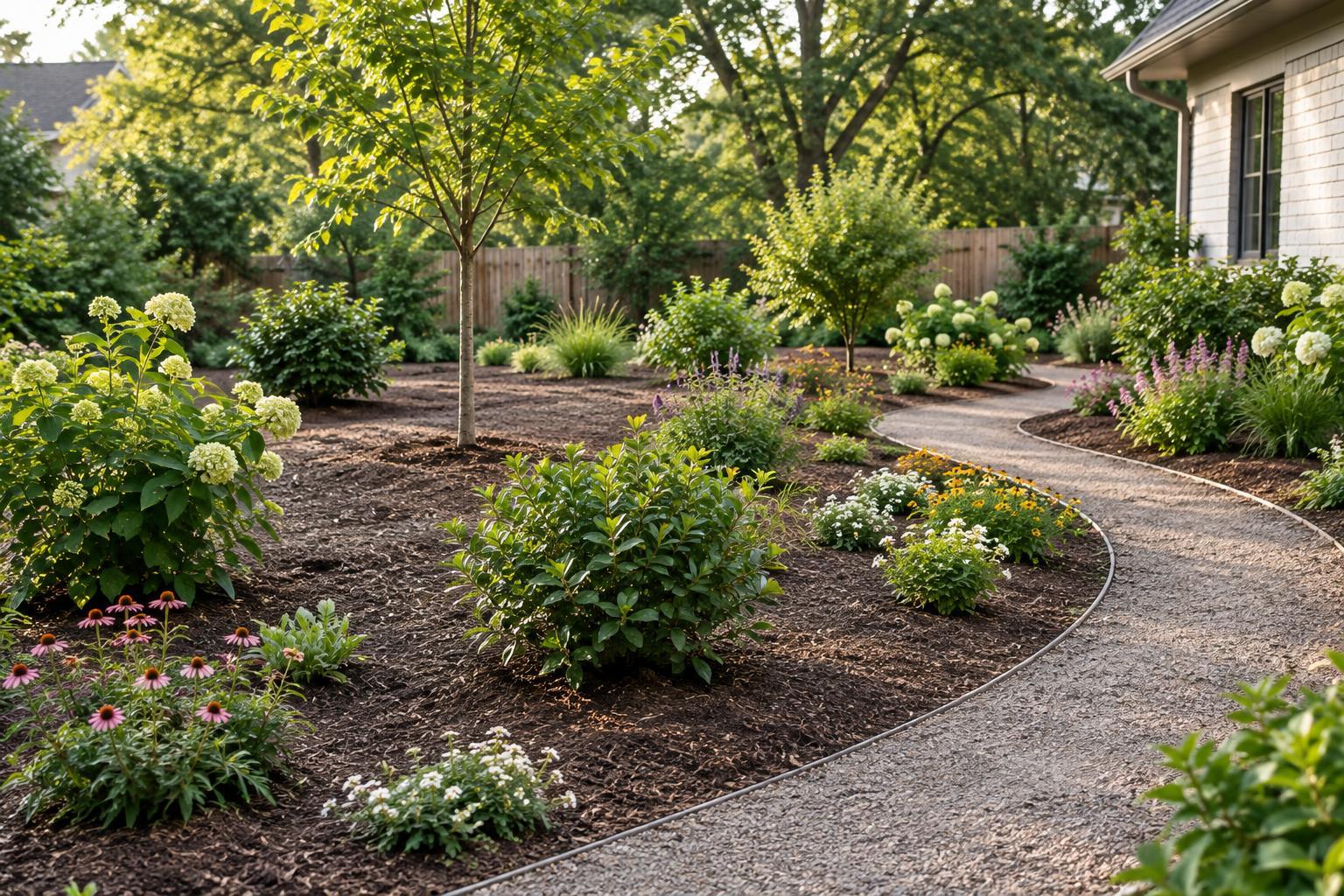
Garden PlanningA newly planted garden can look sparse, but filling every gap often creates problems later. Learn how to use mature plant sizes to place trees, shrubs and perennials with room to grow, while keeping the space useful from the start.
Read article · 4 min↗
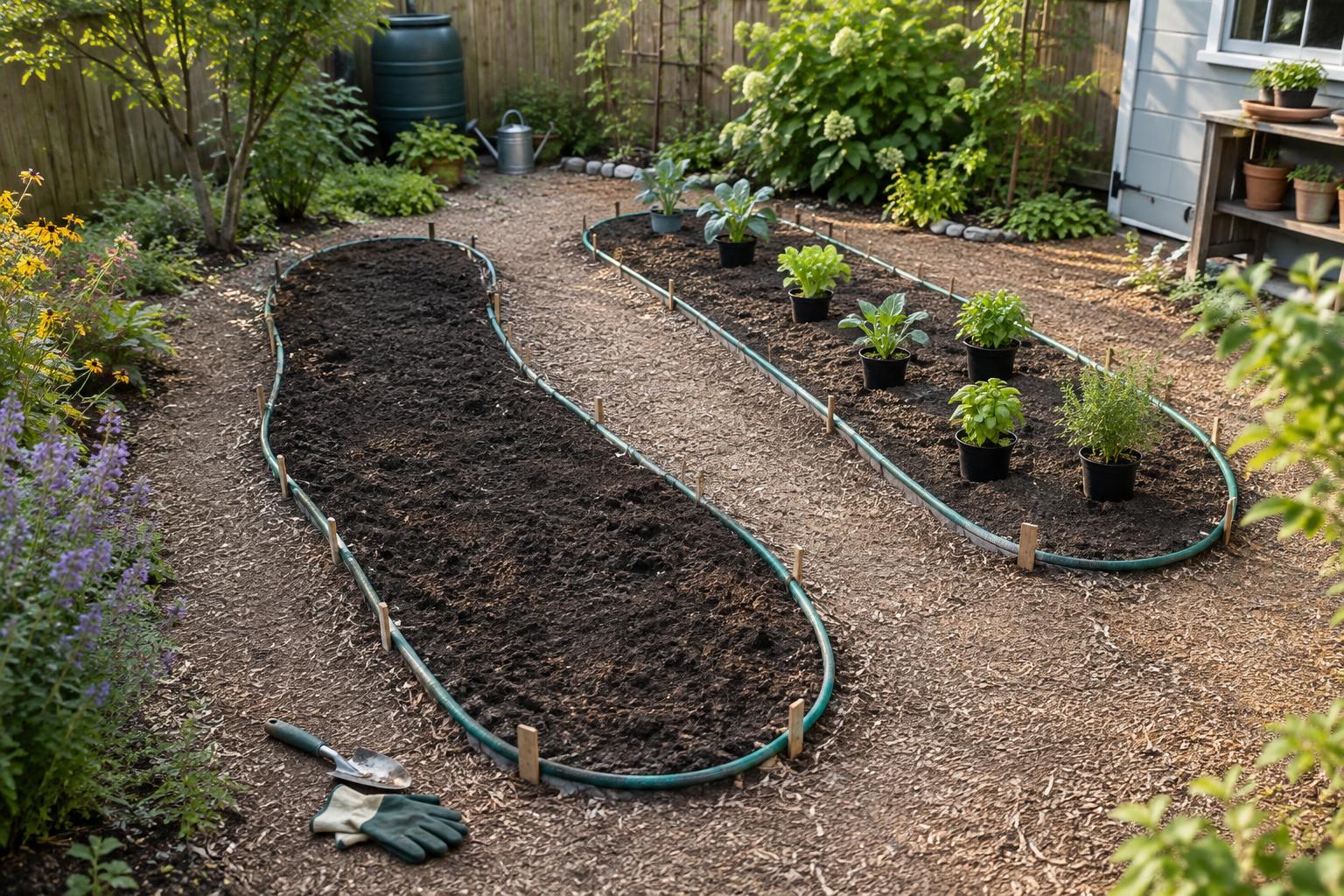
Garden PlanningA garden bed should fit the space, the gardener and the plants. Learn how to plan comfortable working widths, useful paths and shapes that are easy to maintain before you start digging.
Read article · 4 min↗
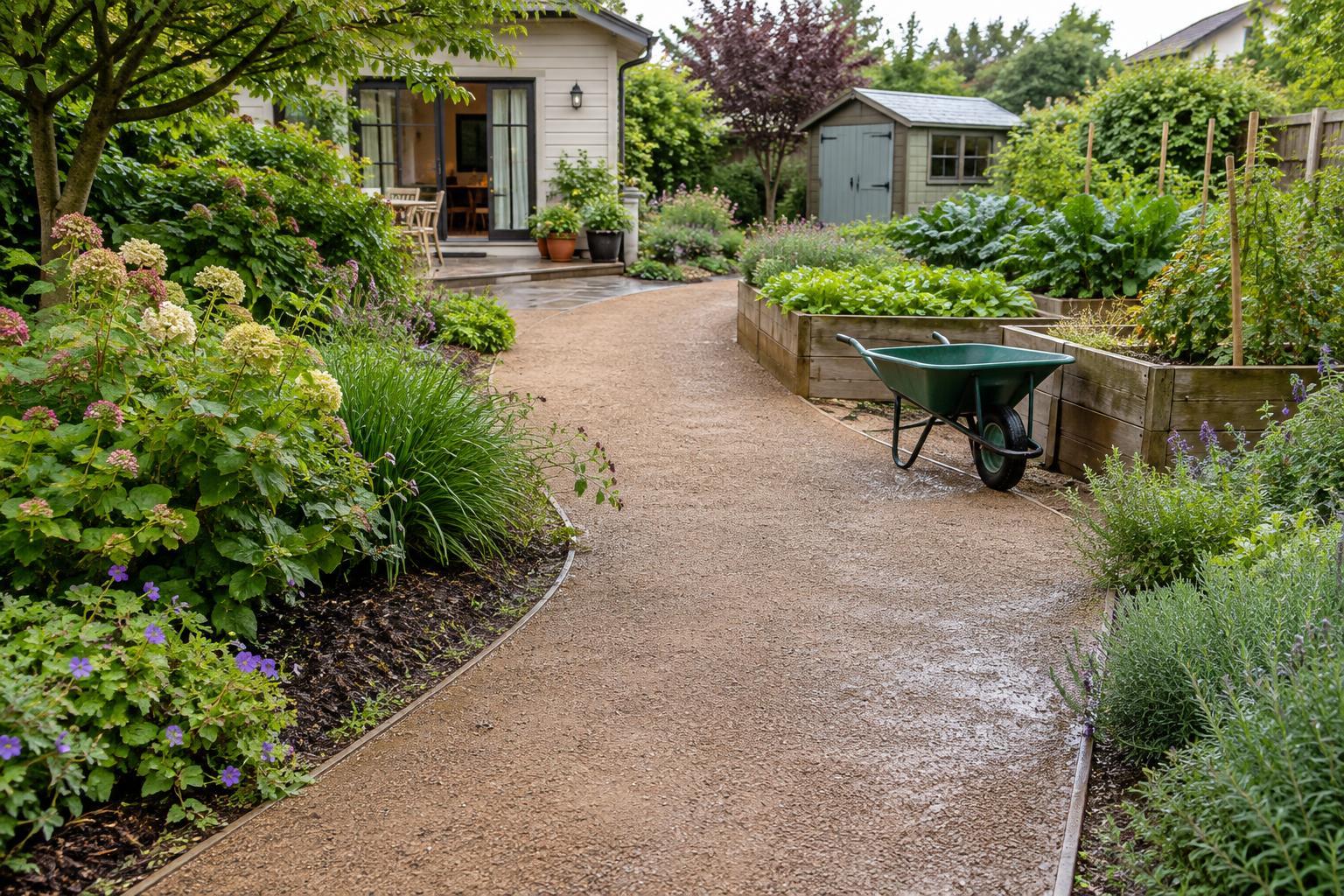
Garden PlanningA garden path should make daily trips easy, not just look good from the house. Learn how to map useful routes, allow room to move, choose a suitable surface and plan for drainage and upkeep.
Read article · 4 min↗
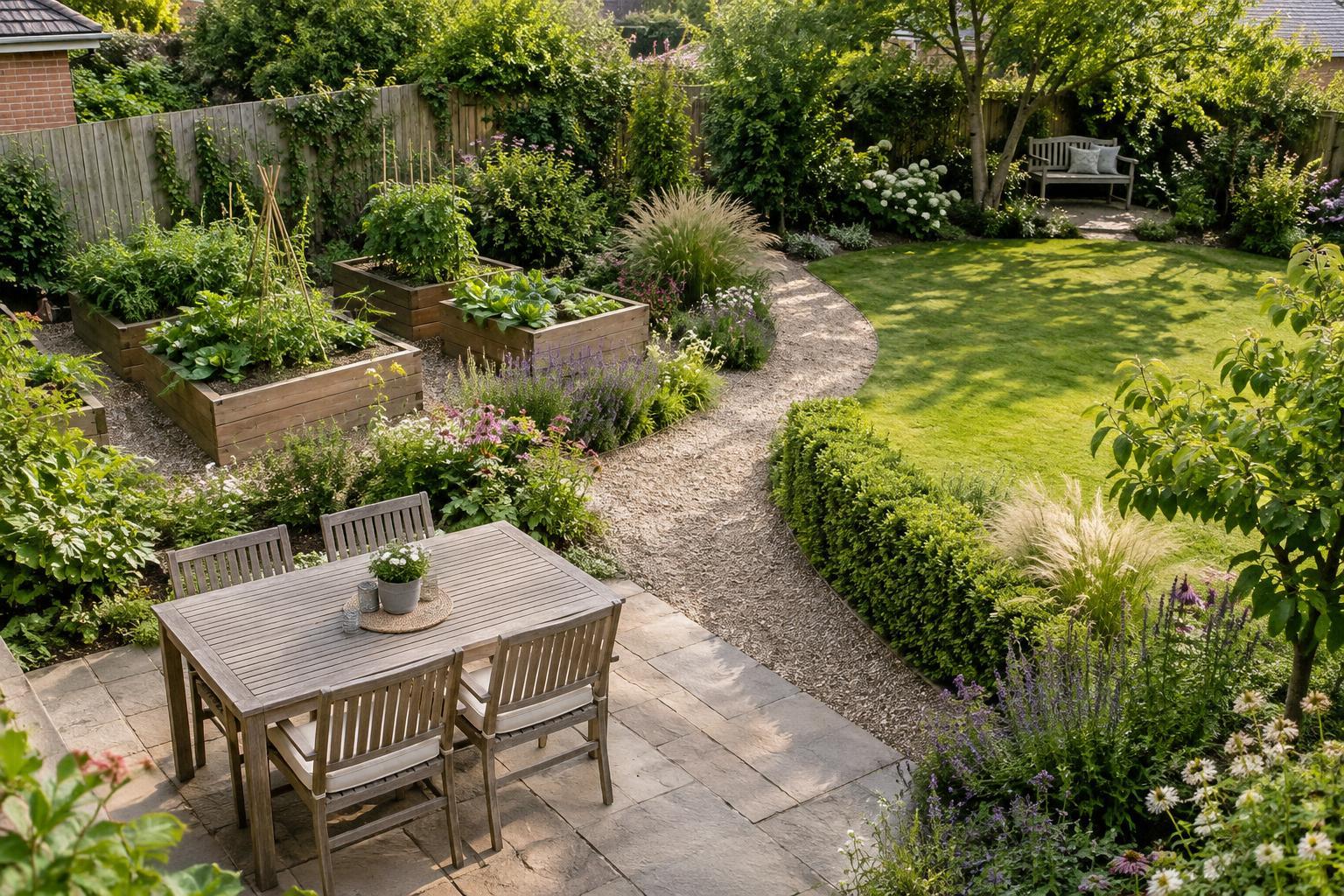
Garden PlanningA garden can make room for dining, growing, play and quiet time without feeling chopped into pieces. Start with how you use the space, then use paths, planting and a few clear boundaries to give each activity a place.
Read article · 4 min↗
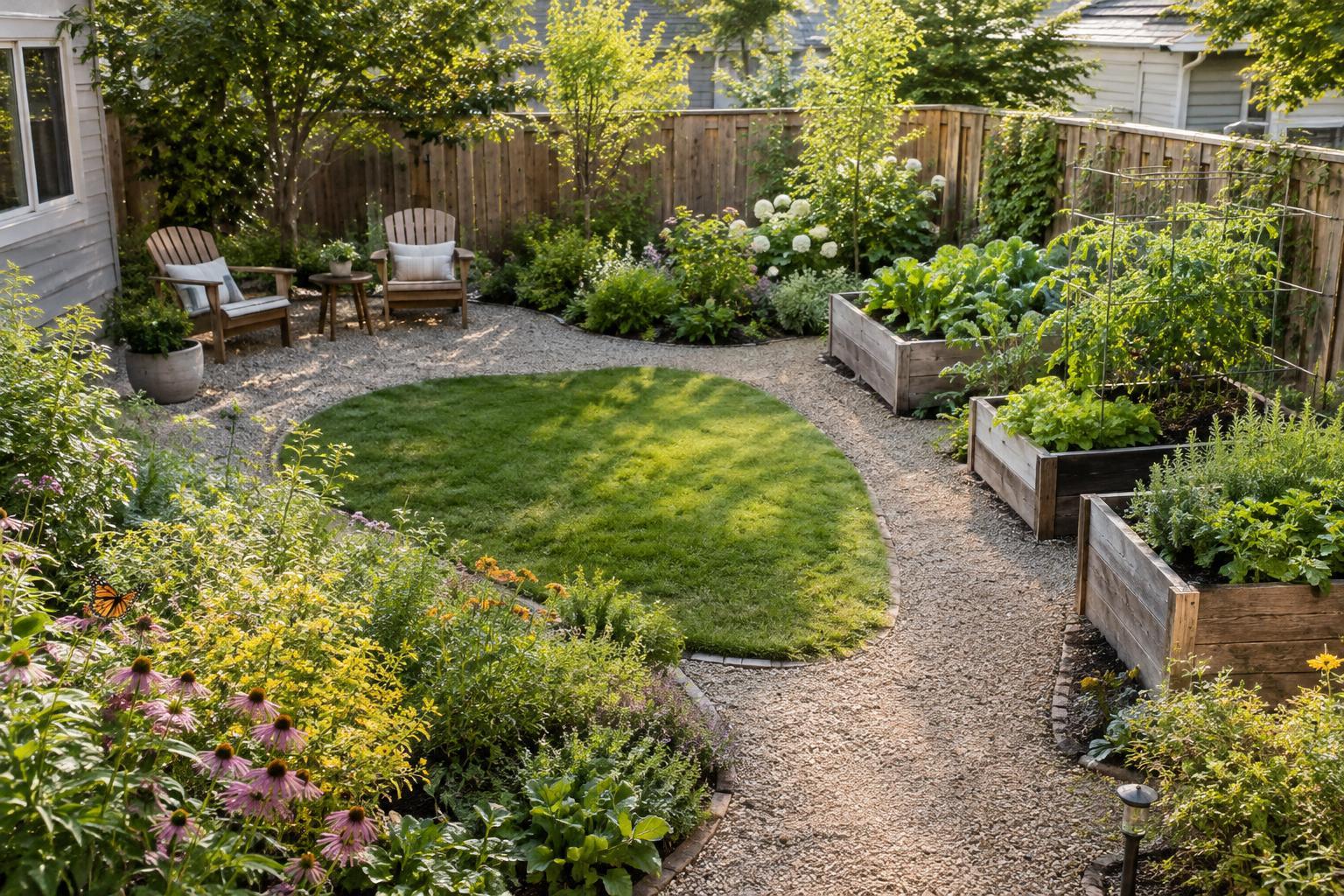
Garden PlanningA garden can be a place to relax, grow food, welcome wildlife and spend time with others, but not every use needs equal space. Learn how to choose priorities, resolve competing needs and build a flexible plan you can manage.
Read article · 4 min↗
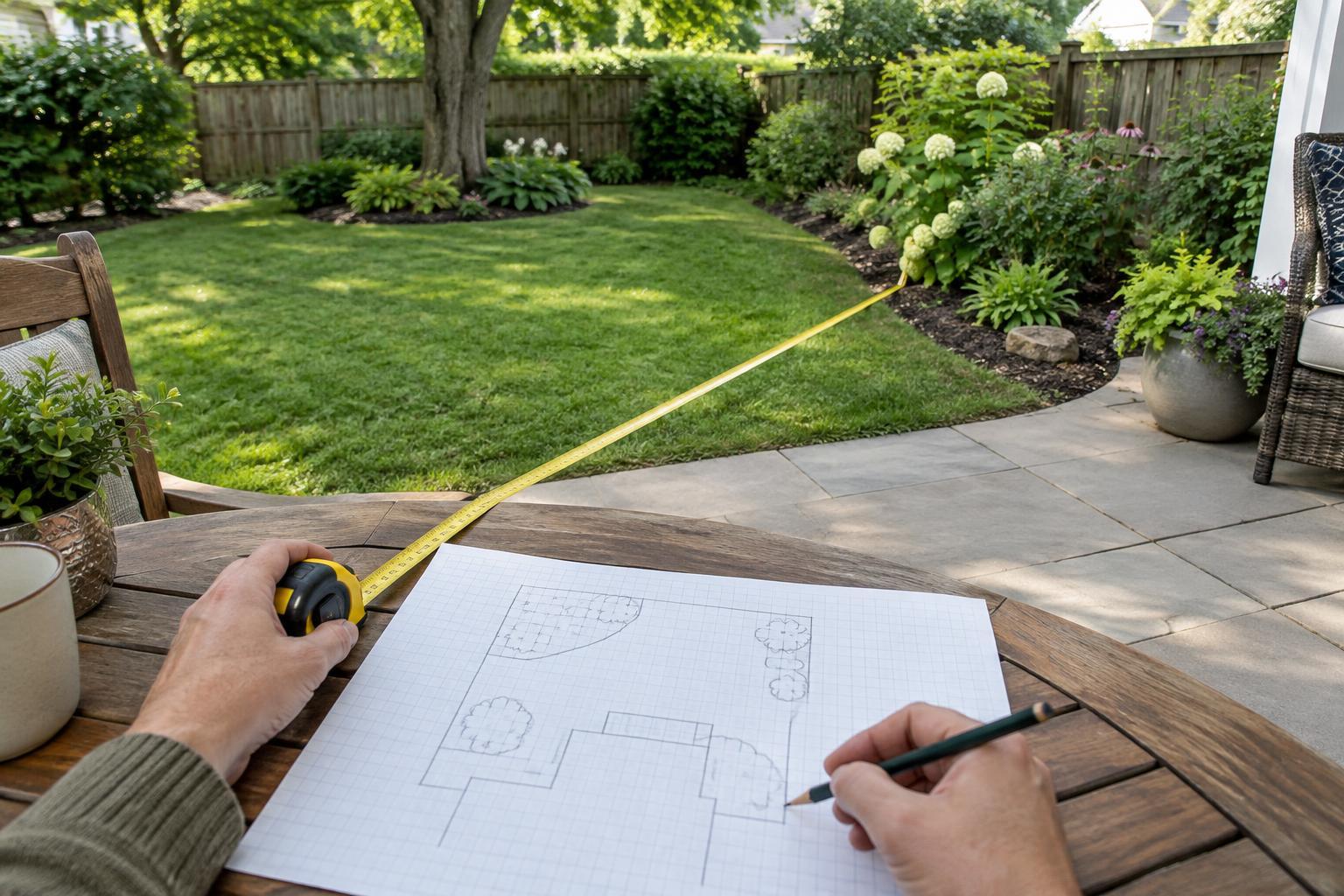
Garden PlanningA useful garden plan starts with a few careful measurements, not drawing skills. Learn how to record your yard’s shape, locate existing features and turn your notes into a scale drawing you can use to explore layout ideas.
Read article · 4 min↗
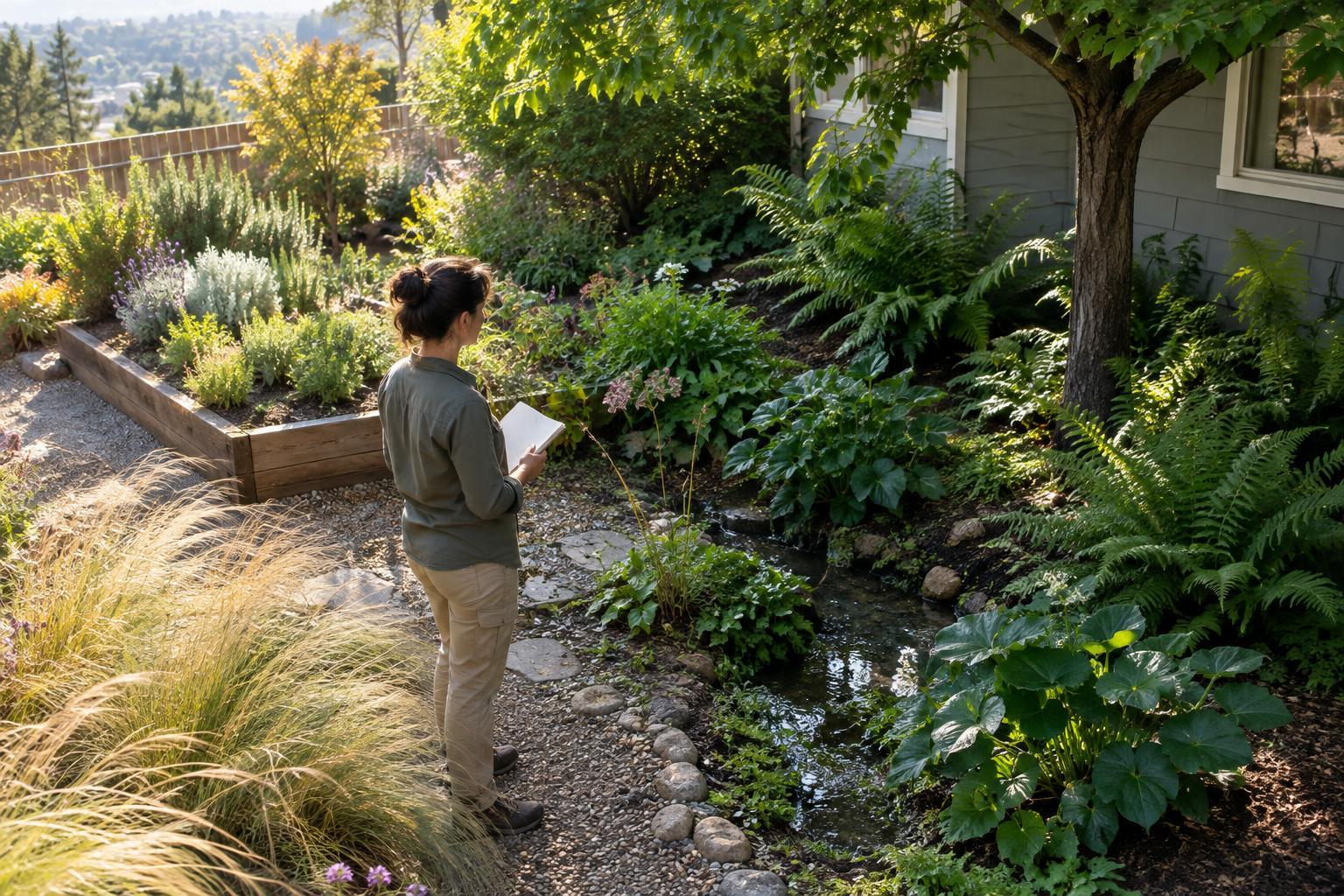
Garden PlanningA yard can hold several growing conditions at once. Learn how to spot differences in sun, wind, temperature and moisture, then use those observations to place plants more thoughtfully.
Read article · 4 min↗
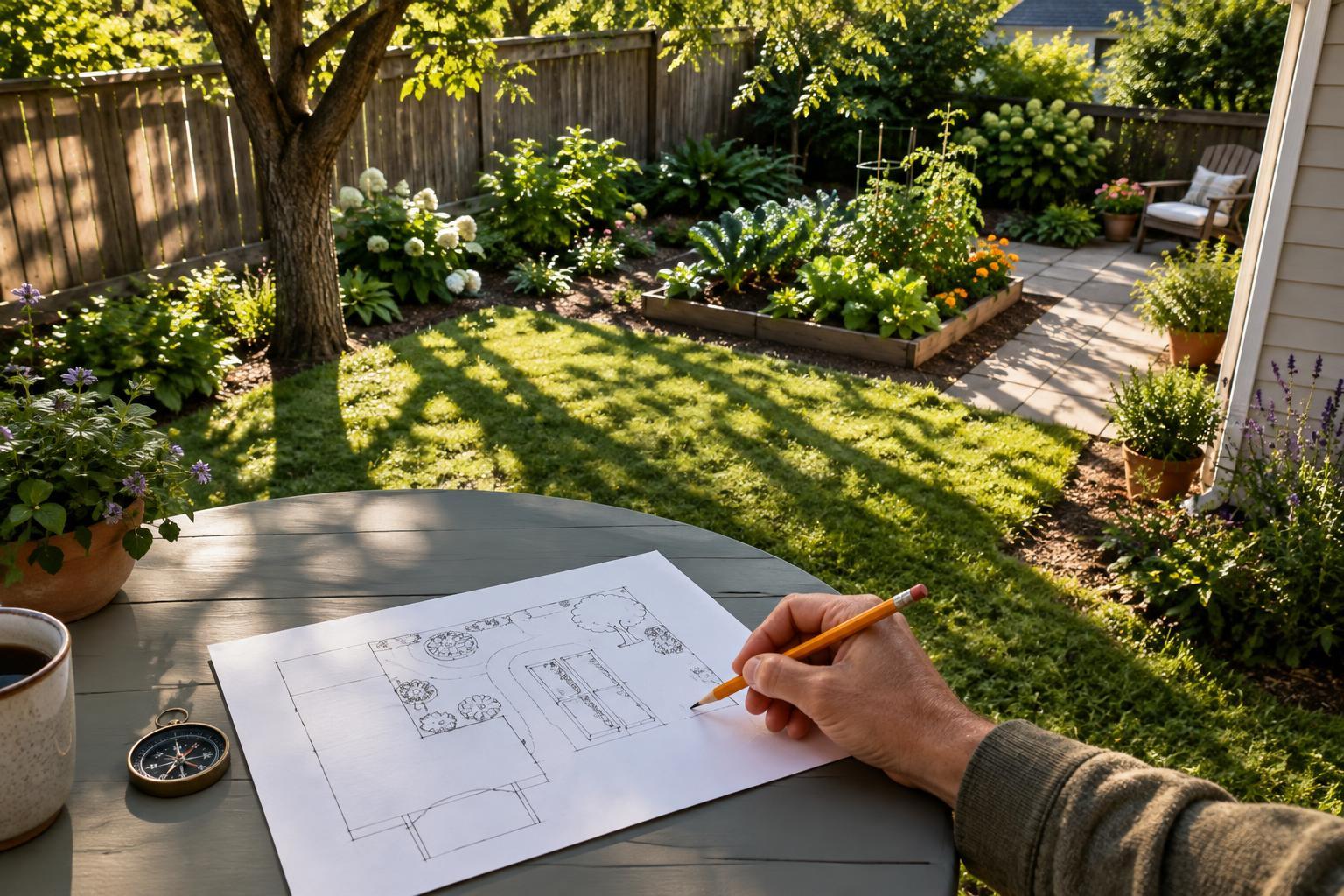
Garden PlanningA garden’s light changes by the hour and season. Learn how to make a simple sun-and-shade map, identify useful planting zones, and spot the places where buildings, trees and fences affect your plans.
Read article · 4 min↗
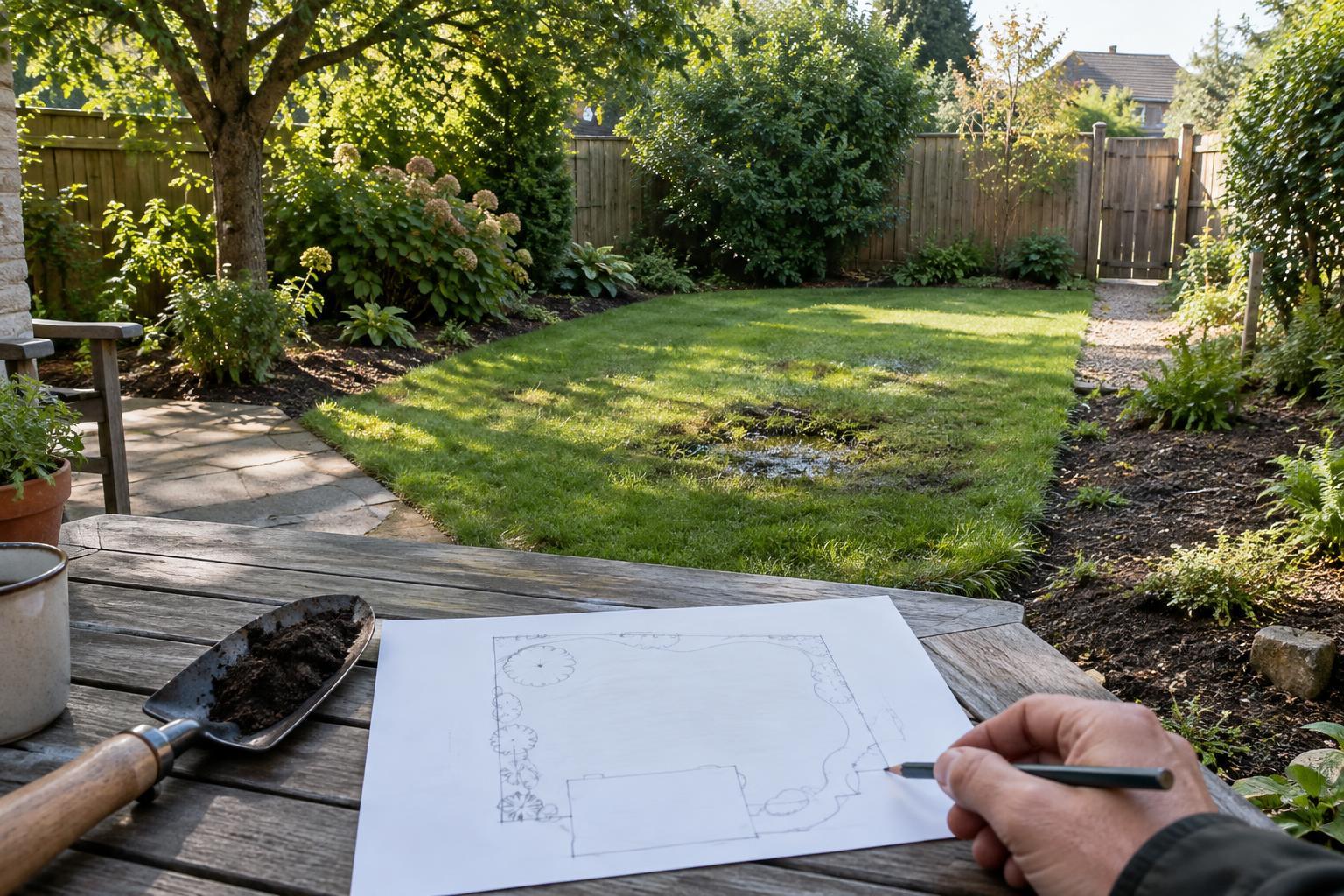
Garden PlanningA useful garden plan starts with observation, not a plant list. Learn how to record light, soil, water, access and existing features so your design responds to the space you actually have.
Read article · 4 min↗