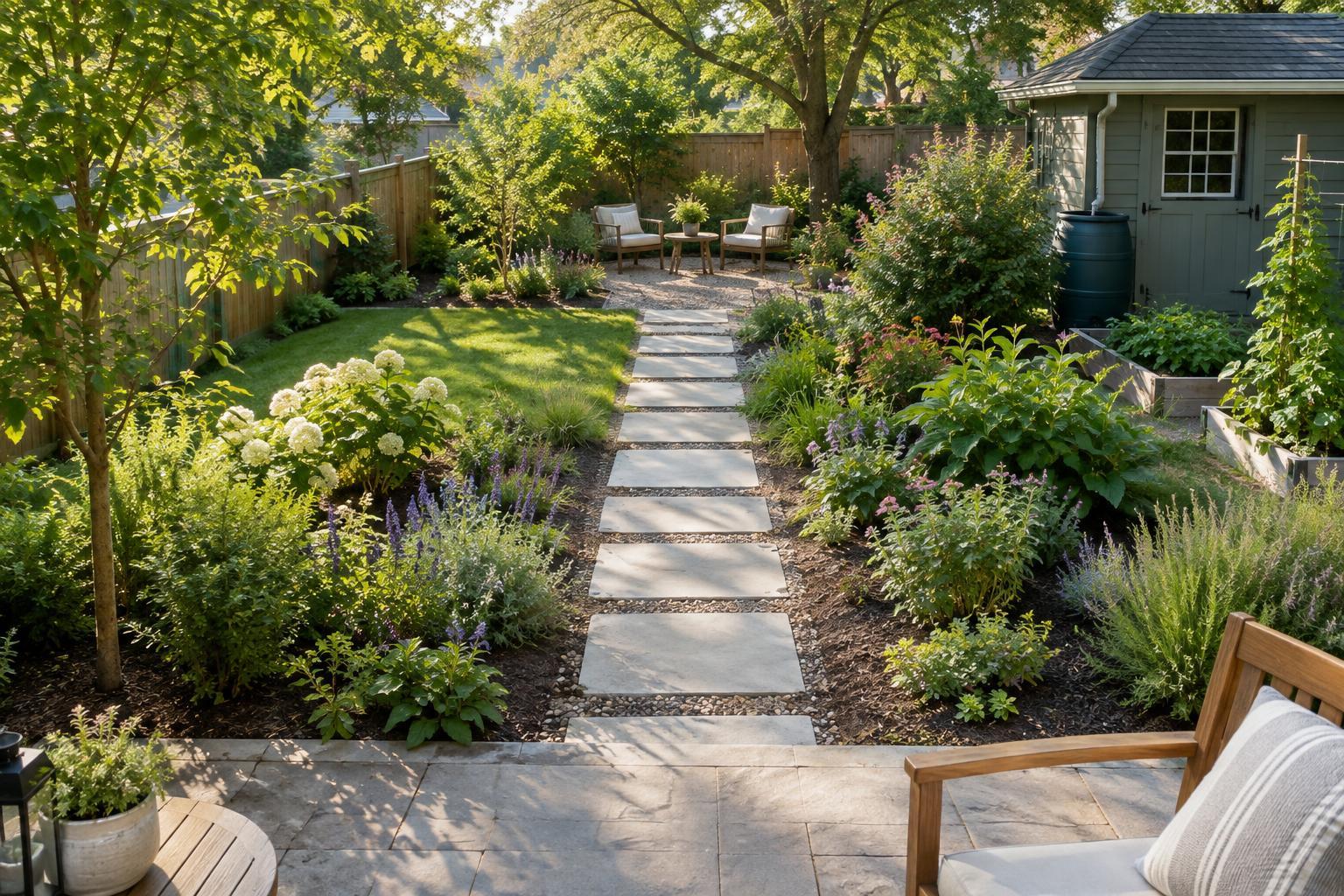
Start with a survey, not a shopping list
Before buying plants or materials, walk around your garden and note what is already working. Mark areas that get morning sun, afternoon sun or substantial shade. Look for spots where water collects after rain, soil dries quickly or wind makes it difficult to sit outside. Notice the routes people already take across the space. These observations can prevent purchases that look appealing in a store but do not suit the site.
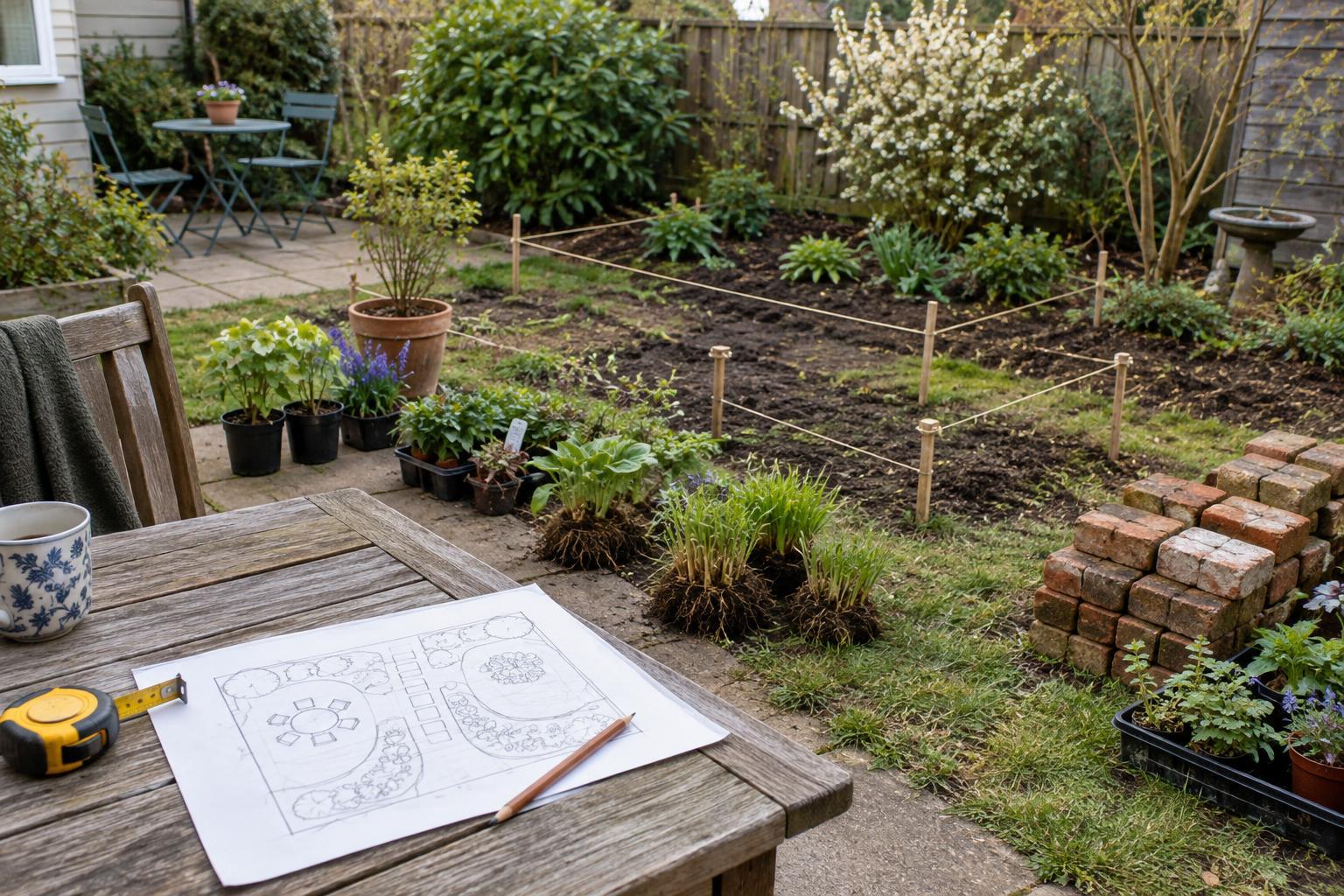
Make a simple sketch and add approximate measurements. Include doors, paths, trees, fences, taps and features you intend to keep. The drawing does not need to be polished; its job is to help you judge what will fit. If you are starting with a bare space, resist the urge to fill every corner immediately. Open ground gives you room to adjust the plan after you have lived with it for a season.
Decide what matters most
Write down the main things you want the garden to do, then put them in order. You might need a safe route to a shed, a small place to sit, room to grow herbs or a view of flowers from a window. A limited budget is easier to manage when the first purchases solve everyday problems rather than serving several vague ambitions at once.
Separate essentials from additions you can make later. A stable, usable path may matter more than a decorative border; reliable watering may matter more than a new set of pots. Keep an allowance for less visible needs such as compost, mulch, fixings and replacement tools. Prices vary by location and material, so check local costs before committing to a layout. If one feature would consume nearly the whole budget, consider a smaller version or a temporary solution.
Draw a plan that saves work and materials
Use your sketch to divide the garden into a few practical zones. Put plants with similar light and water needs together, and place things you use often within easy reach. A herb bed near the kitchen door, for example, is more likely to be used than one at the far end of the garden. Leave enough space to reach beds for weeding and harvesting without stepping on the soil.
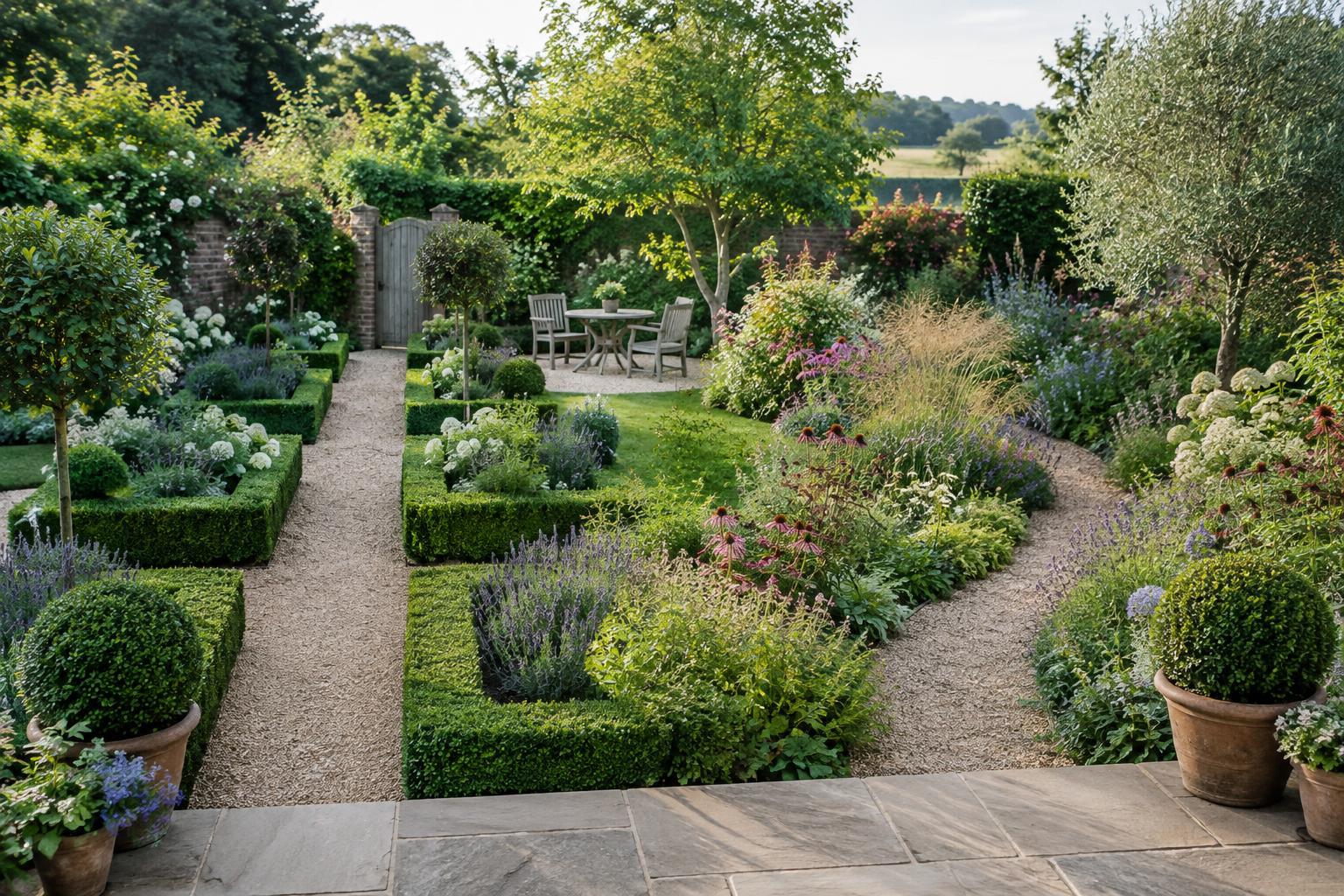
Simple shapes are often easier and less expensive to build and maintain than a collection of narrow beds and complicated curves. Keep serviceable paving, edging and containers where you can. If you want to change a hard surface, first ask whether cleaning it, repairing a small area or adding pots would achieve the effect you want. Reusing materials should not mean accepting unstable paving, sharp edges or timber that is unsuitable for its intended use.
Choose plants for the place and the budget
Plants are a better value when they can thrive in your conditions without constant replacement. Check likely mature size, light requirements and water needs before choosing them. A small plant that has room to grow can cost less than an established specimen, although it will take longer to fill the space. Leave that growing room on your plan so the garden does not become overcrowded.
For low-cost ways to add variety, consider seeds where the growing season allows, divisions from healthy plants you already own, or swaps with local gardeners. Label new plantings so you can tell them from weeds while they establish. If you are selecting plants to support wildlife, aim for a mix that flowers or provides shelter at different times, using species suited to your climate. Check whether a shared plant is likely to spread aggressively in your area before putting it in the ground.
Build in stages and review the plan
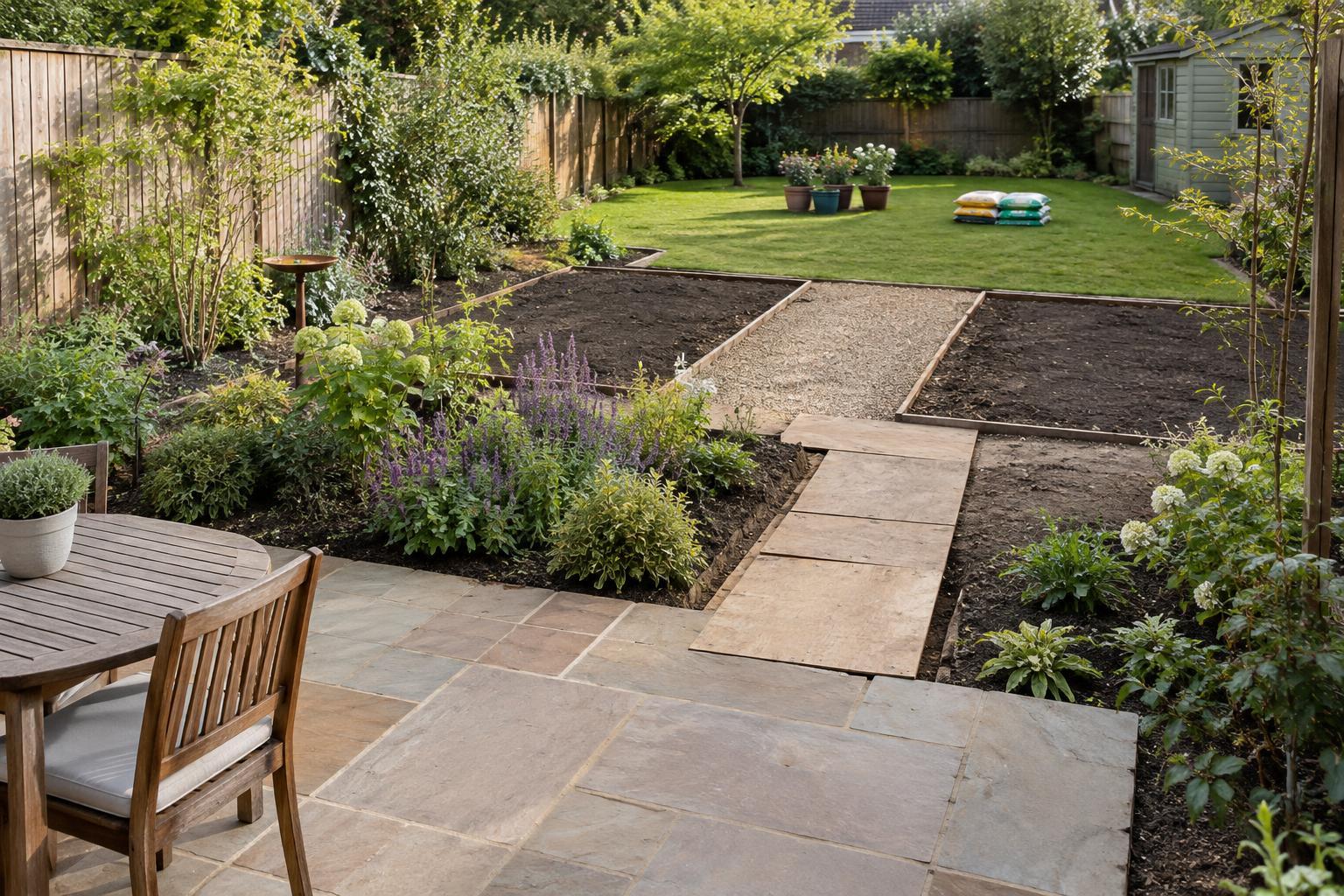
A phased plan spreads costs and gives you a chance to learn from each change. First, address access and any obvious drainage or safety issues. Next, improve the areas you will use most, then plant one bed or group of containers. Finish that area before starting another. Mulch exposed soil where appropriate and keep new plants watered while they establish; an unfinished garden still needs basic care.
Keep a short list of what you spend and what you might change. After a few months, note which spots are pleasant to use, which plants are coping and which tasks take more time than expected. You may discover that you need more seating space and fewer flower beds, or that a shady corner is better left simple. A budget garden plan is not a fixed blueprint. It is a way to make each purchase useful while allowing the space to develop at a pace you can afford.