Start with how each layout organizes space
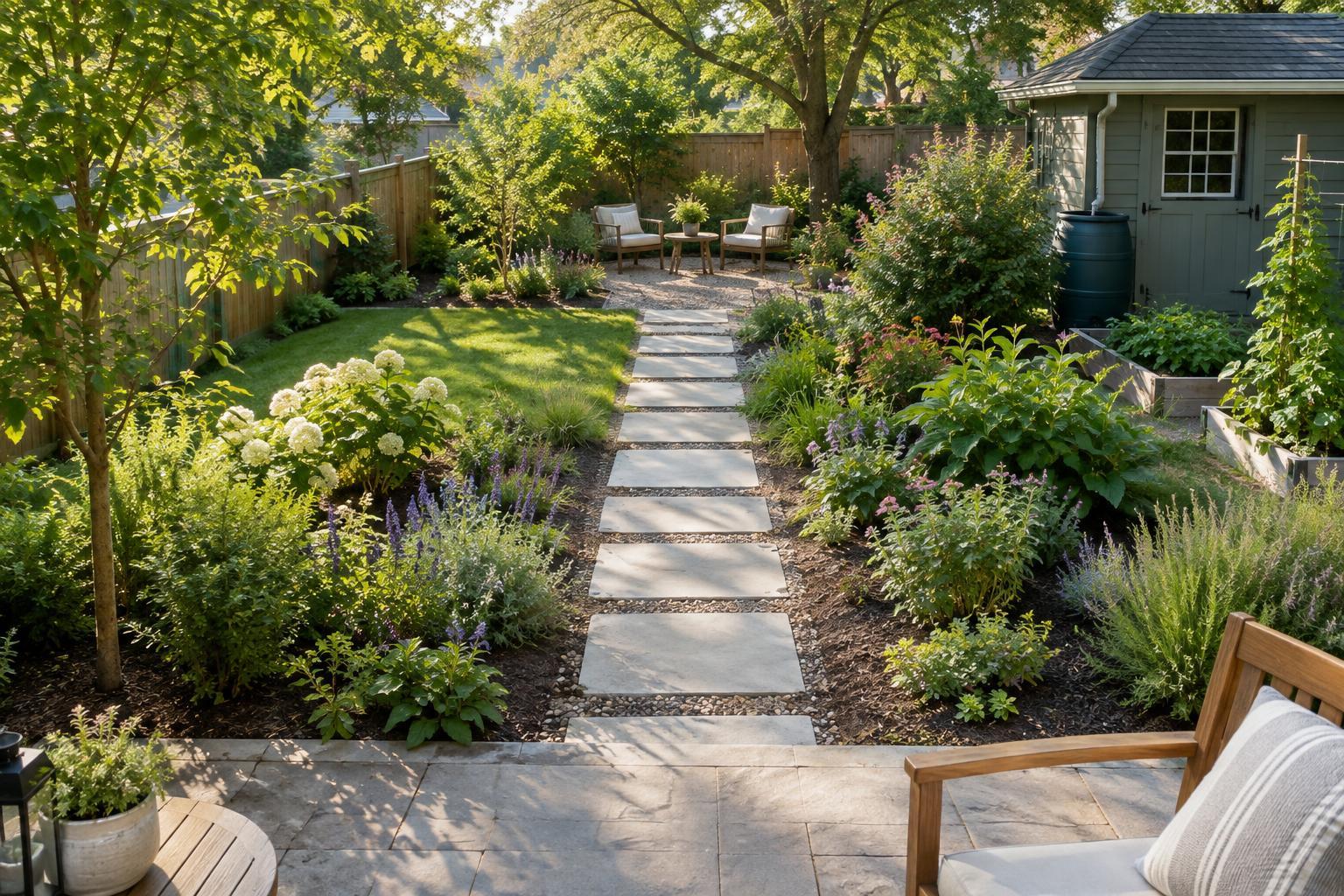
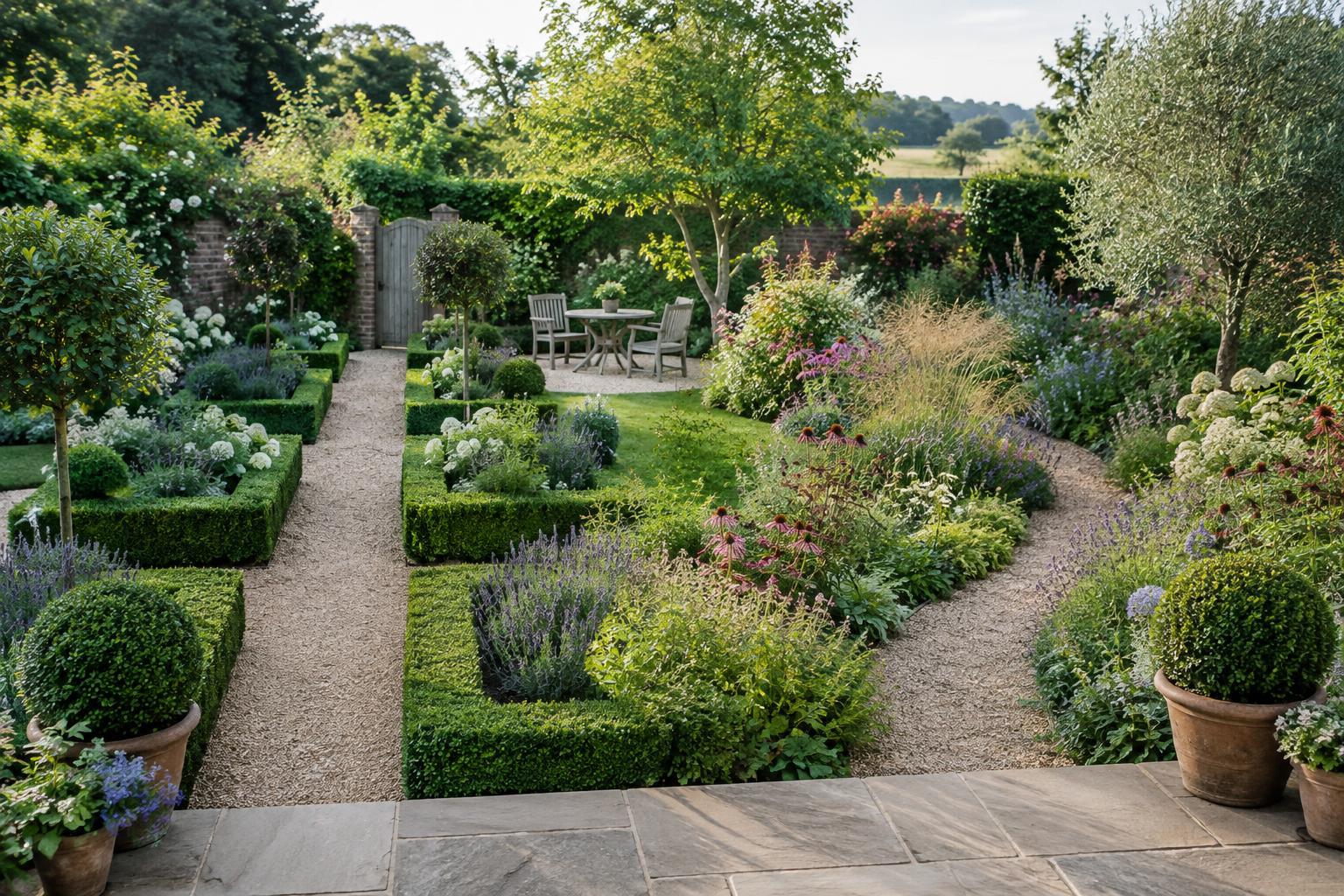
A formal garden relies on a clear framework. Straight paths, repeated shapes, aligned beds and balanced views make its structure easy to read. A path might lead directly from a back door to a seating area, with similar planting on either side. The design does not have to be grand: even a small garden can feel formal when its edges and proportions are deliberate.
An informal layout tends to use softer lines and less obvious symmetry. Paths may curve around planting, beds may vary in shape, and groups of plants can overlap rather than sit in matching rows. Informal does not mean unplanned. A successful relaxed garden still gives people a clear way through the space and enough definition to keep planting from spilling into every usable area.
Compare the experience you want outdoors
Think about what you want to see from the house and how you want to move through the garden. Formal layouts are useful when a strong view, a direct route or a tidy setting for dining matters most. Their repeated lines can make a compact space feel orderly. An informal layout can make a walk feel more exploratory, with planting partly screening a bench or revealing different views along a path.
Neither approach belongs exclusively to a particular garden size or house style. Instead, compare it with your daily habits. If you often carry trays to an outdoor table, a direct, generous route may matter more than the shape of nearby beds. If you enjoy wandering among plants, a gently changing route may be worth the extra space it takes. Keep essential access simple even if the rest of the layout feels loose.
Look at your site before drawing shapes
Start a rough plan with features you cannot easily move: doors, existing trees, slopes, drainage routes and places where you need access. Notice which areas get sun or shade during the times you use them. A strongly symmetrical plan can be awkward if one side of the garden has a large tree or a steep change in level. Rather than forcing a mirror image, you might balance the space with different elements of similar visual weight.
An informal plan can work with an irregular boundary, but curves should have a purpose. A path that bends around a tree or draws attention to a view is easier to understand than one that wiggles without reason. In either style, allow comfortable room for walking, sitting and caring for plants. Check the mature size of proposed plants so they do not soon narrow paths or overwhelm a seating area.
Be realistic about planting and upkeep
Formal gardens often depend on crisp edges and visible repetition. Hedges, clipped shapes or matching beds can look satisfying, but they may need regular trimming and replacement plants that maintain the pattern. You can reduce the workload by using simple bed shapes, durable edging and a limited number of plant types suited to your conditions. A formal layout can also use natural-looking planting within a tidy framework.
Informal beds may tolerate a plant changing shape or self-seeding in a suitable spot, yet they are not maintenance-free. Without attention, vigorous plants can crowd out neighbors and obscure the paths that give the garden its structure. Group plants according to their light, water and soil needs rather than choosing by appearance alone. In a dry or exposed climate, a layout that makes watering and access manageable may serve you better than either style in its purest form.
Test a layout, then borrow from both
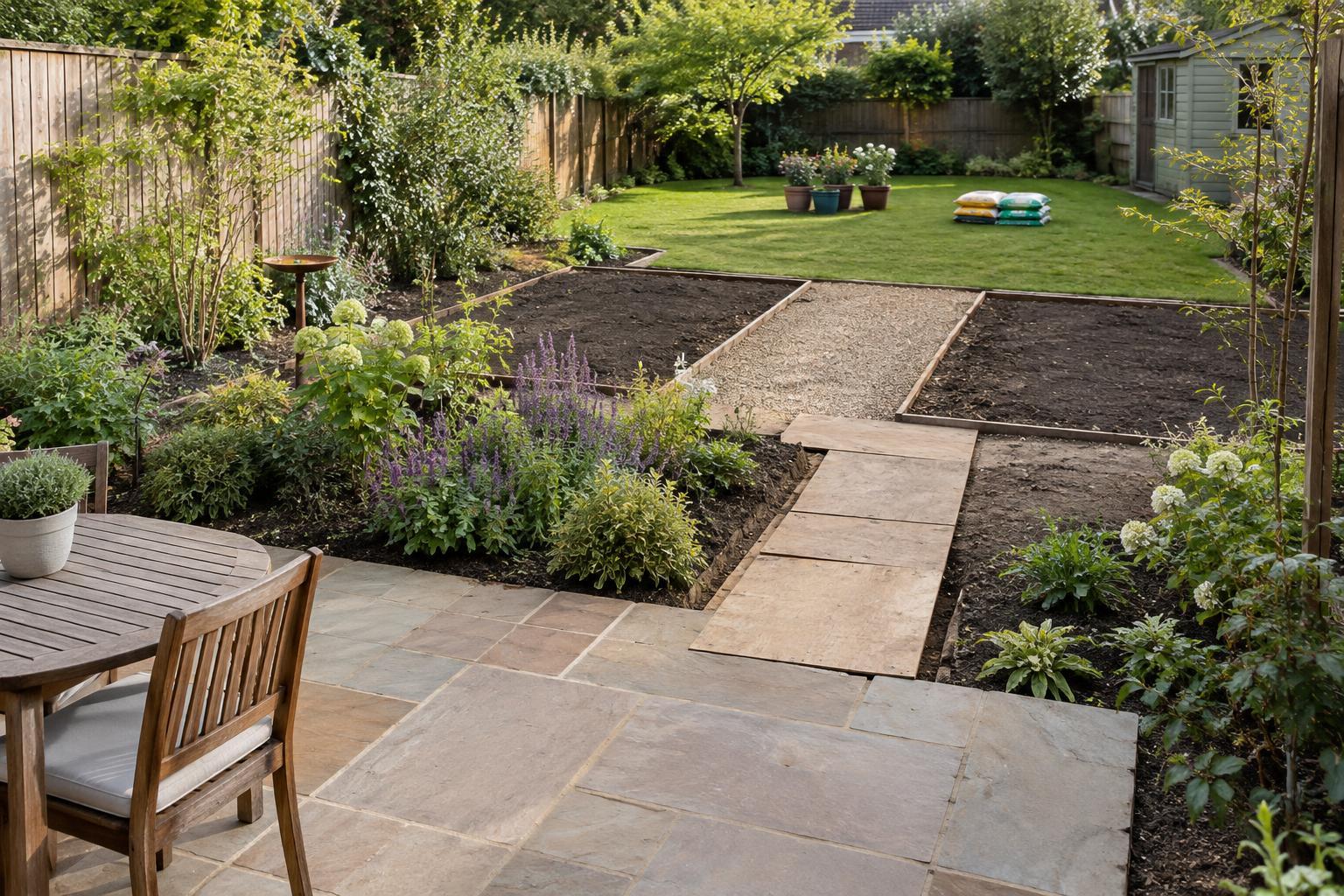
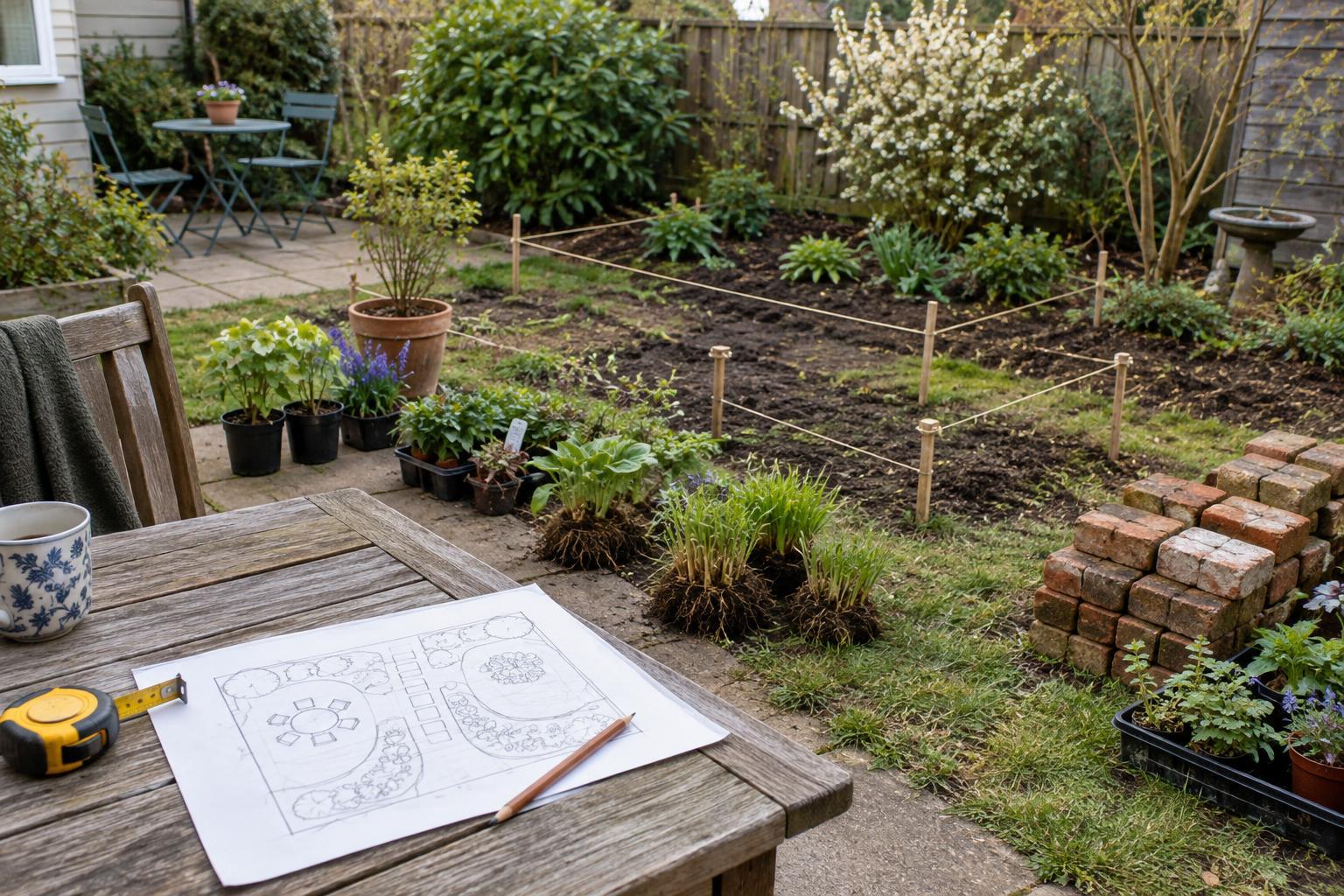
Draw two simple versions of the same garden at roughly the same scale. Put the necessary routes and activity areas in both, then try one with straight axes and repeated beds and another with looser planting and less rigid lines. Walk the site with the sketches in mind. Stakes, string or a garden hose can help you judge whether proposed paths and bed edges leave enough usable space before you make permanent changes.
You do not have to choose one label for the whole garden. A straight path and clearly edged patio can make daily use easy, while informal planting softens the boundaries. Alternatively, a relaxed route can lead to a small, symmetrical seating area. Choose the structure that supports how you live outdoors, then add the degree of order or softness you enjoy and can comfortably maintain.