Start with the view, not the boundary
A continuous tall fence or hedge may seem like the simplest route to privacy, but it can shade more of a garden than necessary. Begin by identifying where you actually want to feel less exposed. A dining table, a favorite chair and a ground-floor window may each need a different kind of screen. Stand or sit in those places and note what you can see toward nearby paths, roads or windows. Where practical, check the view from both seated and standing height.
Mark the troublesome sightlines on a simple sketch of the garden. A short screen close to a seating area may interrupt a view more effectively than a taller barrier along the property edge. Keeping the screen near the place it protects can leave growing beds and open space in better light. Think about views you want to preserve, too: privacy is most comfortable when the garden still feels connected to the sky and its surroundings.
Map the light you want to keep
Before choosing a screen, observe where direct sun reaches the garden in the morning, around midday and later in the day. Note which areas remain bright without direct sun. Repeat your observations in another season if you can, since the sun’s path changes through the year and a screen that seems harmless now may cast a longer shadow later. Nearby buildings and existing trees matter as much as anything you plan to add.
Decide which patches of light have the most value. A vegetable bed may need reliable direct sun, while a summer seating spot may benefit from some afternoon shade. A bright kitchen window may matter more to you than a sunny strip of paving. There is no universal best direction for a screen: its effect depends on the garden’s orientation, your location and when you use the space. Use your sketch to identify places where screening and shade would be welcome together.
Choose a screen for the job
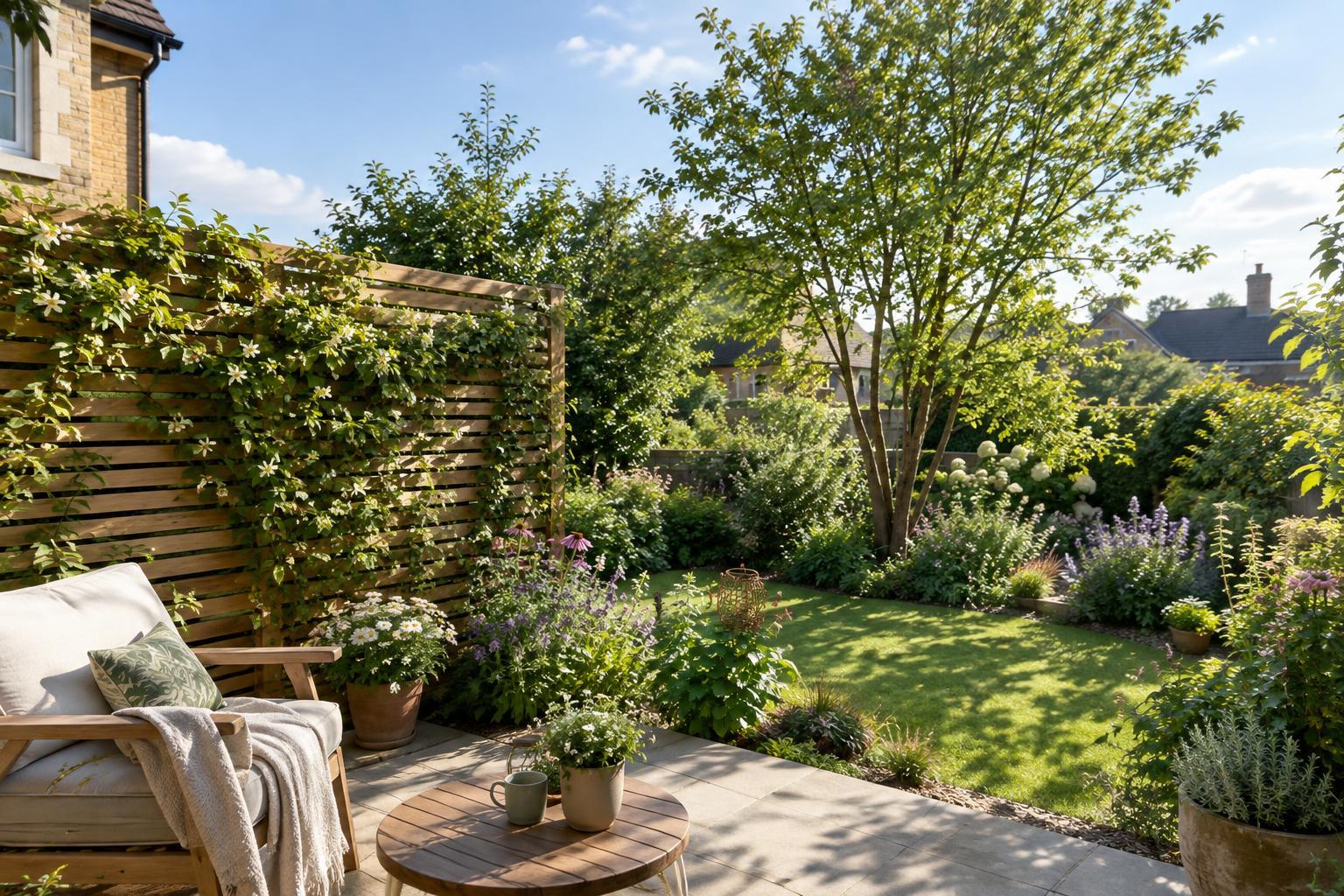
Screens differ in how much light and visibility they block. A solid panel gives stronger visual cover at a particular height, but it also casts a more defined shadow. Slatted screens, open trellis and spaced planting can soften a view while allowing more light through. They may offer less privacy when viewed straight on, so consider their angle as well as their material. If you need to hide one specific window, a narrow, well-positioned panel may do more than a long run of screening.
Plants offer other choices. A deciduous shrub can provide leafy cover during the growing season and let more light through after its leaves fall. An evergreen can give steadier year-round screening, though its mature size and density deserve careful thought. Look beyond the plant’s height on the day you buy it: allow room for its eventual width, access for pruning and airflow around nearby plants. Match choices to your climate, soil and available water rather than relying on appearance alone.
Build privacy in layers
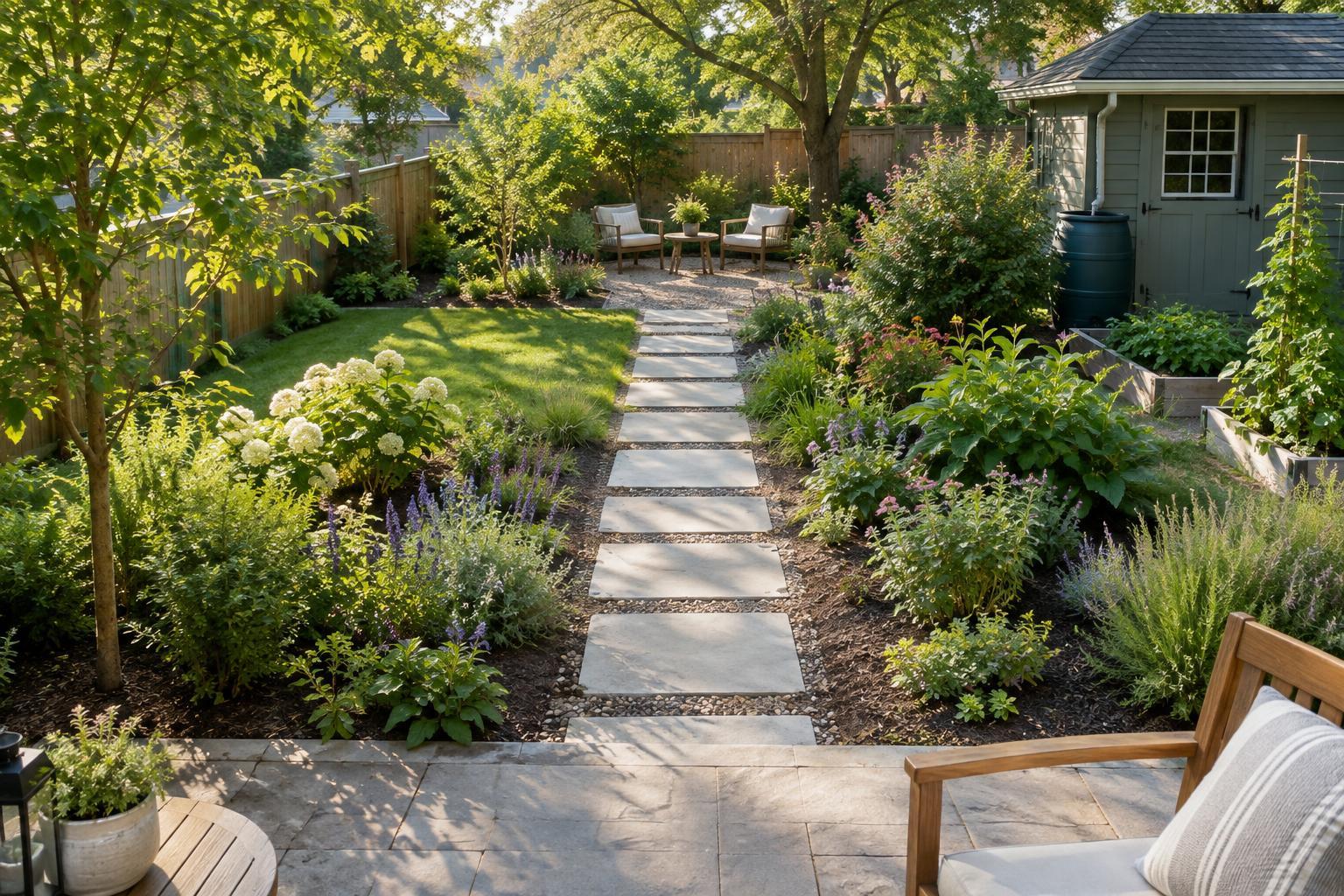
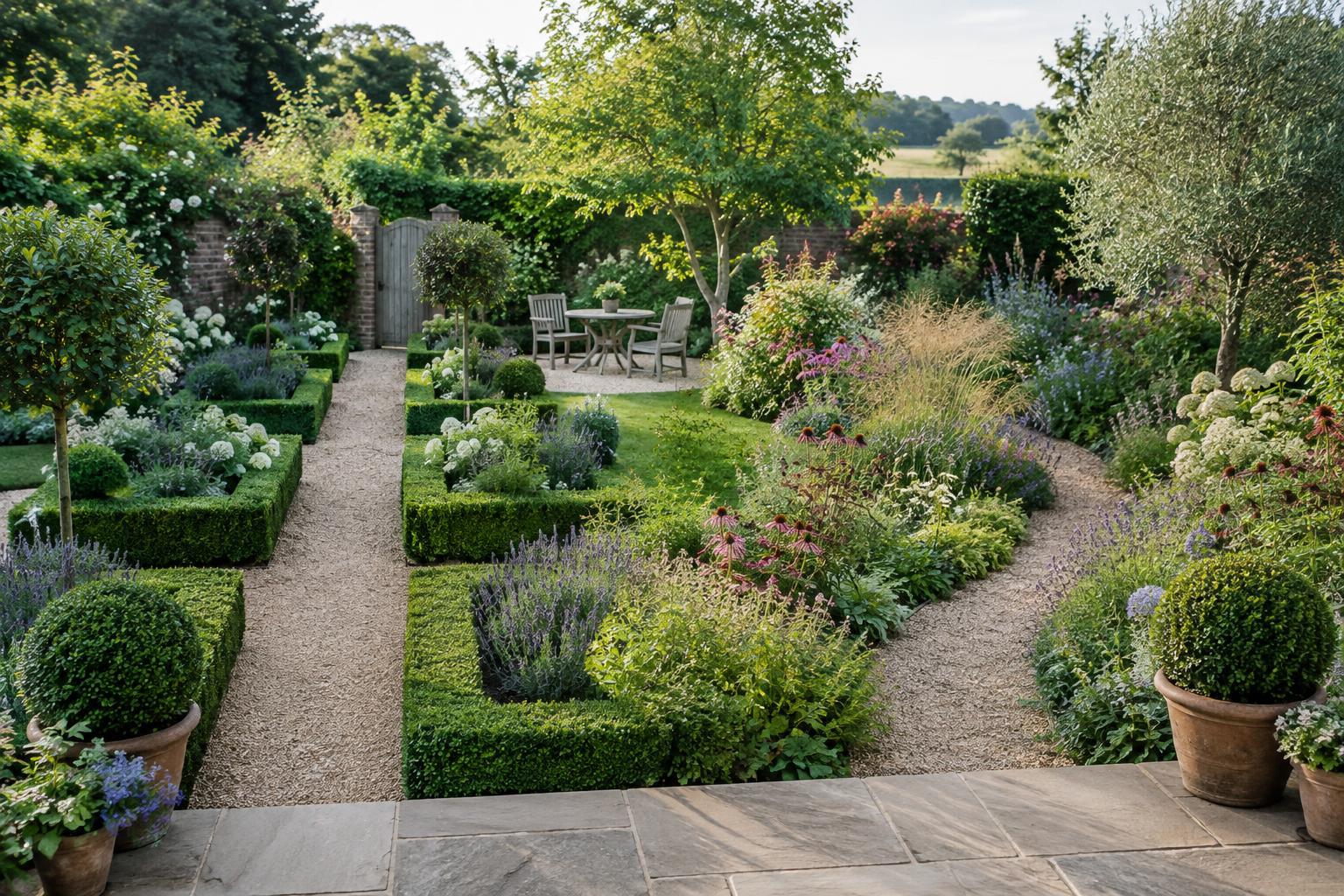
A layered layout often feels less enclosed than one imposing barrier. For example, a modest boundary treatment might be paired with a shrub near the seating area and an open climbing frame beside a path. These elements interrupt different sightlines without forming a single wall of shade. Changing the angle of a seat or moving a table a short distance can also reduce exposure before you add anything to the garden.
Use height only where it earns its place. A screen that stops at seated eye level may be sufficient around a patio, while a taller element might be needed for an upper-floor view. Bear in mind that overhead views can be difficult to block without shading the area below; a partially covered seating space may be a better fit than trying to enclose the whole garden. Leave gaps where they improve circulation, maintenance access and the sense of openness.
Test the plan before making it permanent
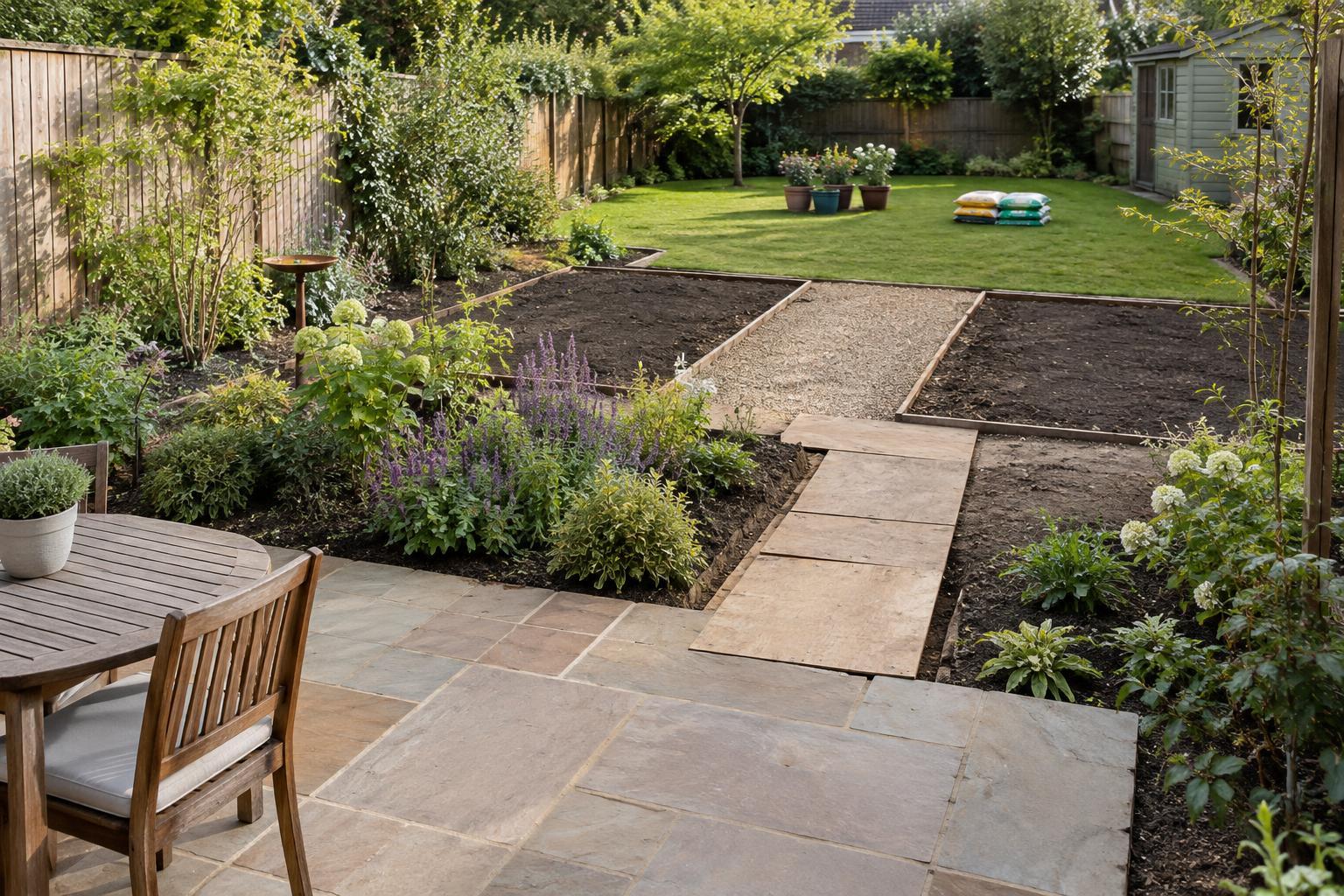
Try temporary markers before digging or installing posts. Bamboo canes, string, movable pots or a sheet held at the proposed height can help you judge whether a screen interrupts the intended view. Check it from the seat you want to protect, then walk around the garden and look back toward your home. Observe its shadow at more than one time of day. This simple test can reveal when a screen is too long, too close to a growing bed or not quite in the right place.
Plan for upkeep as well as the first season. Hedges need trimming to hold their shape, climbers need suitable support, and panels may need occasional cleaning or repair. Before installing a boundary feature, check any applicable local requirements and clarify where the boundary lies. A good privacy plan protects the places that matter most while leaving useful light, workable paths and room for the garden to grow.