Start with your local growing window
Cool-season vegetables are crops that generally grow best in mild weather. Peas, spinach, lettuce, radishes, carrots, beets and many brassicas fit this description, although each handles cold and heat differently. The aim is not to plant them all on one “cool-season” date. It is to give each crop enough growing time before spring heat arrives or before fall days become too short and cold.
Find the typical last spring frost and first fall frost dates for your area, then treat them as planning guides rather than guarantees. Your garden may warm or cool differently from nearby places because of elevation, wind, shade or buildings. Also check the seed packet or plant label: its planting directions and days to maturity are more useful for a particular variety than a broad rule for all vegetables.
Time spring planting around soil and weather
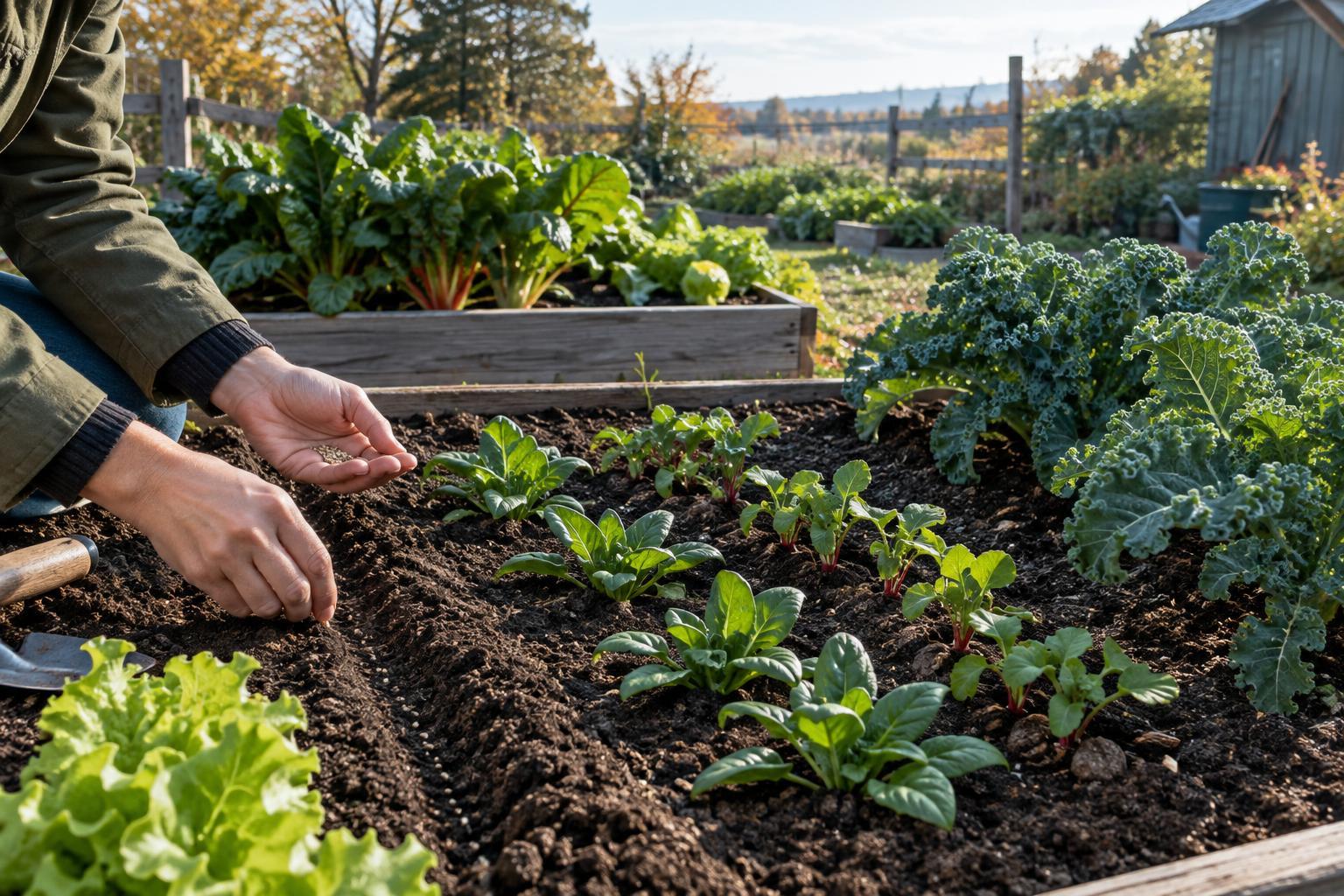
In spring, hardy crops such as peas and spinach can often be direct-sown before the last expected frost, once the soil is workable. Workable soil crumbles in your hand rather than forming a sticky ball; digging or sowing into saturated ground can leave it compacted. Radishes and some other root crops can follow as conditions improve. Lettuce and brassicas can also grow in cool weather, but the right start date depends on whether you are sowing seed outdoors or setting out young plants.
For crops that need a longer season, starting seeds indoors or buying transplants can help. Gradually introduce indoor-grown plants to outdoor sun, wind and cooler temperatures before planting them out. A forecast cold snap may still call for temporary protection, especially for tender seedlings. In areas where spring changes quickly from chilly to hot, favor varieties with shorter maturity times and sow small amounts at intervals rather than relying on one large planting.
Count backward for a fall harvest
Fall planting takes a different kind of planning. Instead of waiting for frost to pass, count backward from your typical first fall frost. Start with the variety’s days to maturity, then allow extra time because growth tends to slow as daylight decreases. The amount of extra time varies with your climate, the crop and how late you plant. If a seed packet lists a wide maturity range, use the longer end when planning a late crop.
Fall sowing often happens while the garden still feels like summer. That makes soil moisture and temperature important: seeds may struggle to germinate in hot, dry ground, and young plants can suffer in strong afternoon sun. Water the seedbed gently and consistently, and consider temporary light shade while seedlings establish. If you start brassicas or lettuce in containers, you can raise them in a more sheltered spot and move them into the garden when conditions ease.
Match crops to the season you have
Quick crops such as radishes and many salad greens are useful when your mild-weather window is short. Peas usually need more time and may perform better in a long, cool spring than in a brief fall. Carrots and beets need time to develop roots, while kale and some other greens can remain useful through cool spells once established. Frost tolerance varies by crop, variety and growth stage, so do not assume that a mature plant and a new seedling will respond the same way.
In a region with hot summers, spring planting may need to begin early, while fall planting may offer a longer stretch of comfortable growing weather. In a mild-winter climate, some cool-season crops may be grown through much of the colder part of the year. In a colder climate, the best fall strategy may be to plant early enough that crops reach a harvestable size before growth slows sharply. A cover can offer some protection, but it cannot replace the daylight a late planting missed.
Keep the plan flexible
Make a simple planting list with each crop, whether you will sow it or transplant it, its expected maturity time and a tentative planting date. Check the soil and short-term forecast before you act. Sow a small batch first if conditions are uncertain, then plant more a week or two later if the weather cooperates. This spreads the risk of an unexpected cold spell, heat wave or poor germination.
After each season, note when you planted, when you harvested and whether heat or cold cut the crop short. Those observations will help you refine next year’s dates for your own garden. Frost dates provide a starting point; the most reliable schedule comes from combining them with the needs of each vegetable and the conditions you actually see outside.