Start with the soil, not a schedule
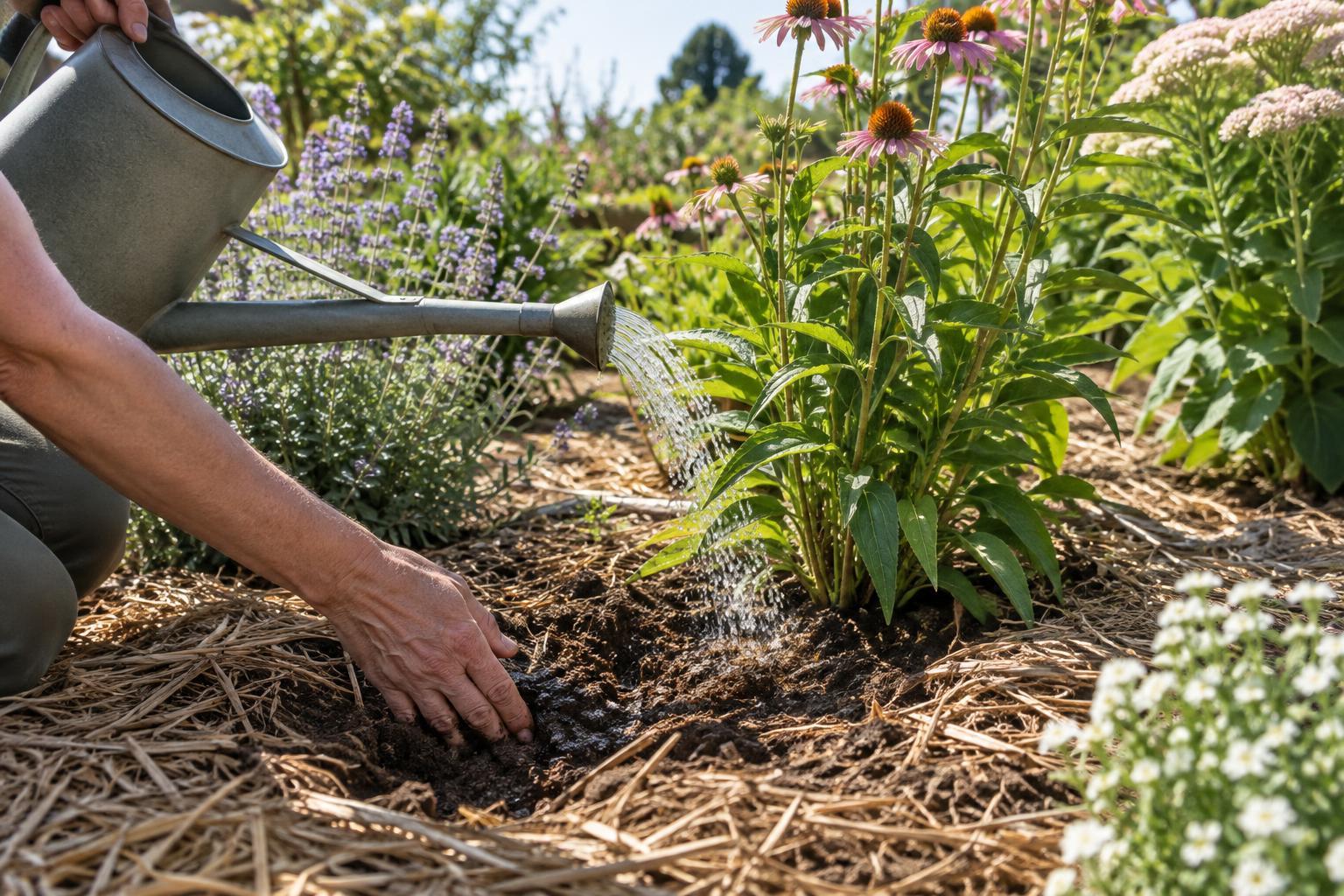
Established garden plants usually have wider root systems than recent plantings, so they may cope with a short dry spell without daily watering. Summer heat changes the picture, especially when it comes with wind, low rainfall or soil that drains quickly. Rather than adding water whenever the surface looks dry, check a few inches below it near the plant’s root area. If the soil there feels cool and slightly moist, you can often wait and check again later.
Test more than one spot if your garden has beds in sun and shade or soils with different textures. A bed beneath a tree canopy may receive less rain than an open border, while a low area may stay damp longer. Soil that is dry well below the surface is a stronger reason to water than a dusty-looking top layer alone. Pay attention to the weather, but let conditions at the roots guide your decision.
Water slowly and where roots can use it
When a plant needs water, aim for a thorough soaking of the soil around its root zone rather than a quick splash against the stem. Apply water slowly enough that it sinks in instead of running across paths or pooling at the edge of a bed. For a mature shrub, spread water over the area beneath and just beyond its branches; for a clump of perennials, cover the surrounding bed. Let the water soak in, then check the soil to see whether it reached below the surface.
A hose on a gentle setting, a soaker hose or drip irrigation can help put water where you intend it to go. If water runs off hard, dry ground, pause and return for a second pass after the first has soaked in. Watering in the morning is often convenient because it gives foliage time to dry and reduces some of the loss that can occur during the hottest part of the day. If a plant urgently needs water later, do not wait for an ideal hour.
Give different plants different attention
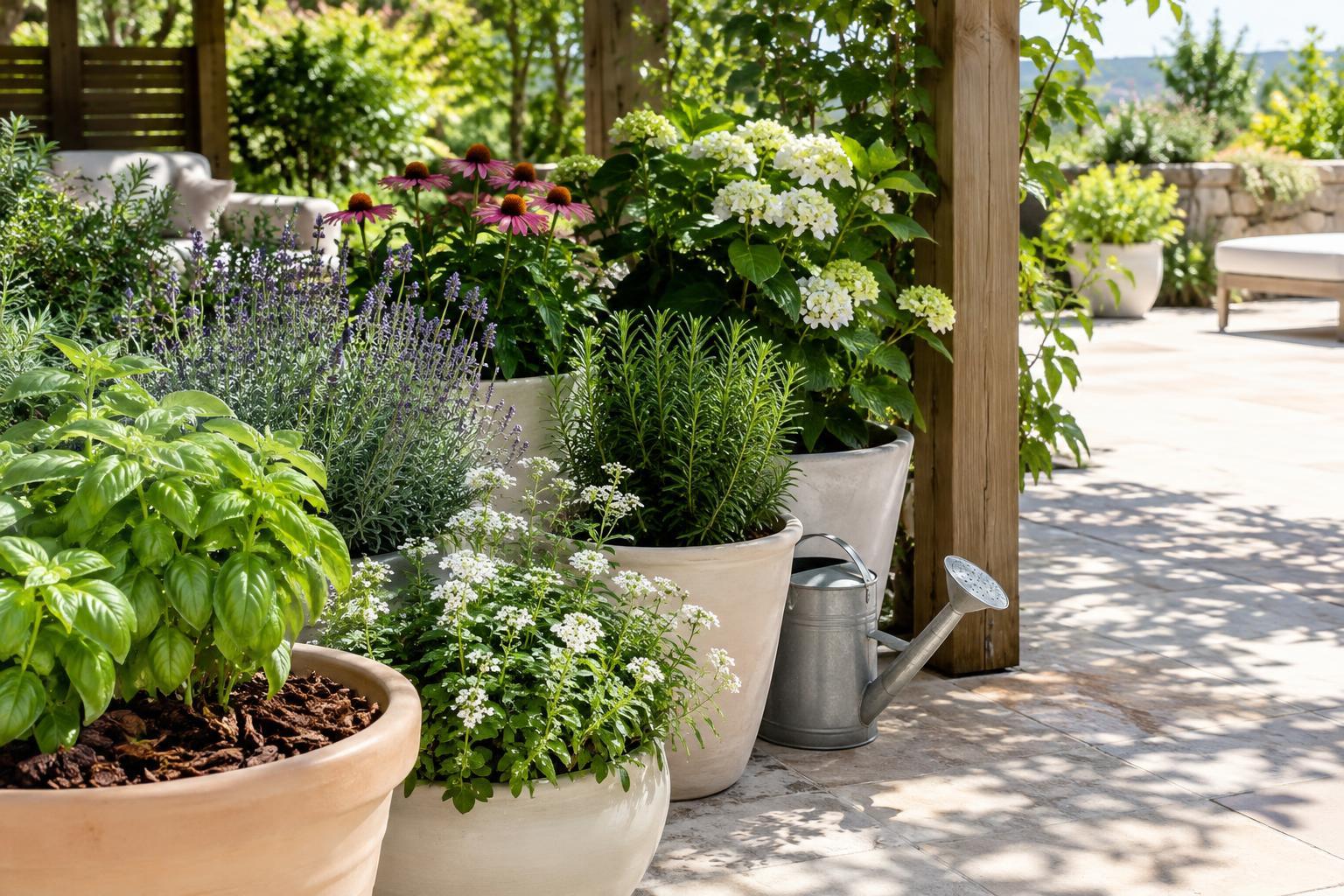
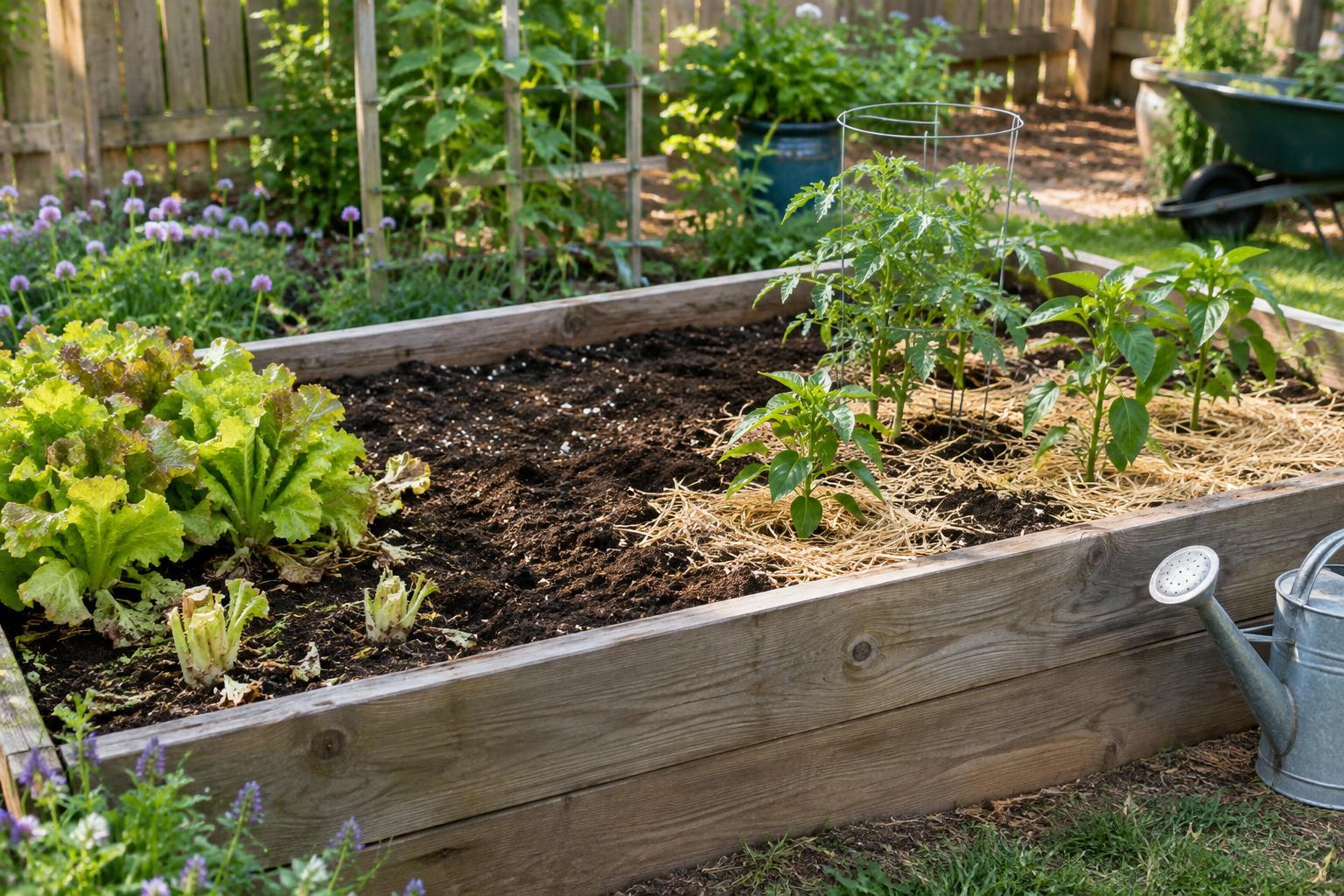
An established plant is not automatically drought-tolerant. Its needs depend on the species, the depth of its roots, its location and what it is doing that season. Large-leaved plants, vegetables producing a crop and plants near walls or paving may need closer attention than hardy plants growing in a mulched bed. Pots and raised planters dry out differently from plants in the ground; even mature plants in containers may need frequent checks during hot weather.
Look for changes that persist, not just a single sign. Some plants droop temporarily in strong afternoon sun and recover by evening even when the soil is moist. Wilting that continues into the cooler morning, leaves becoming dry or crisp, and dry soil around the roots suggest that watering may be needed. Yellowing can also result from soil staying too wet, so check before adding more. If you are unsure what a particular plant prefers, err on the side of observing both the plant and the soil over several days.
Keep the moisture you already have
Mulch can slow evaporation and help the soil stay more even in temperature. Spread an organic mulch over bare soil where appropriate, leaving a small gap around stems and trunks rather than piling material against them. Weed beds regularly, since weeds compete with garden plants for available moisture. In exposed spots, temporary shade for a vulnerable plant may reduce stress during an especially hot spell, provided the cover allows air to move and does not damage the plant.
Pause optional tasks that add stress. Heavy pruning, dividing perennials or moving established plants in peak heat can make it harder for them to recover. If you use irrigation, check for blocked outlets, leaks and overspray onto paving. A system set for cooler weather may need adjusting, but increasing its run time without checking the soil can waste water or leave some areas too wet.
Reassess as the heat changes
During a prolonged hot spell, check the driest parts of the garden more often and prioritize plants that show genuine stress. A soaking rain may allow you to skip a planned watering, though it is worth checking beneath dense foliage or mulch to see how far the moisture reached. As temperatures ease, return to checking the soil before watering rather than keeping a heat-wave routine in place.
The goal is not to keep every bed constantly damp. It is to provide enough water to reach active roots, then allow conditions to guide the next watering. This flexible approach suits the differences between climates, soils and plants, and helps you focus your effort where it will do the most good. Follow any local watering restrictions when planning your routine.