Two kinds of plants, two different jobs
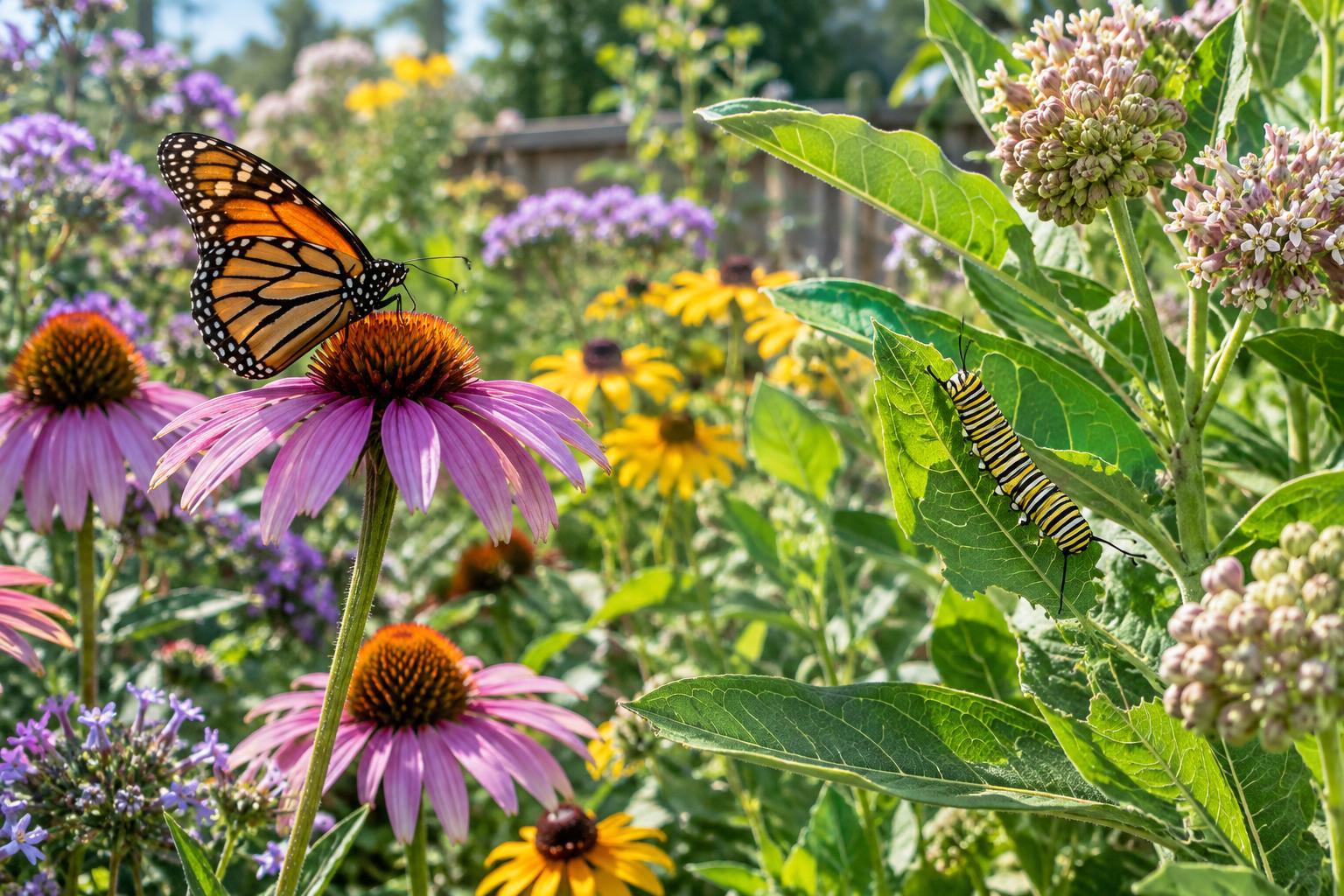
A butterfly visiting a flower is easy to notice. Its caterpillars may be much harder to spot, yet they are the reason a butterfly needs more than a border full of blooms. Many adult butterflies drink nectar for energy. After mating, females seek suitable plants on which to lay eggs. The caterpillars that hatch feed on those plants, often on their leaves.
Plants that provide nectar are called nectar plants. Plants that caterpillars can eat are called host plants. Some plants can do both jobs, but a flower that attracts an adult is not necessarily suitable food for its young. A garden with nectar alone may offer butterflies a stopping place without giving them a place to reproduce.
What makes a useful nectar plant?
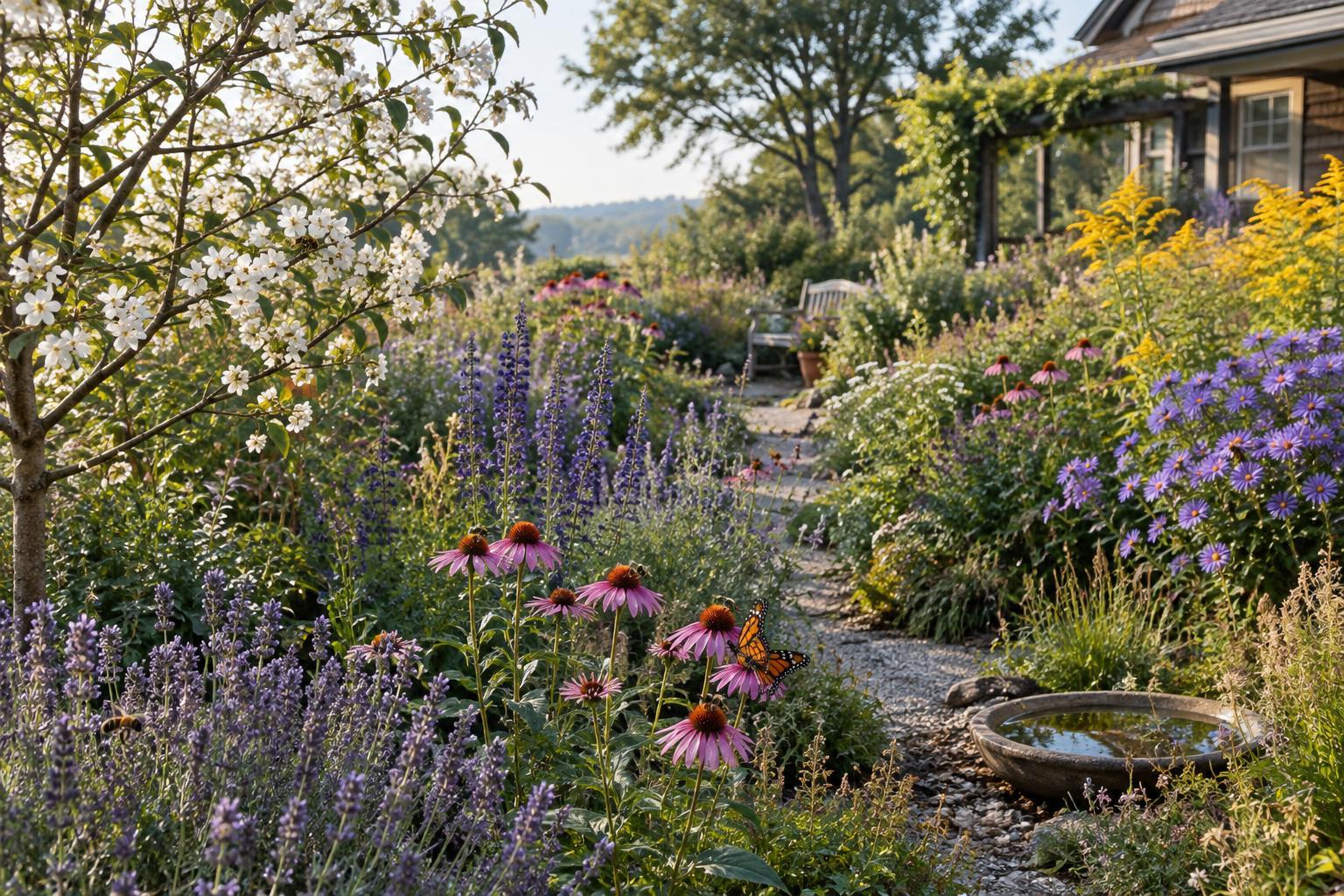
Choose flowers that suit your growing conditions first. A healthy plant that blooms reliably in your soil, light and climate is more useful than one that struggles through the season. Aim for a mix of flowering periods so there are blooms available at different times, rather than a single burst followed by weeks with little nectar.
Flower shape matters, too. Butterflies can feed from many types of flowers, but an assortment of open and clustered blooms gives visiting insects more options. Planting several of one kind together can make flowers easier for butterflies to find than scattering individual plants across the garden. Herbs allowed to flower, suitable native wildflowers and familiar garden perennials can all play a part, depending on where you live.
Nectar planting is not a promise that a particular butterfly will visit. Local species, nearby habitat and weather all affect what you may see. Treat a planting plan as an invitation, then observe which flowers visitors actually use.
Host plants are for caterpillars
Caterpillars cannot usually switch freely between garden plants. Many butterfly species use a limited group of hosts, while some depend on a much narrower choice. Monarch caterpillars, for example, feed on milkweeds. Some swallowtail species use plants in the carrot family, including parsley, dill or fennel. The right match depends on the butterfly species in your area.
Before buying plants, find out which butterflies occur locally and which hosts their caterpillars use. A regionally appropriate native plant can be especially useful when it supports a butterfly already found nearby. Check that any plant you choose is suitable for your climate and garden, and avoid planting a species that is invasive where you live.
Expect host plants to look eaten. Holes in leaves or stripped stems may mean the plant is doing exactly what you planted it to do. Put hosts where some chewing will not bother you, grow more than one if space allows, and resist moving caterpillars unless you are sure the new plant is an appropriate host.
Build a garden that supports the whole life cycle
Start small if you have limited space. A sunny container of nectar flowers beside a suitable host plant can be more purposeful than a large assortment of flowers chosen only for color. In a larger bed, group nectar plants where you can enjoy the visitors and place hosts among other foliage or toward the back. Leave enough room for plants to reach a healthy size.
Think beyond flowers and leaves. Many butterflies benefit from sheltered places away from strong wind, and caterpillars or pupae may spend time in less tidy parts of a garden. Where it is safe and practical, leave some stems and leaf litter in place rather than clearing every bed at once. Follow any local guidance on plant debris, fire safety or pests.
Avoid using insecticides on or near plants intended for butterflies, including products applied to control caterpillars. If you purchase plants, ask whether they have been treated with pesticides and follow the supplier’s information. Supporting butterflies means accepting that some insects will eat the plants.
Let local observations guide the next planting
You do not need to create a complete butterfly garden in one season. Begin with a few dependable nectar plants and one or two host plants matched to butterflies in your area. Watch when flowers bloom, which visitors use them and whether you find eggs or caterpillars on the hosts. Those observations can guide what you add or change later.
The goal is not a spotless display or a guaranteed count of butterflies. It is a space that offers food at more than one life stage. Nectar helps many adults on their way; host plants give the next generation a chance to grow.