Why a shallow water source helps
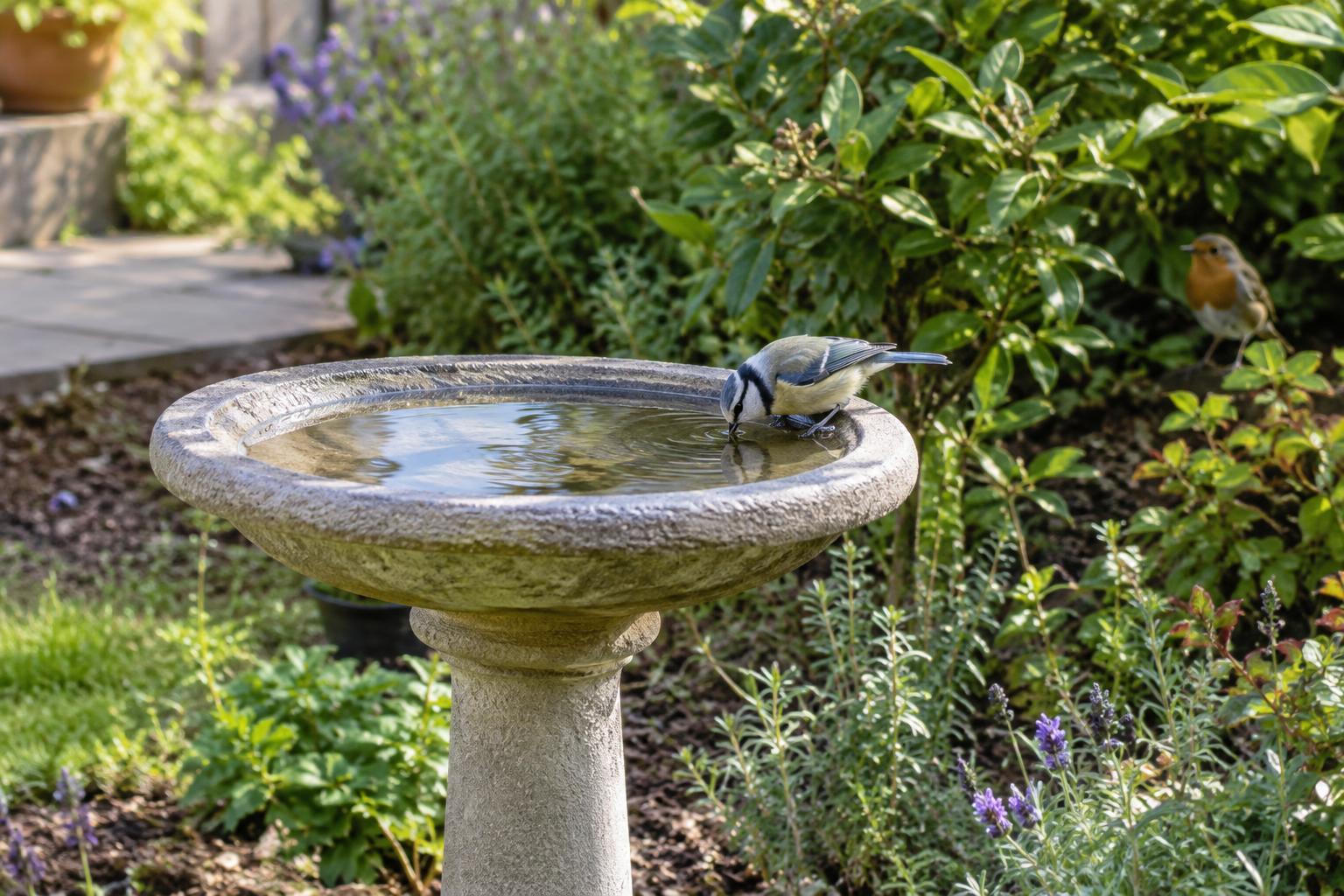
Flowers are an important reason insects visit a garden, but water matters too. Bees and other small visitors may drink from damp soil, puddle edges or drops left on leaves. These sources can disappear quickly in dry weather. A small, reliable watering spot gives insects another place to drink, especially in a garden where paved areas leave few naturally damp patches.
The goal is not to make a miniature pond. Open, steep-sided containers can be difficult for small insects to leave if they slip in. A useful insect water station offers a thin layer of water alongside plenty of dry or nearly dry places to stand. It should also be easy for you to empty and clean.
Build a place to land and drink
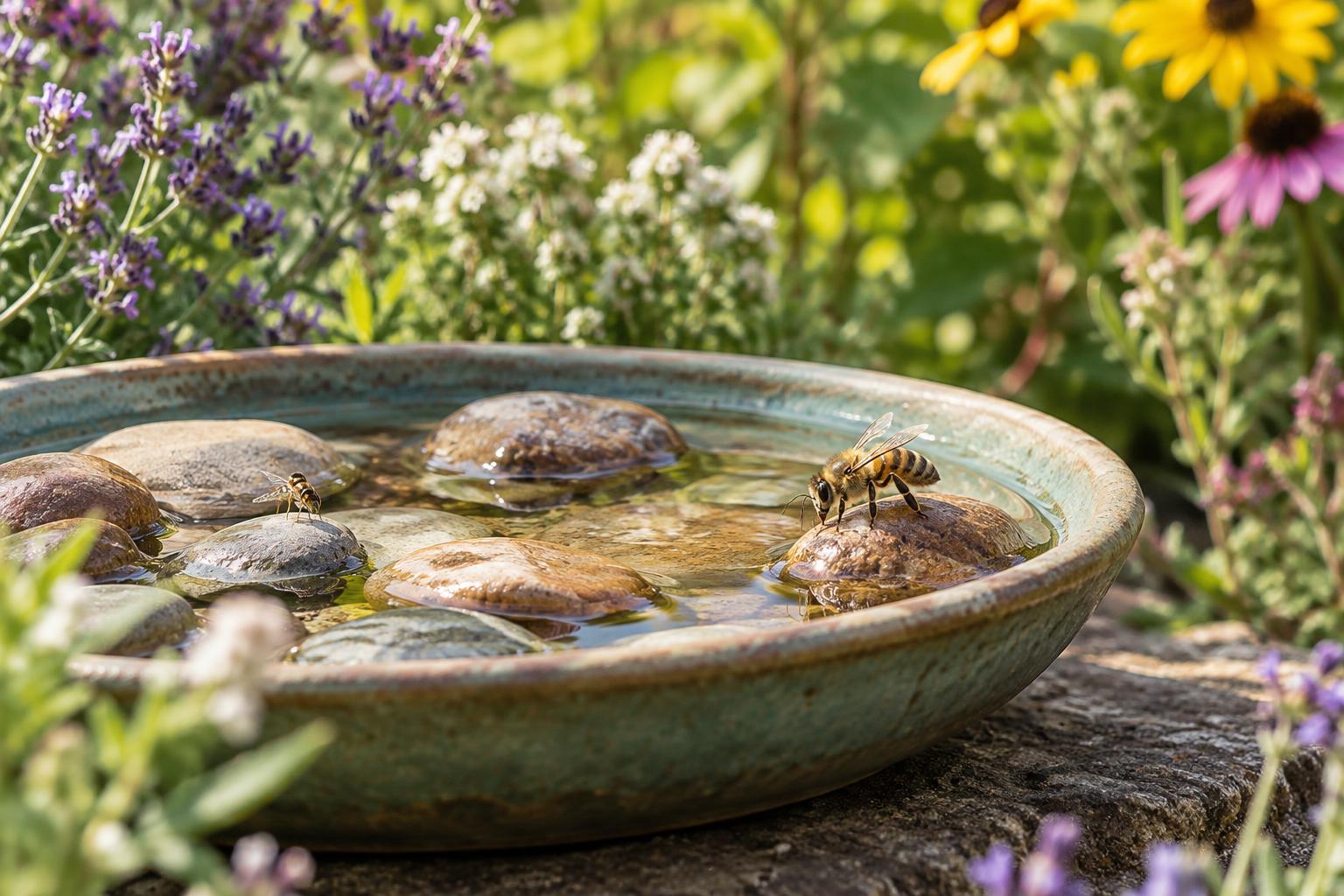
Start with a shallow saucer, plant-pot tray or low dish that sits firmly on a level surface. Add clean pebbles or small stones, spacing them so water can collect between them. Flat stones can provide especially useful footholds. Pour in just enough plain water to reach partway up the stones, leaving their tops exposed. Insects can then approach the water from a stable surface rather than landing directly on it.
A gently sloping dish or a few stones that extend from the bottom to the rim can offer additional ways out. Check that the stones do not wobble when you add water. If you use a tray with a smooth rim, place it where it cannot be knocked over easily. There is no need to add sugar, honey, scent or coloring: plain water is the simplest choice for a drinking station.
Choose a practical garden location
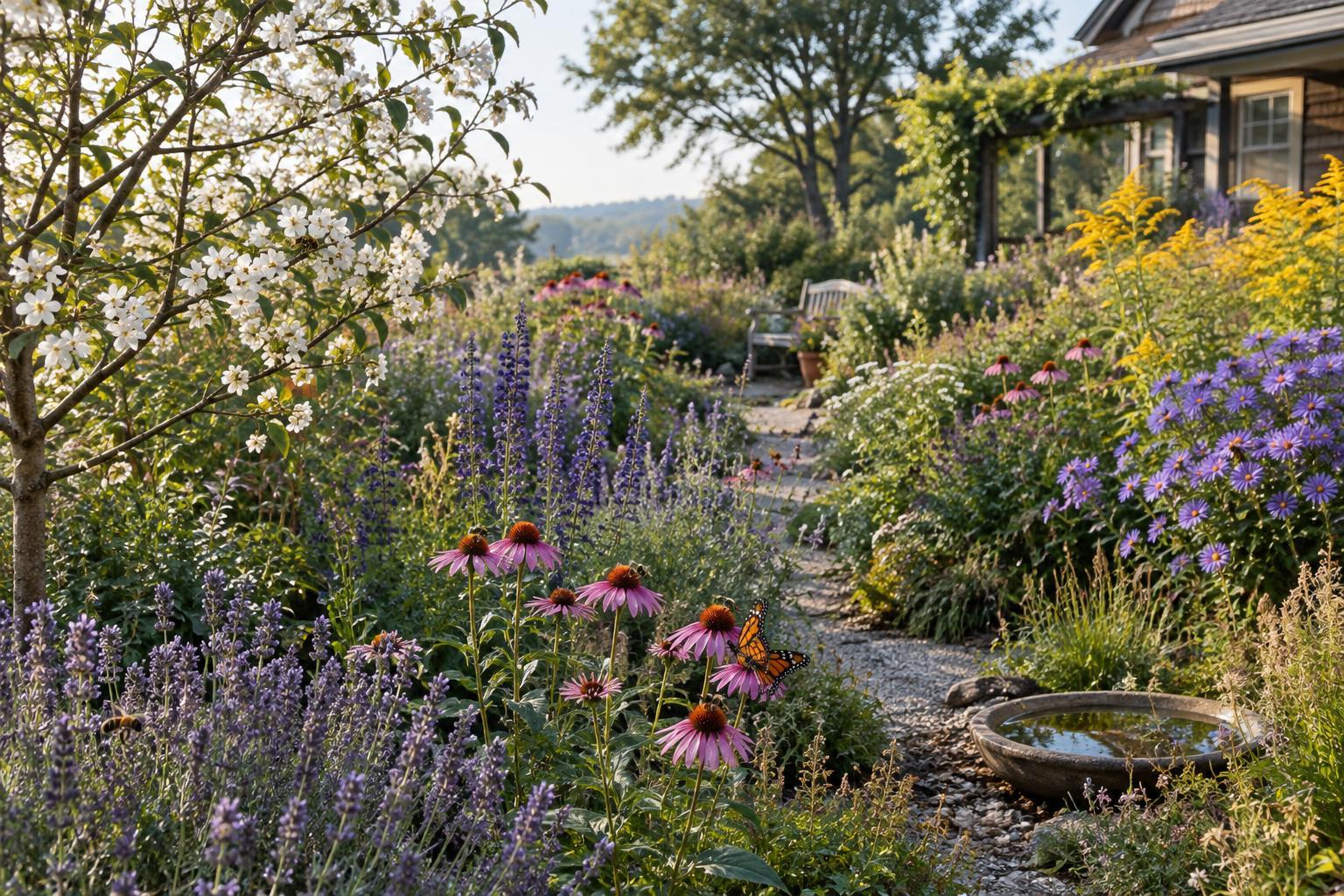
Put the dish near plants that insects already visit, but leave enough space around it to see and reach it easily. A stable shelf, low wall or patch of level ground can work. Keeping it away from busy paths reduces the chance of spills, while a position sheltered from strong wind helps the water last longer.
Light conditions affect upkeep. A spot with some morning sun may be convenient, but a dish in full afternoon sun can dry out quickly in hot weather. Partial shade may reduce evaporation, though you will still need to check the water. If you have pets or young children, choose a location that suits how they use the space. Avoid placing the dish where garden sprays or runoff from treated areas could reach it.
Keep the water fresh and the dish safe
A watering spot works best as a small routine rather than a fill-and-forget project. Check it regularly, particularly during hot or windy spells. Top it up when the water is low, and empty and replace water that contains debris or looks cloudy. Rinse the dish and stones, and scrub away any slippery buildup before refilling. Avoid leaving water standing long enough for mosquito larvae to develop; frequent emptying and cleaning is especially useful where mosquitoes are a concern.
After heavy rain, make sure the stones have not become completely submerged. If the dish is deeper than intended, pour some water out. In colder weather, you may need to remove ice and refill when conditions allow, or put the dish away until it is practical to maintain. A clean, shallow station is more useful than a larger container you cannot check often.
Make water part of a welcoming space
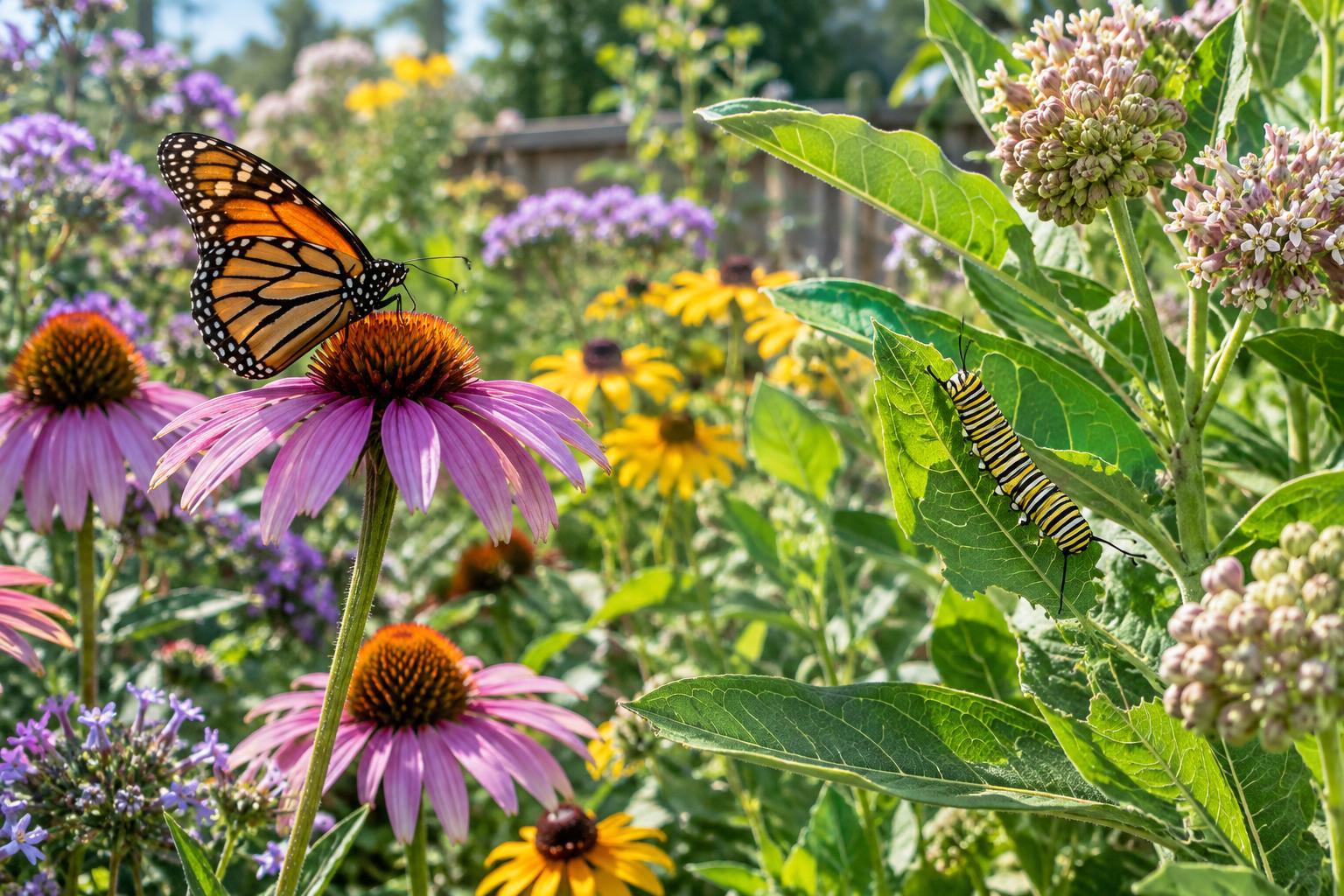
The water station is one small part of a wildlife-friendly garden. Plants that flower at different times can offer visiting insects places to forage, while varied planting and less-tidy corners may provide shelter. Where space allows, a damp patch of bare soil can offer another drinking surface; keep it away from areas likely to be contaminated by sprays or runoff.
Observe the station for a few minutes at different times rather than worrying if visitors do not appear immediately. Insects may already be finding water elsewhere, and activity can vary with the weather and what is flowering nearby. What you can control is the setup: keep the water shallow, the footholds exposed and the dish clean. Those simple habits make the station easy for you to maintain and easier for small visitors to use.