Start with the flowering season where you live
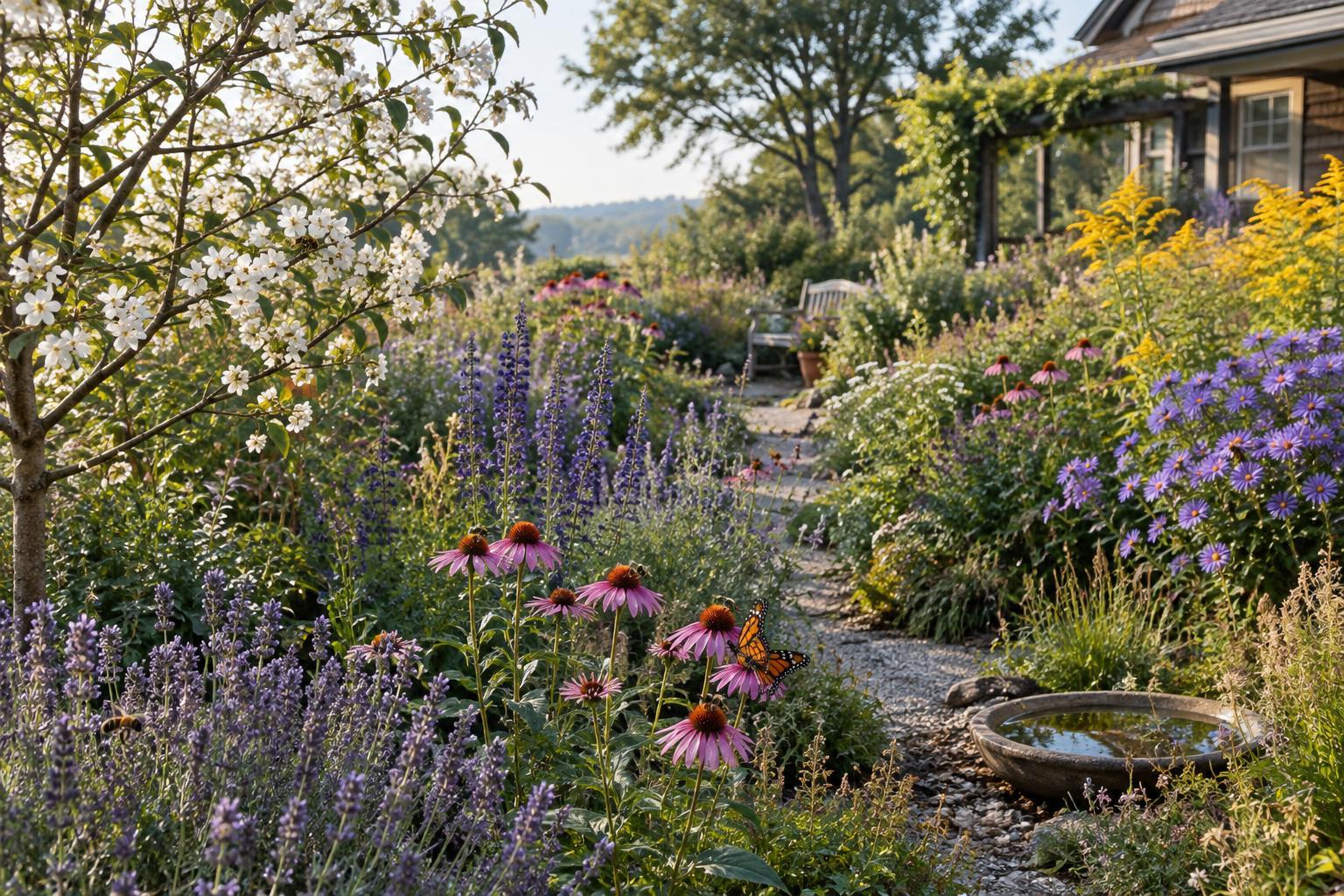
A succession of blooms means arranging plants so that one group begins flowering as another fades. The goal is not to have every plant in flower all the time. It is to avoid long gaps when a garden offers little nectar or pollen. Spring, summer and fall are useful planning blocks, but their timing depends on your climate. In a mild area, flowers may be available through much of winter; in a cold one, the useful season may begin well after the calendar says spring.
Before buying plants, sketch a simple calendar for your yard. Mark when existing trees, shrubs, perennials and annuals usually bloom, even if your dates are approximate. Include flowering plants just beyond your property if they are part of the surrounding landscape, but plan for your own space to contribute something in each part of the growing season. Revisit the calendar over a year: weather can shift bloom times, and a plant label offers only a starting estimate.
Fill gaps with a mix of plant types
Look first for stretches of several weeks with few flowers, then choose plants that fit those openings. Flowering trees and shrubs can provide a substantial early display without taking up much ground-level planting space. Perennials can carry the garden through summer and into fall. Annuals can help fill a temporary gap while slower-growing plants establish. In small spaces, containers offer another way to add a timely patch of blooms.
Choose plants suited to your light, soil, available water and local growing conditions. Plants native to your region are worth considering because they may support local insects in ways that garden varieties do not, though a plant still has to suit the particular site. Avoid relying on a single species for an entire season: if it flowers briefly or performs poorly one year, the gap returns. For each part of the season, aim for more than one flowering choice, with bloom periods that overlap.
Offer different flowers, not just more flowers
Pollinators do not all use flowers in the same way. A mix of flower shapes and sizes gives different visitors opportunities to feed. Open, easy-to-reach flowers can be useful alongside deeper or tubular blooms. When selecting cultivated varieties, look for flowers with accessible centers rather than assuming that a heavily doubled bloom offers the same resources as a simpler form.
Planting several of the same kind together can make a small garden easier for visitors to find and use than scattering single specimens throughout it. This does not require formal blocks: a loose group along a path or a repeated cluster in a border works too. If space is limited, prioritize a few well-chosen groups that extend the bloom calendar over a long list of isolated plants.
Plan for transitions and changing weather
The handoff between seasons deserves particular attention. Early flowers can matter when little else is open, while late flowers can extend the period of forage before cold weather in many climates. Check the expected bloom windows of your choices and build in some overlap. A plant described as “late summer” may not reliably bridge the gap to a fall-flowering plant in every yard.
Staggering some annual sowings or using plants that rebloom after trimming may lengthen the display, but results vary by species and climate. During dry spells, appropriate watering can help plants continue flowering; a mulch suited to the bed can help moderate soil moisture. Keep notes on what actually blooms together. If midsummer turns out to be bare, you will know where to add a plant next season instead of redesigning the whole garden.
Make the rest of the garden welcoming
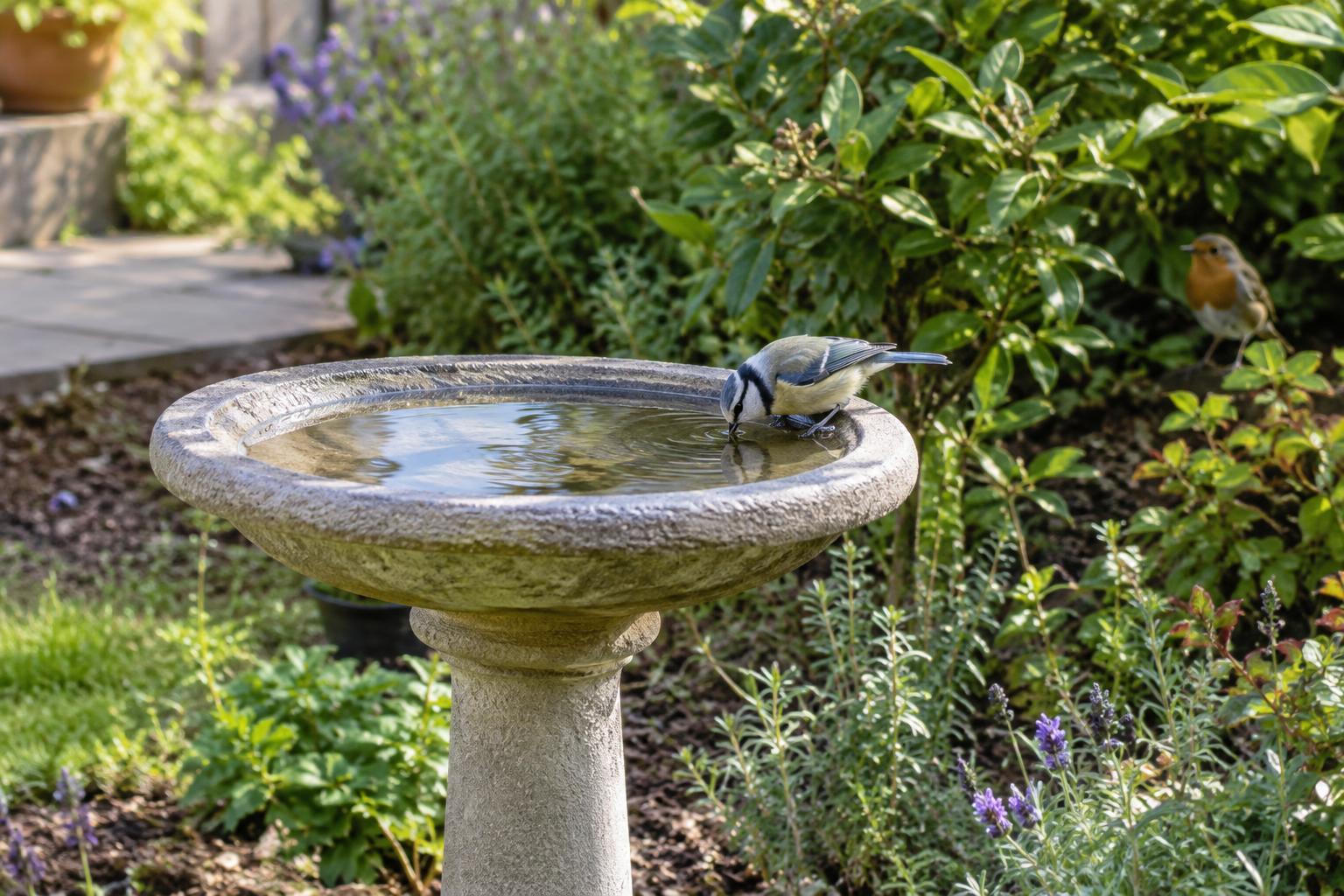
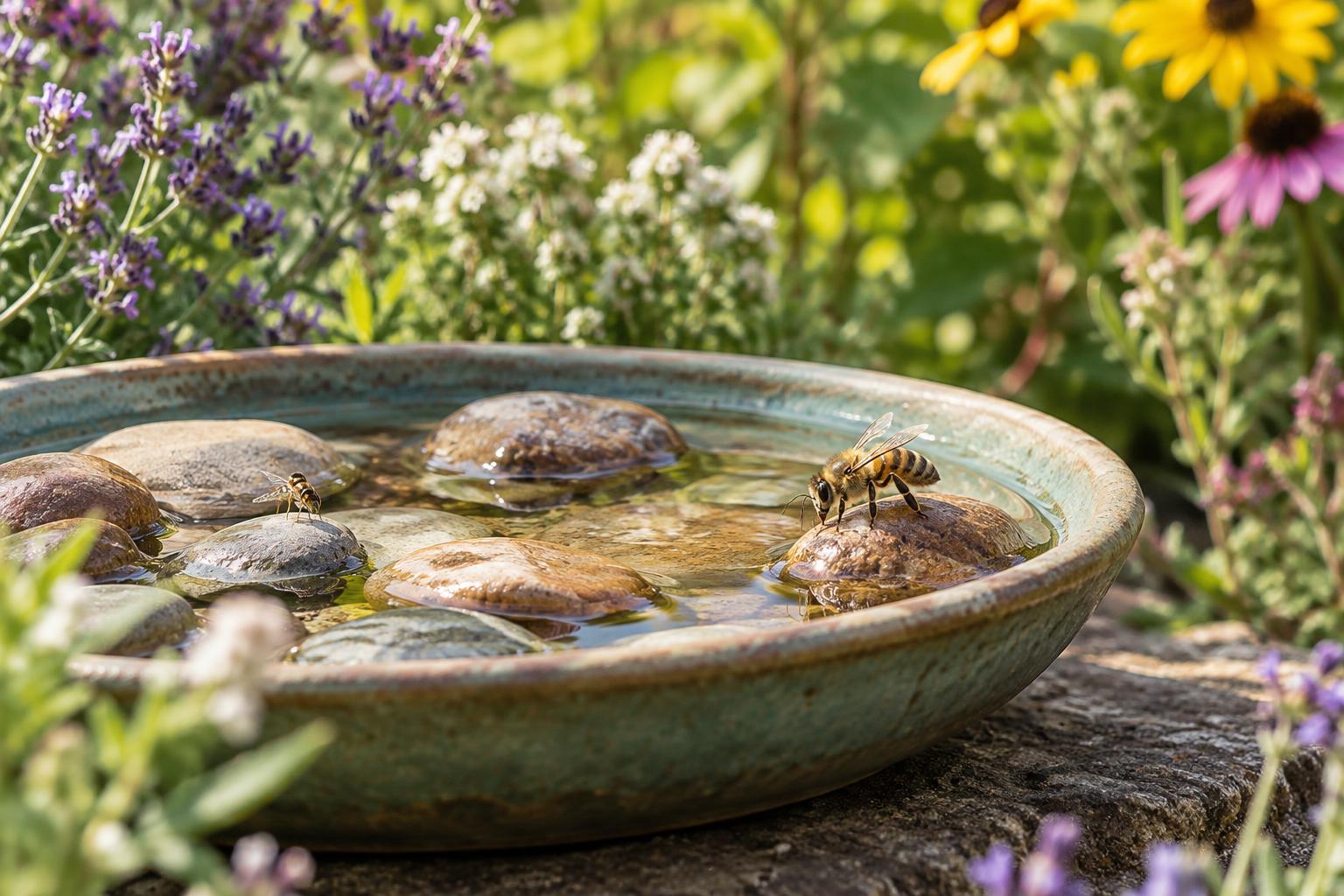
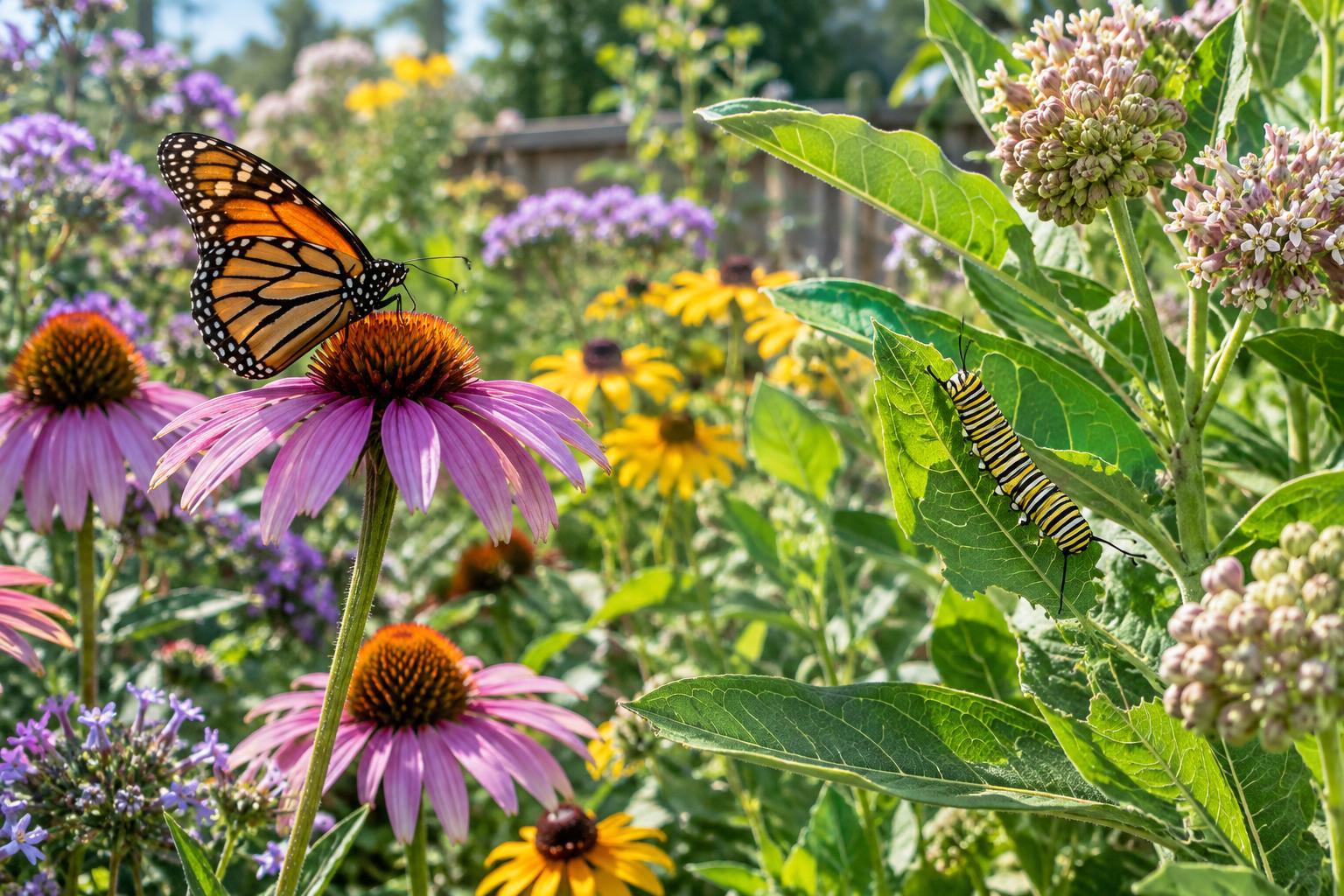
Flowers are only part of a pollinator-friendly space. Many insects also need places to shelter or nest, and some depend on particular plants during their immature stages. Where practical, leave a small area of undisturbed soil, retain some plant stems until after winter, and include suitable host plants as well as nectar flowers. A shallow water source can help garden wildlife if it is kept clean and safe from standing-water problems.
Use pesticides cautiously, since products intended for pests may also affect beneficial insects. Start by identifying a problem and considering whether it needs intervention at all. A succession garden works best when it is observed rather than managed to look identical every week. Let some flowers finish naturally, record which plants attract visitors, and adjust the planting plan gradually. A reliable sequence grows from those small, local observations.