Choose the right time to move seedlings
Seedlings are easier to transplant once they have developed a few true leaves—the leaves that appear after the first seed leaves. At this stage, they are usually large enough to handle but have not spent too long growing in a small space. If roots are circling the bottom of a pot or several plants are tangled together, move them soon rather than waiting for a larger top growth.
For outdoor planting, check that conditions suit the crop. Tender seedlings should go out only when the risk of damaging cold has passed, while crops that tolerate cool weather may be ready earlier. If seedlings have been raised indoors or in a sheltered greenhouse, gradually introduce them to outdoor light, wind and temperature over several days. This adjustment, often called hardening off, helps prevent leaf damage and wilting after transplanting.
Prepare the new home before lifting a plant
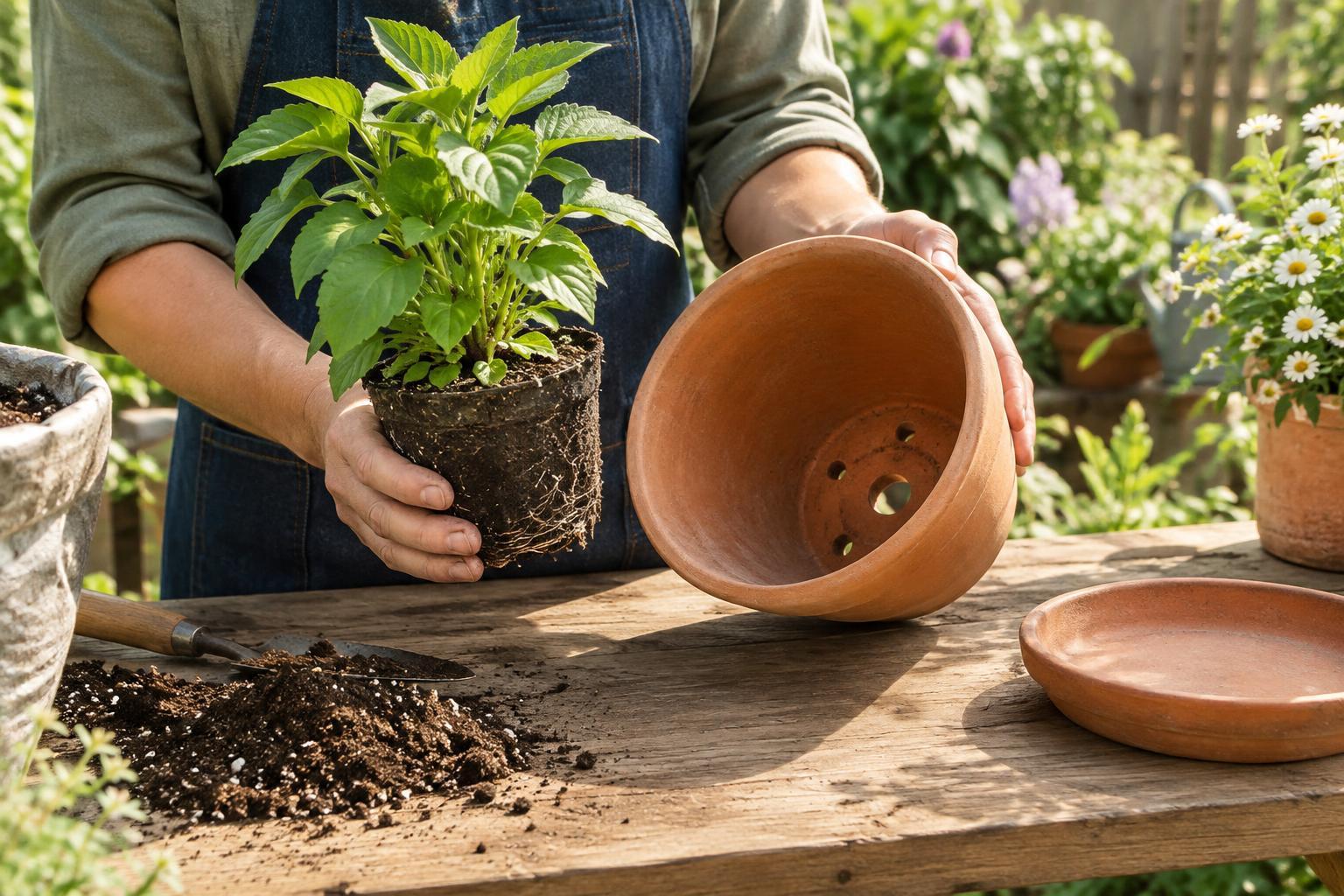
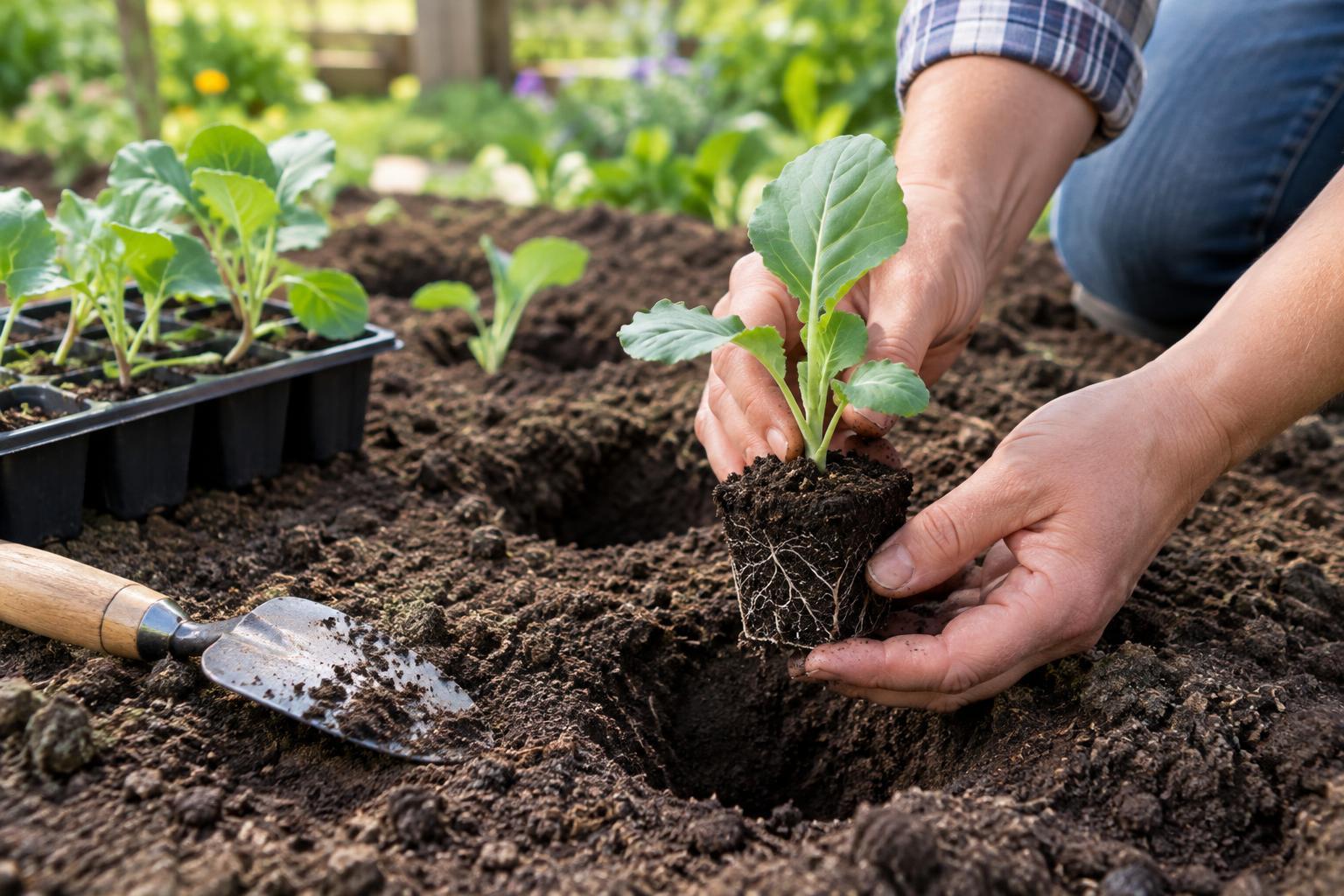
Fill new pots with a suitable, lightly moistened growing mix, or prepare a garden bed by loosening the soil and removing large clumps. Make a planting hole before you take a seedling out of its container. The hole should be wide enough to accept the root ball without forcing it in. Having everything ready means exposed roots spend less time drying out.
Water seedlings lightly before transplanting. A moist root ball tends to hold together better than a dry one, but soaking-wet mix can fall apart or be difficult to handle. If you are moving plants outdoors, a mild, cloudy day or the cooler part of the day is generally gentler than hot sun and strong wind. Keep seedlings shaded while you work through a tray.
Lift and handle roots gently
For seedlings growing in individual cells, support the surface of the mix with your fingers, tip the tray slightly and press the base of a flexible cell to release the plug. Do not pull a plant out by its stem. If it will not release, run a plant label or other blunt, narrow tool around the cell edge. A firm root ball can then be held by the surrounding mix rather than by the plant itself.
When several seedlings share a tray, loosen the mix beneath them with a small tool and lift from below. Separate their roots slowly, keeping as much attached mix as you can. If roots are tightly intertwined, do not spend so long untangling them that they dry out. Hold small seedlings by a leaf when you need a grip: a damaged leaf is less serious than a crushed stem. Avoid tugging directly on fine roots.
A plant that has outgrown its pot may have roots circling around the outside of the root ball. Gently ease apart a few of the outer roots so they can grow into the new mix. There is no need to strip away all the old soil or aggressively comb through healthy roots. For seedlings in plantable pots, check that the pot material will not stand above the soil surface, where an exposed rim can dry out and draw moisture away.
Set each seedling at a suitable depth
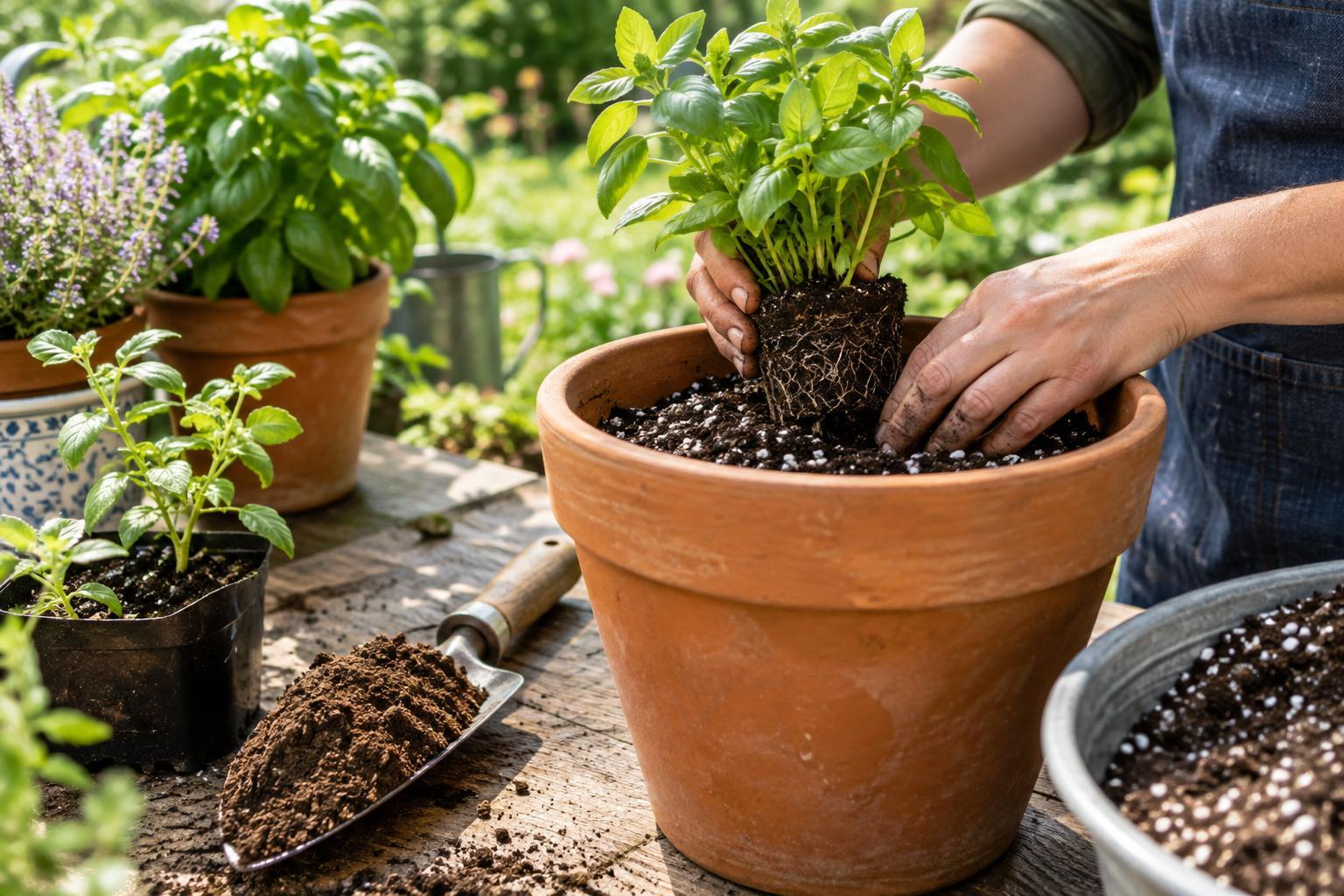
Lower the seedling into its hole with the roots pointing downward or spreading naturally, not folded upward. Most seedlings should sit at roughly the same depth they grew at before. Tomatoes are a useful exception: they can often be planted deeper, with some of the stem below the soil, because that buried stem can form additional roots. For other crops, especially those prone to stem rot, burying the stem may cause problems.
Fill around the root ball with soil or growing mix and press gently to remove large air pockets. The aim is good contact between roots and their new surroundings, not tightly compacted soil. In pots, leave a little space below the rim so water does not immediately run off. In beds, follow the spacing appropriate to the mature plant rather than crowding seedlings together for an instantly full-looking row.
Water in and give plants time to settle
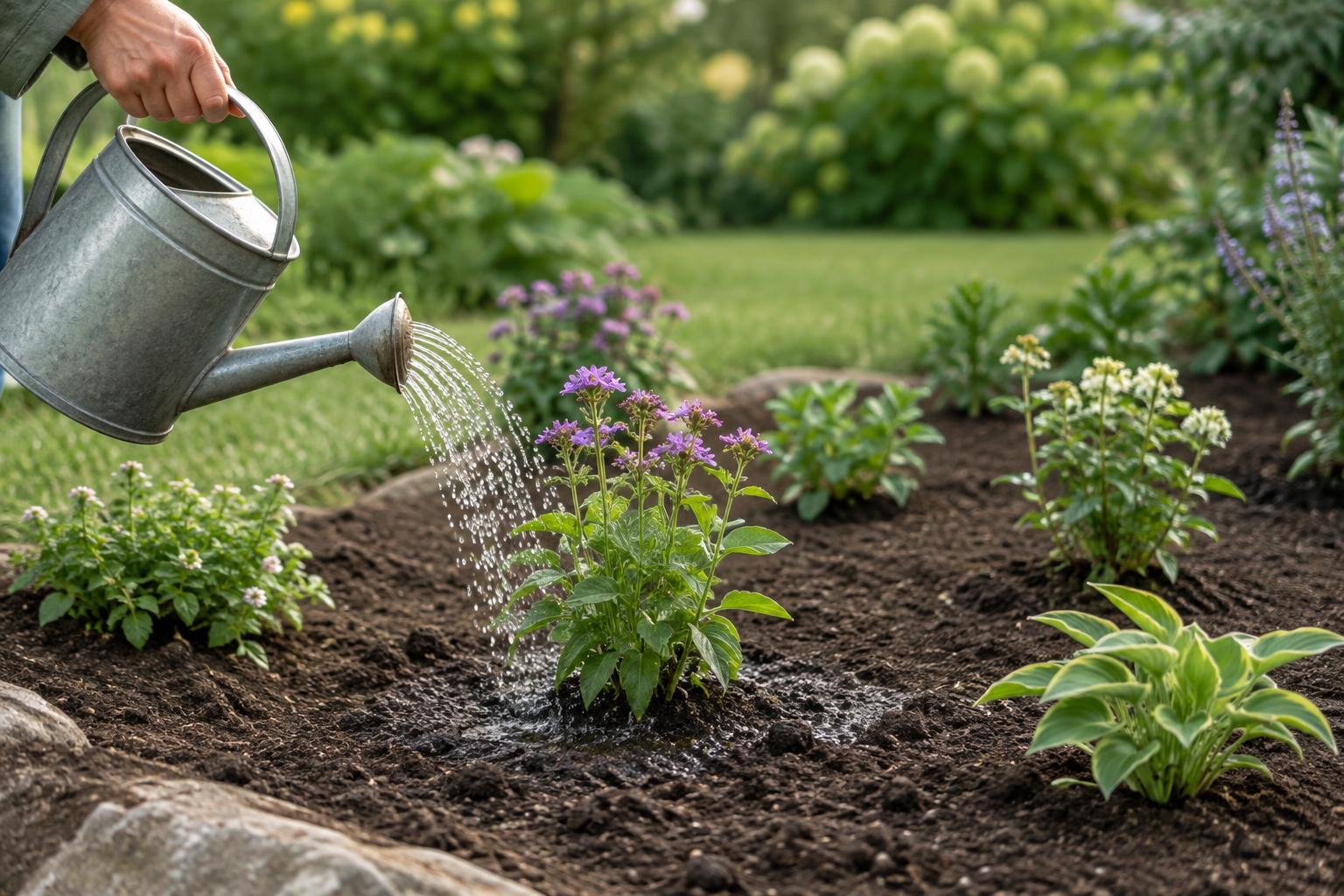
Water each transplant slowly at its base to settle the soil around the roots. Check that water reaches the root zone rather than merely wetting the surface. Over the following days, keep the soil consistently moist but not waterlogged; containers may dry faster than garden beds. A light mulch around established outdoor transplants can help moderate soil moisture, but leave a little space around delicate stems.
Some drooping immediately after a move is common. Protect newly planted seedlings from harsh sun or wind for a short period if conditions are demanding, then remove that protection as they recover. Resist the urge to keep lifting a struggling plant to inspect its roots. Instead, check moisture, drainage and temperature first. With careful handling and steady aftercare, seedlings have a better chance to resume growth in their new space.