Begin with a walk, not a rake
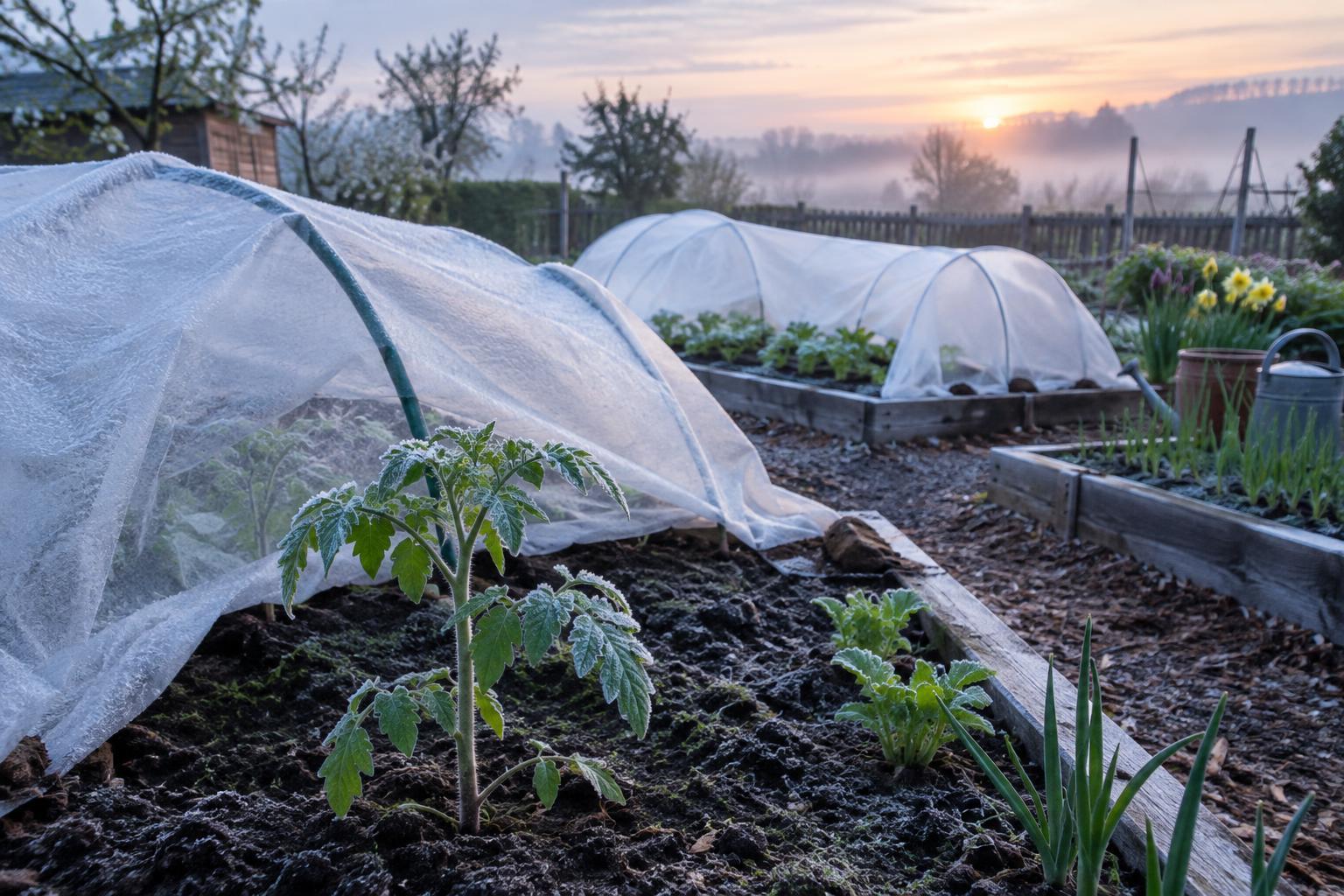
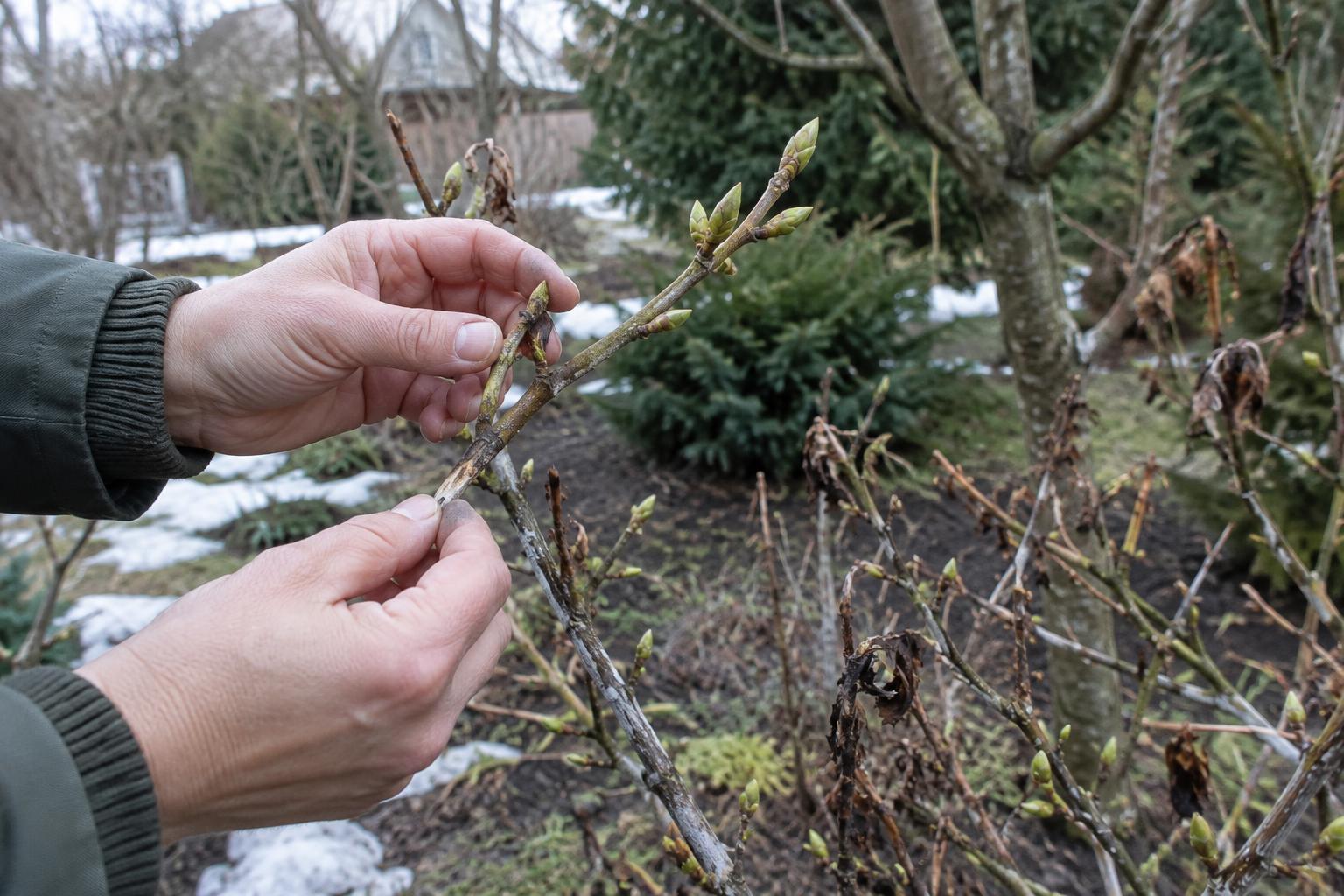
The first warm days can make a full garden tidy-up feel urgent. But spring growth rarely appears all at once. Bulbs may be visible while nearby perennials are still below ground, and a plant that looks lifeless may simply be late to wake. Before cutting or raking, walk through the garden and look for shoots, swelling buds, and the remains of last year’s plant crowns. If you know where dormant plants are, mark their positions so you can work around them.
Let conditions, rather than the calendar, guide the job. In a colder climate, growth and insect activity may start later; in a milder one, new shoots may already be easy to damage. Choose a day when you can see the soil surface clearly and work slowly enough to notice small changes. If a bed is crowded with old growth, clear one small area at a time instead of sweeping through it with a rake.
Protect the soil beneath your feet
Wet soil is especially vulnerable to compaction. When it sticks heavily to your boots or squeezes into a dense clump in your hand, postpone work that requires stepping into beds. Use established paths, reach in from the edges, or lay a board temporarily where access is unavoidable. This is particularly helpful around tender shoots that can be snapped or buried by a misplaced foot.
Start with loose debris on paths and lawns, where it is easier to see what you are doing. In planting beds, lift leaves and fallen stems by hand or with a small tool rather than pulling a stiff rake across the surface. There is usually no need to turn over the soil during cleanup. Keeping disturbance light helps protect shallow roots, emerging bulbs, and the soil structure plants depend on.
Clear leaves selectively
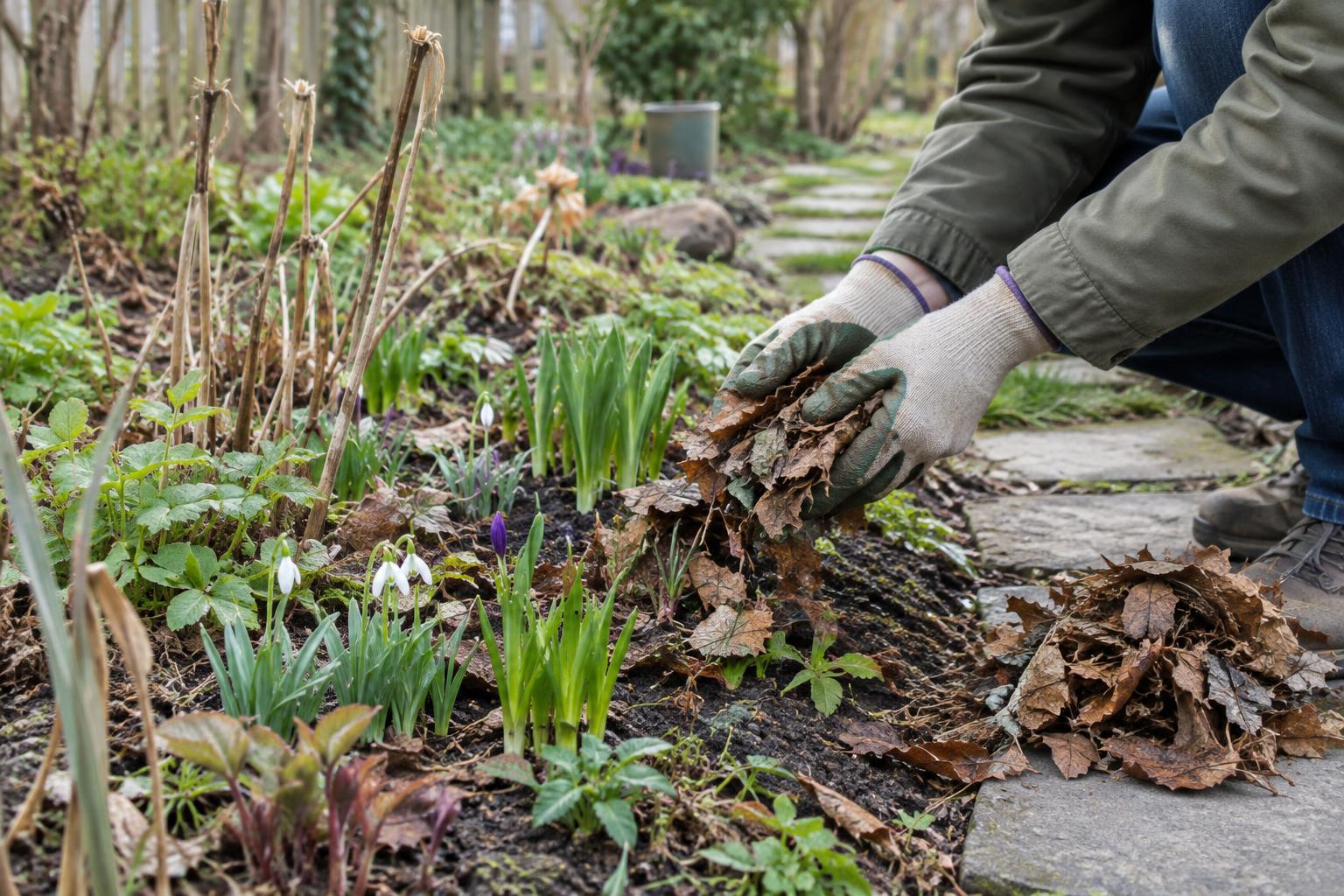
A layer of winter leaves is not automatically a problem. Leaves can shelter small creatures and cover bare soil while temperatures fluctuate. Check what is underneath before removing them. Where a thick, soggy mat is pressing against new shoots or smothering low-growing plants, gently loosen it and move some of the material aside. Where leaves are thin and plants are growing through them comfortably, they can often stay.
Pay particular attention to plant crowns: the point where stems meet the soil. Clear packed, wet debris away from crowns without scraping or tugging at new growth. You can move sound, loose leaves to a less crowded part of a bed or add them to a compost pile. This approach leaves some useful cover in place while giving vulnerable plants space and air.
Cut old stems with new growth in mind
Before trimming last year’s perennial stems, look closely at their bases. Fresh shoots may be tucked inside a clump or emerging beside an old stem. Use clean hand pruners and cut a few stems at a time, keeping the blades where you can see them. If a clump is too dense to inspect safely, leave its lowest stems for now and return when the new growth is clearer.
Not every plant needs the same spring cutback. Some keep green leaves through winter, while others flower on older woody growth and may lose blooms if cut back indiscriminately. If you are unsure what a plant is, remove only material that is clearly broken or dead until you can identify it. Hollow stems can also provide shelter for insects, so consider placing cut stems loosely in an out-of-the-way spot rather than immediately shredding everything.
Finish gradually and keep checking
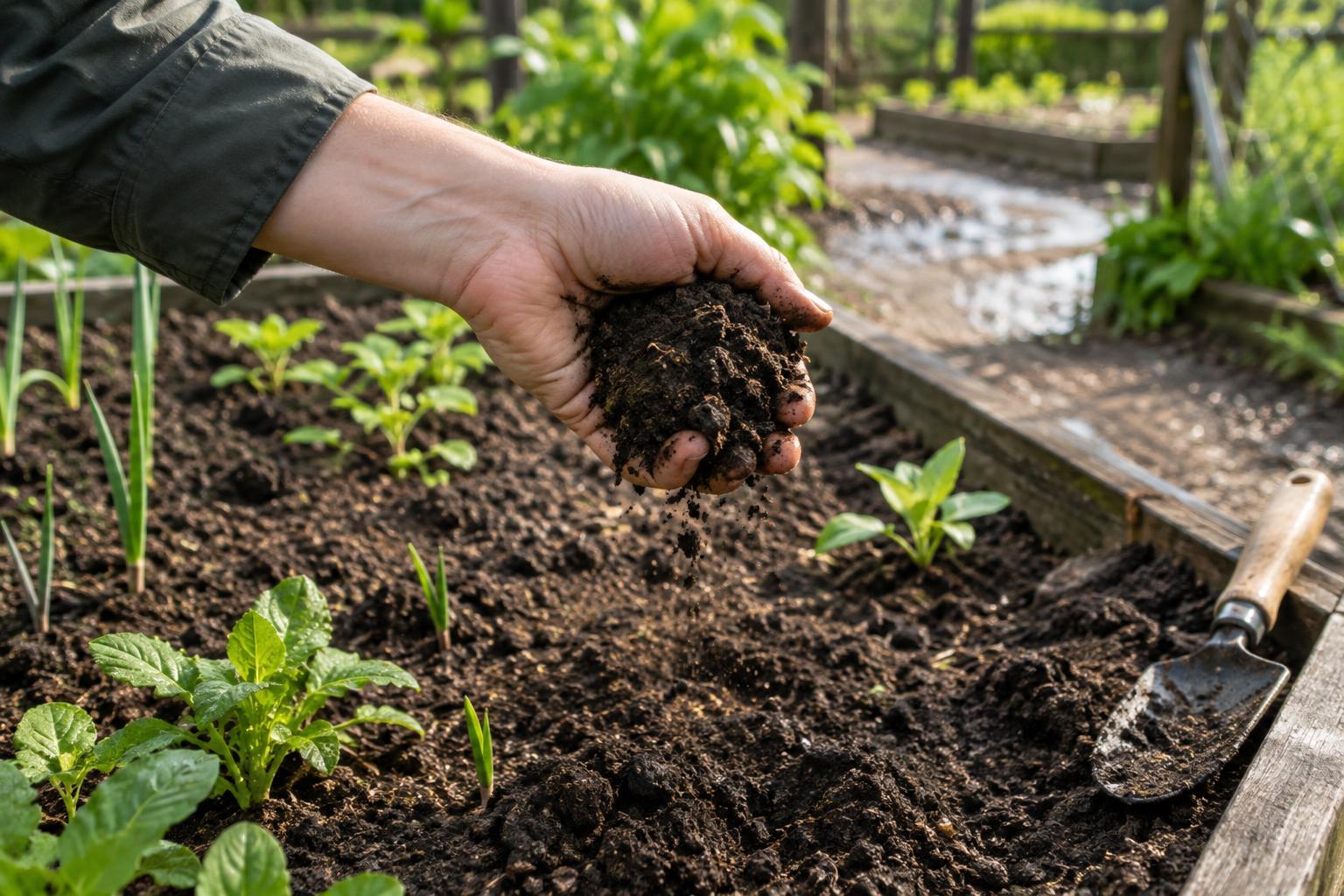
Once shoots are visible and the bed is accessible, pull small weeds while their roots are easier to distinguish from nearby plants. Add mulch only after you have located emerging growth. Spread it over open soil, leaving space around stems and crowns rather than piling it against them. A light touch makes it easier to spot plants that emerge later.
Spring cleanup works best as a series of short visits, not a single overhaul. Revisit beds as the season advances, removing debris where it causes crowding and leaving it where it does no harm. By watching plants first and tidying second, you can make the garden easier to tend without accidentally clearing away the growth you have been waiting to see.