Know what needs protection
A late spring frost matters most when plants have already put out tender new growth. A plant that handled winter cold while dormant may still lose young leaves or flower buds to an unexpectedly cold night. The first step is to look around the garden and decide what would be hardest to replace or most disappointing to lose.
Prioritize newly planted warm-season vegetables, tender annuals, seedlings and plants that have only recently moved outdoors. Fruit blossoms and fresh growth on some shrubs and perennials may also need attention. Established, cold-tolerant plants generally need less help. If you are unsure about a plant, check its label or growing guidance and give it protection when a frost is possible.
Look beyond the forecast temperature, too. Conditions can vary within a garden: an exposed bed or a low spot may cool differently from a sheltered area near the house. You do not need to cover everything. Focusing on vulnerable plants makes the job more manageable and leaves hardy plants undisturbed.
Get the garden ready before evening
Bring movable pots and trays into a sheltered place before temperatures fall. A garage, enclosed porch or other protected space can get tender plants through a cold night; move them back to suitable light and air afterward. For a large container that cannot be moved, place it out of the wind if possible and plan to cover the plant.
Check the soil earlier in the day. If it is dry, water it normally so roots are not facing both dryness and cold. Avoid soaking already wet ground or spraying foliage just before nightfall. Pause transplanting and other work that could stress tender plants until the cold spell passes. Keep covers, supports and fasteners ready so you are not trying to secure them in the dark.
Cover plants without crushing them
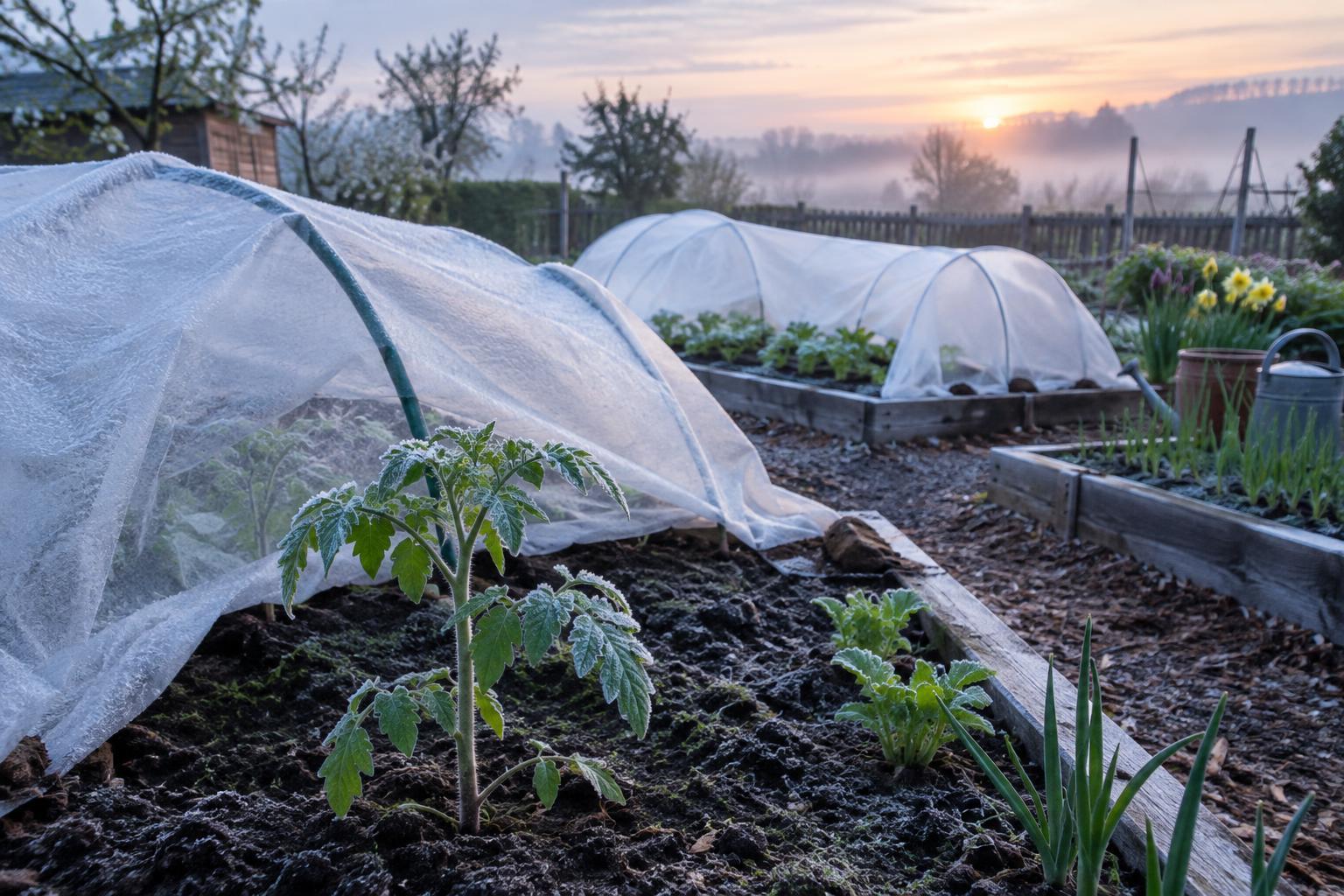
A breathable garden fleece, frost cloth or lightweight sheet can help shield plants from a brief frost. Drape it loosely over the plant, using stakes or hoops to keep the weight off delicate stems and blossoms. Extend the cover to the ground and secure its edges with stones, boards or garden pins. This helps hold in some of the warmth rising from the soil and stops the cover from blowing away.
For individual seedlings, a bucket or other sturdy container can serve as a temporary cover if it is large enough not to press on the plant. Avoid using a clear container in direct sun the next morning, when the space inside could warm quickly. Plastic sheeting can also cause problems if it touches leaves; if it is your only option, keep it raised above the foliage and remove it promptly.
Put covers in place before the garden becomes cold, then take them off when temperatures have risen the next day. Removing them lets plants receive light and air and allows pollinators to reach open flowers. If another cold night is expected, you can cover the plants again that evening.
Handle a hard freeze differently
A simple cover is most useful for a short, light frost. If temperatures are expected to stay well below freezing, a thin sheet may not be enough for tender plants. Moving containers indoors becomes more important, and newly planted warm-season crops may need more substantial protection or may have to be replaced.
Avoid improvised heat sources under fabric or near dry garden materials. They can introduce a fire risk and are rarely necessary for a home garden. Also be cautious about trying to protect plants by running sprinklers overnight: that method depends on continuous, correctly managed water application and is not a reliable last-minute substitute for covers.
Assess damage after the cold passes
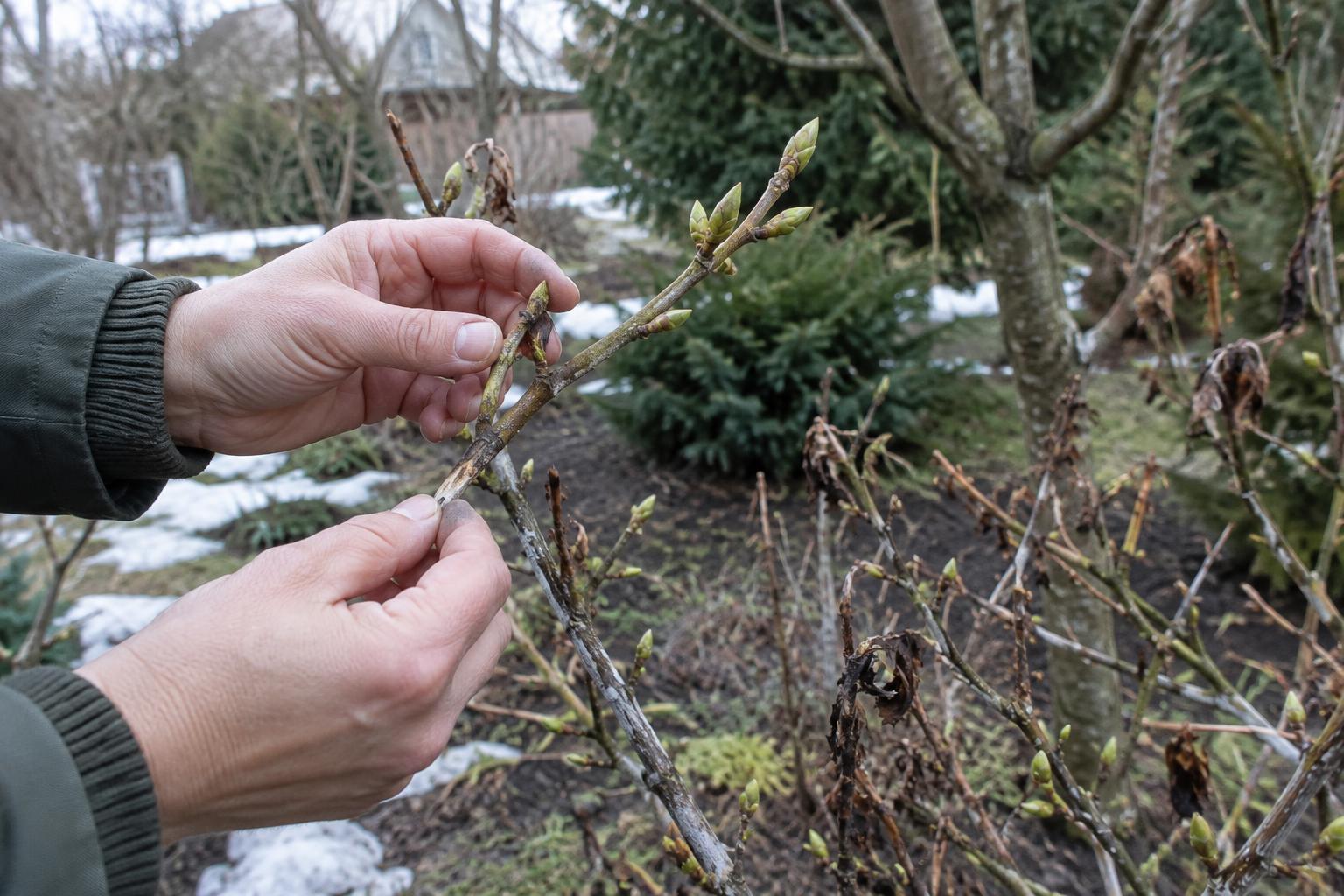
In the morning, let frozen foliage thaw naturally before handling it. Leaves may look limp, darkened or water-soaked, but that does not always mean the whole plant is lost. Give it a little time before cutting away damaged growth; healthy buds or shoots may become easier to identify after several days.
Once the risk of further frost has passed, trim clearly dead material without removing sound stems. Keep the soil appropriately moist, but do not overwater or add extra fertilizer in an attempt to force recovery. A plant with damaged leaves still needs time to regain its strength.
Keep your covers in a convenient place through the changeable part of spring. Preparing for the next cold night is often simpler than repairing the damage from the last one.