Choose seeds and work backward from planting time
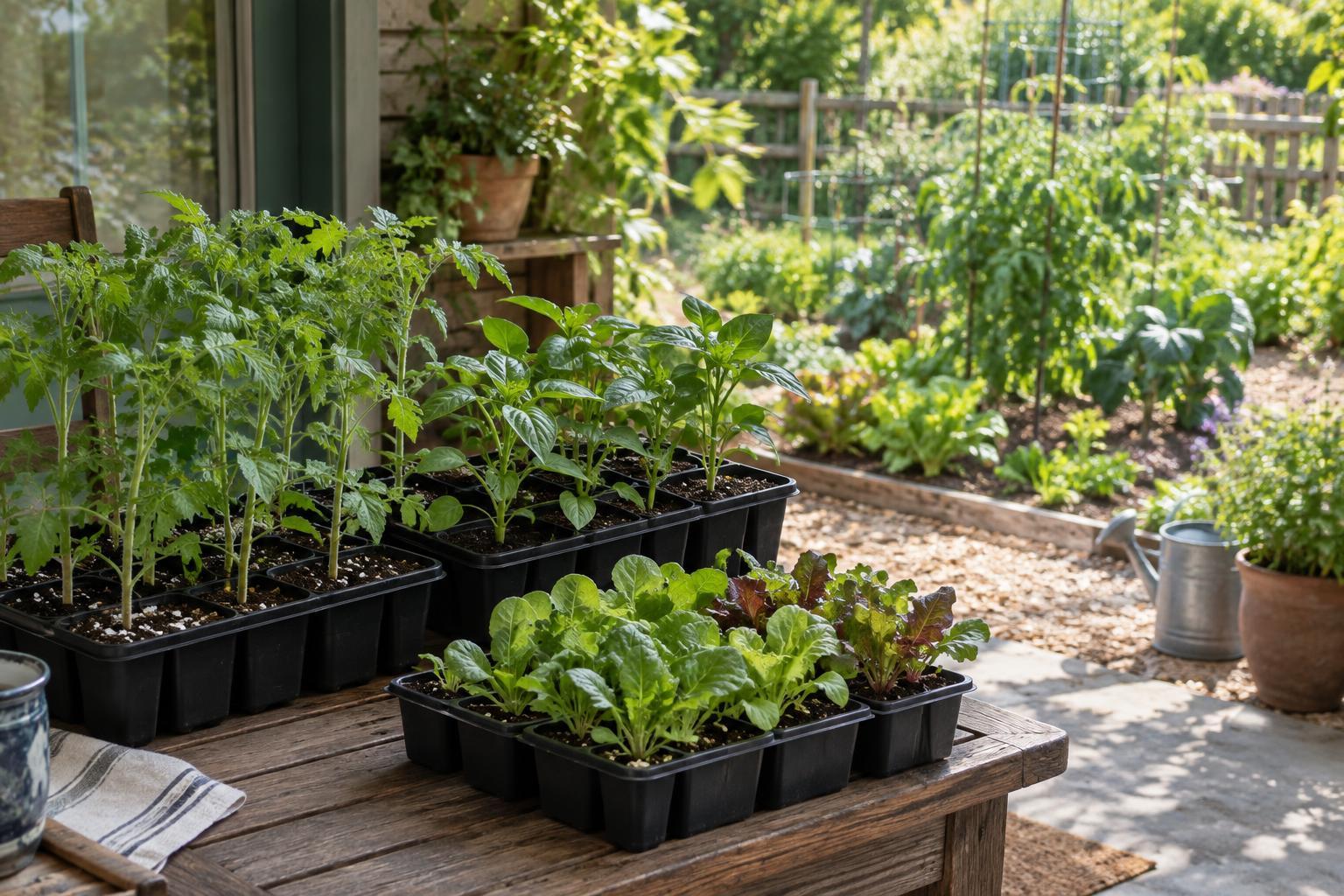
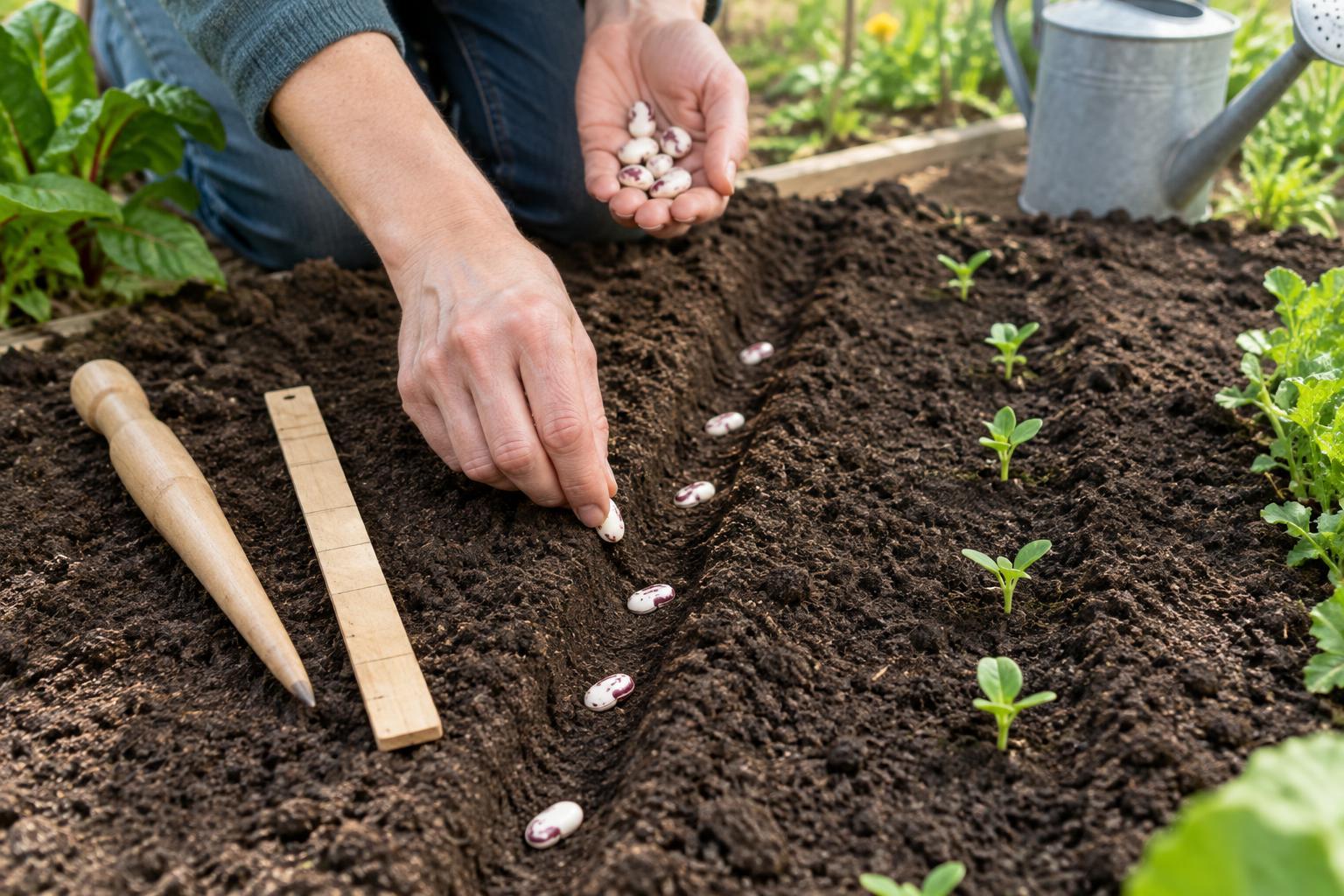
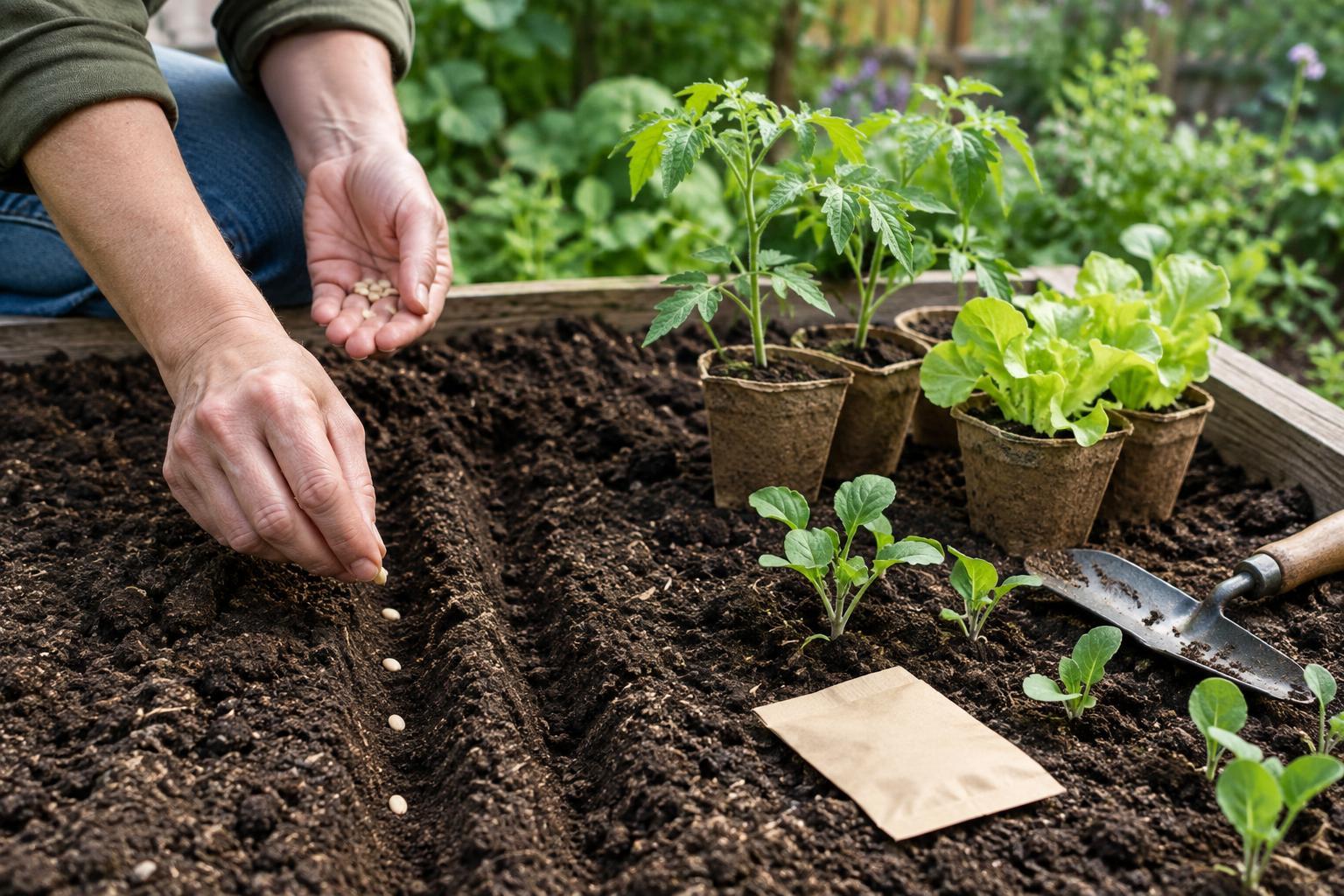
Indoor seed starting is most useful for plants that need a longer growing season or benefit from being established before they go outdoors. Tomatoes, peppers and many annual flowers are common choices. Other plants, including some root crops, often do better when sown directly where they will grow because their roots dislike disturbance. Check each seed packet before deciding which approach to take.
The packet is also your best guide to timing. Look for a suggested number of weeks before your area’s last expected frost, along with the seed’s germination needs. Frost dates are estimates, not guarantees, and planting time depends on both your climate and the crop. A warm-season plant may need to wait until the soil has warmed, even after frost risk has passed. If you are new to seed starting, begin with a few varieties rather than filling every available windowsill.
Gather a small, practical setup
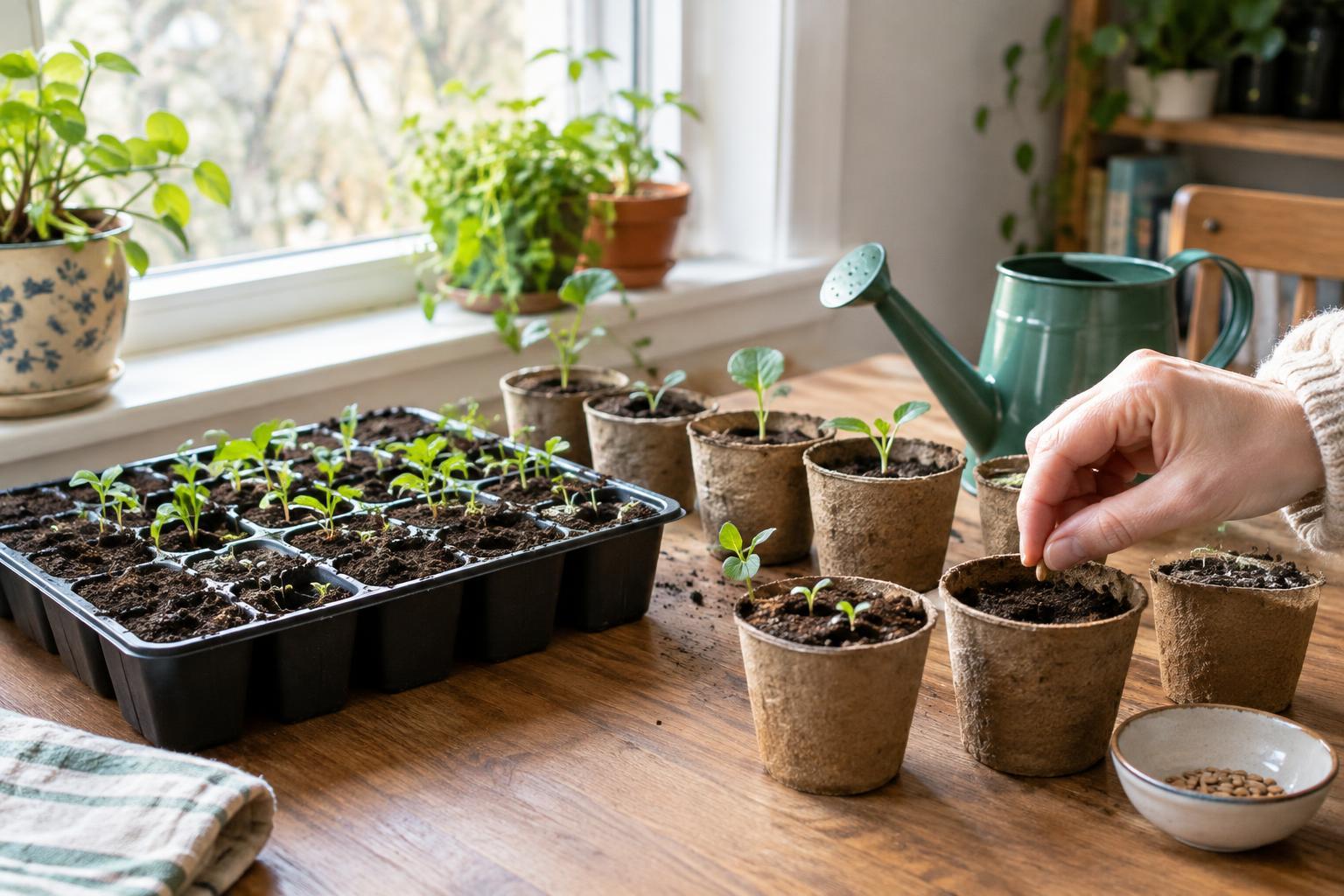
You need seeds, a light seed-starting mix, containers with drainage holes, labels and something to catch excess water. Cell trays are convenient, but clean reused pots or food containers with drainage holes can also work. Wash previously used containers before filling them. A clear cover can help retain moisture during germination, though it should be removed once seedlings emerge.
Use a mix intended for starting seeds rather than dense garden soil. It is easier to moisten evenly and gives small roots room to grow. For light, a bright window may be enough for some seedlings, but a basic grow light is often more dependable, particularly where days are short or windows are shaded. You do not need an elaborate shelf system: a stable surface, a light that can be positioned near the plants and a safe place for water to drain are a sound starting point.
Sow carefully and keep the mix evenly moist
Moisten the seed-starting mix before filling your containers. It should feel damp, not dripping wet. Fill each cell loosely, sow according to the packet’s depth instructions and label the container immediately. Some seeds need light to germinate and should barely be covered; others need a thin layer of mix. If you sow more than one seed per cell, you can later keep the strongest seedling and snip the extras at the surface to avoid disturbing its roots.
After sowing, water gently so the seeds stay in place. Check the mix regularly while you wait for sprouts. It should not dry out completely, but constantly soggy conditions can cause problems. Watering from below, then emptying any water left in the tray after the mix has absorbed what it needs, can make moisture easier to manage. Germination time varies, so use the packet as a guide rather than assuming every seed has failed after a few days.
Give seedlings light, airflow and room to grow
Once seedlings appear, remove any clear cover and place them in strong light. Follow the grow light’s placement guidance if you use one, adjusting its height as plants grow. Seedlings that become long, thin and tilted are often reaching for more light. If they lean toward a window, turn the containers regularly or consider adding a light. Keep plants away from drafts and intense heat from radiators.
Continue watering when the surface begins to dry rather than on a rigid schedule. Gentle airflow and space between plants help leaves dry and make crowded conditions less likely. When seedlings have developed their first true leaves, check whether they need more room. If roots are filling a cell or plants are crowding one another, move them into slightly larger containers with fresh potting mix. Handle seedlings by their leaves rather than pulling on delicate stems, and water them after the move.
Prepare plants for life outdoors
Indoor-grown seedlings need time to adjust to direct sun, wind and changing temperatures. This gradual transition is called hardening off. Start with a sheltered spot outdoors for a short period, then increase their exposure over several days as conditions allow. Bring them inside if temperatures are unsuitable for the crop or the weather is harsh. Even sturdy seedlings can suffer when moved straight from a protected room into strong midday sun.
Plant out only when conditions suit the variety, paying attention to frost risk and soil warmth. Water seedlings before transplanting, set them at an appropriate spacing and water them in afterward. Some losses are normal when learning, so keep notes on what you sowed, when it sprouted and how it grew. Those simple observations will help you adjust your timing and setup next time without buying more equipment than you need.