Why seedlings need a gradual move outdoors
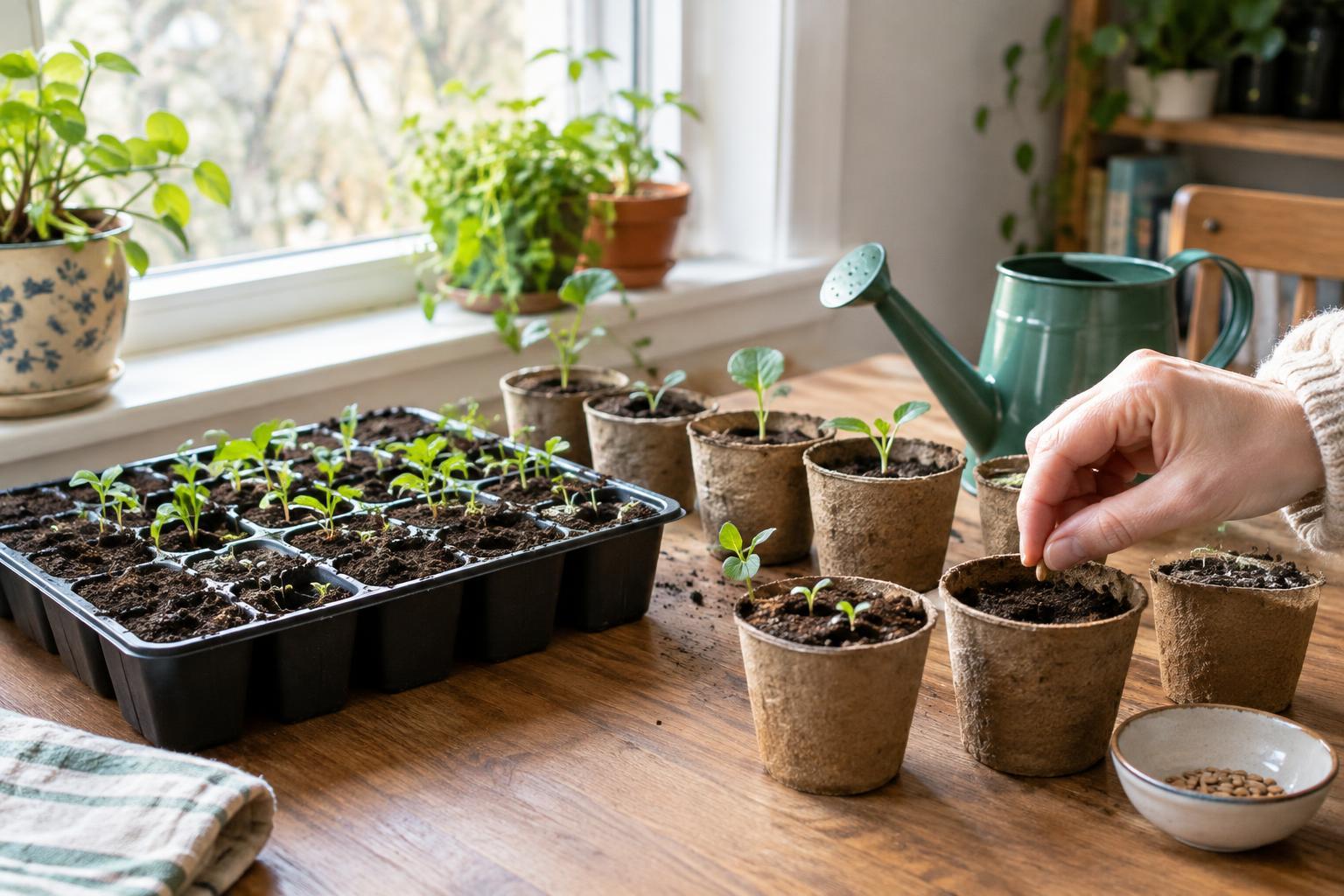
A seedling grown on a windowsill or under lights has lived in fairly sheltered conditions. Outdoors, direct sun is stronger, wind pulls moisture from leaves and soil, and temperatures can change quickly. Moving a tender plant straight from indoors into a sunny garden bed may leave it wilted, scorched or stalled. Hardening off is the process of introducing those conditions a little at a time.
The aim is not to make seedlings endure harsh weather. It is to give healthy plants a chance to adjust before transplanting. Plan for roughly one to two weeks, but let the weather and the plants guide you. A mild, settled stretch may make the process straightforward; cold, hot or windy days may call for a slower pace. Seedlings that have already been growing in a sheltered outdoor spot may need less adjustment than those raised entirely indoors.
Get ready before the first outdoor session
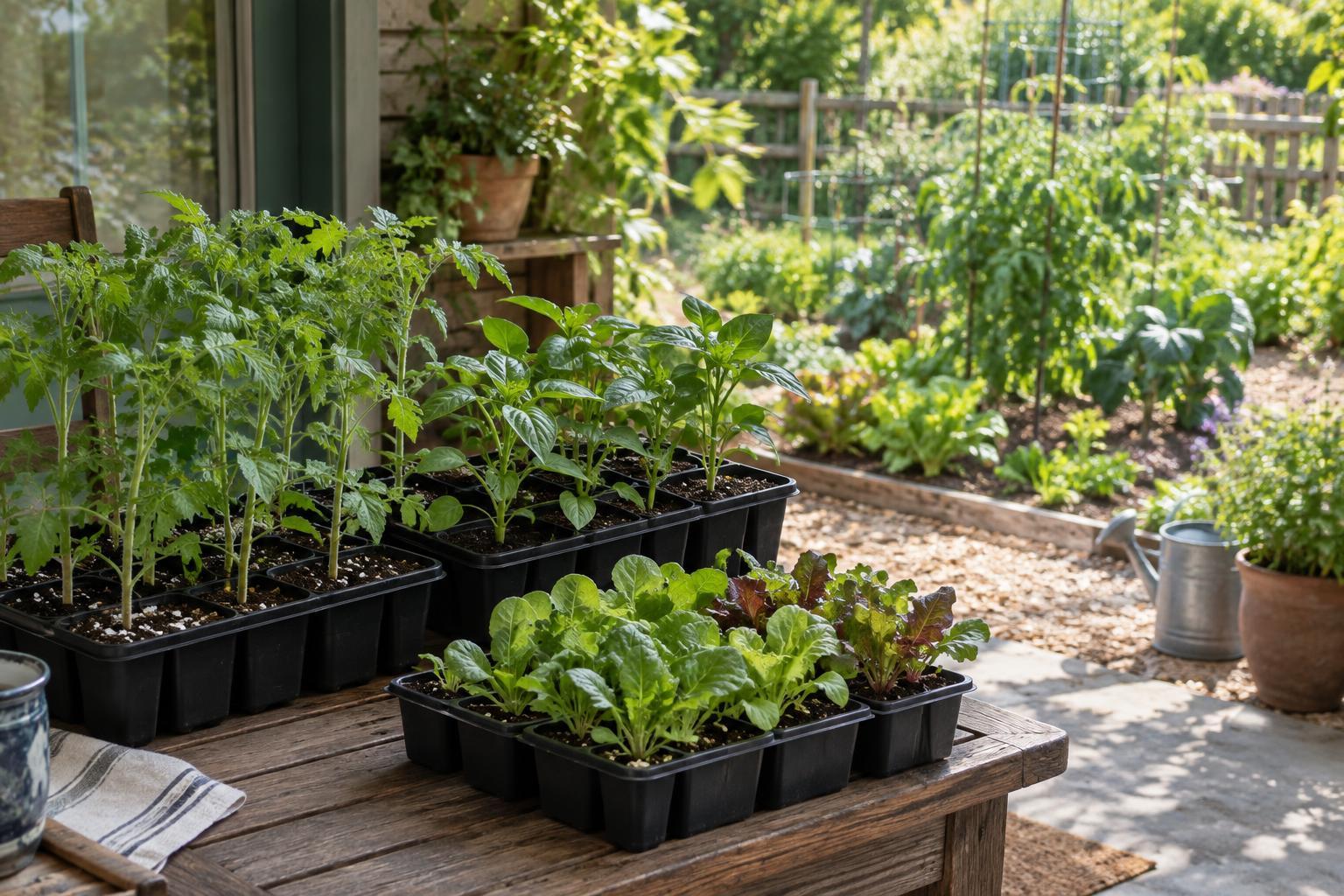
Start with seedlings that are growing steadily, have several true leaves and are not severely dry or root-bound. Water them as needed before moving their trays, and check that containers drain freely. Choose a spot where you can easily bring them back inside: a sheltered porch, a place beside a wall or an area under light shade can work. Keep trays off surfaces that become very hot in the sun.
Check the forecast as well as the temperature at the moment you set plants out. Frost-sensitive seedlings should not be left outside when frost is possible, and even a frost-free night may be too cold for warm-season plants. Different crops tolerate different conditions, so treat the routine as a guide rather than a fixed calendar. If outdoor planting conditions are still weeks away, keep seedlings in good light and give them enough room to grow instead of rushing the transition.
Build exposure in small steps
On the first day, put seedlings outside for a short period in a shaded, sheltered place, then bring them back in. Over the next few days, lengthen their time outdoors. Once they are comfortable in shade, introduce gentle morning sun, increasing their exposure gradually. Afternoon sun can be more demanding, especially when reflected by walls or paving, so add it cautiously.
As the seedlings adjust to light, allow them to experience a little more air movement and longer outdoor stays. Avoid using a blustery day as a test of strength: wind can tip trays, damage stems and dry small pots quickly. Near the end of the process, plants can stay out through a suitable day and, if conditions are mild enough for that crop, overnight. There is no need to advance every day. If the weather turns rough, pause or step back to a more protected spot.
Watch the plants, not just the clock
Check seedlings when you put them out and again before bringing them in. Slight midday drooping that resolves in shade may signal that the change was too fast or that a pot needs water. Pale or bleached patches on leaves can follow too much direct sun; limp growth and drying soil can point to heat or wind stress. Move affected plants into shelter and give them time to recover before increasing exposure again.
Outdoor trays often dry faster than indoor ones, but constantly soggy compost is not the answer. Feel the growing mix and water when it needs it, making sure excess can drain away. Keep an eye on pests, too, particularly if seedlings sit near established plants. A tray or lightweight cover may offer temporary protection, but avoid enclosing plants so tightly that they overheat. Some older leaves may look imperfect during the transition; healthy new growth is a useful sign that a seedling is coping.
Choose a gentle planting day
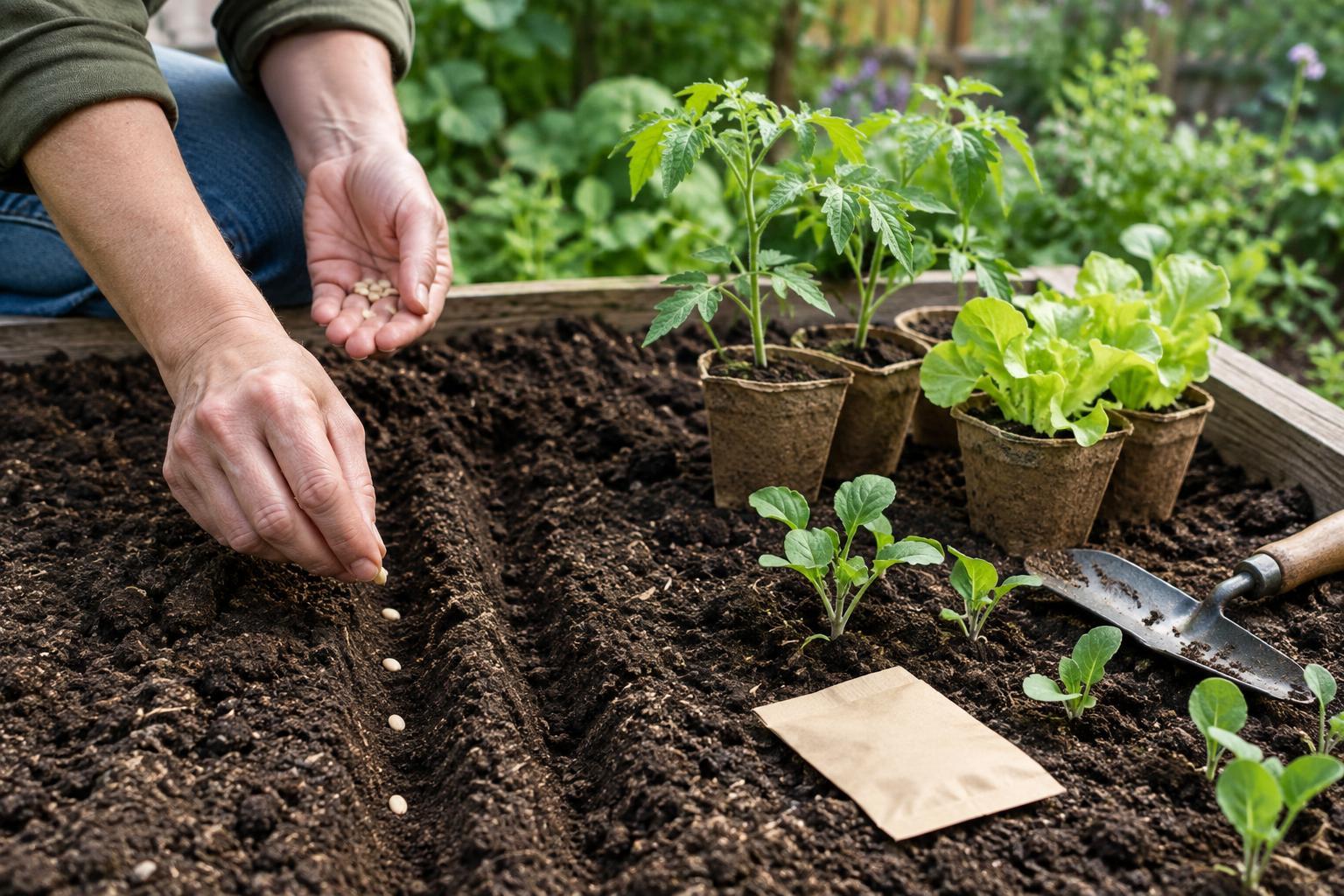
When seedlings have spent several suitable days outdoors without obvious stress, they are usually better prepared for transplanting. Pick a calm, overcast day or plant late in the day if you can. Water the seedlings beforehand, handle roots gently and set each plant at the depth appropriate for that crop. Water the soil around the transplant to settle it, then check moisture regularly while roots establish.
Hardening off does not replace choosing the right planting time. If a cold spell or heat wave arrives, keep seedlings protected and wait for more suitable conditions. After planting, temporary shade from intense sun or a suitable cover against chilly weather may help, provided it does not trap excessive heat. A flexible approach—gradual exposure, close observation and patience with the forecast—gives seedlings a steadier start in their new outdoor home.