Treat the label as a starting point
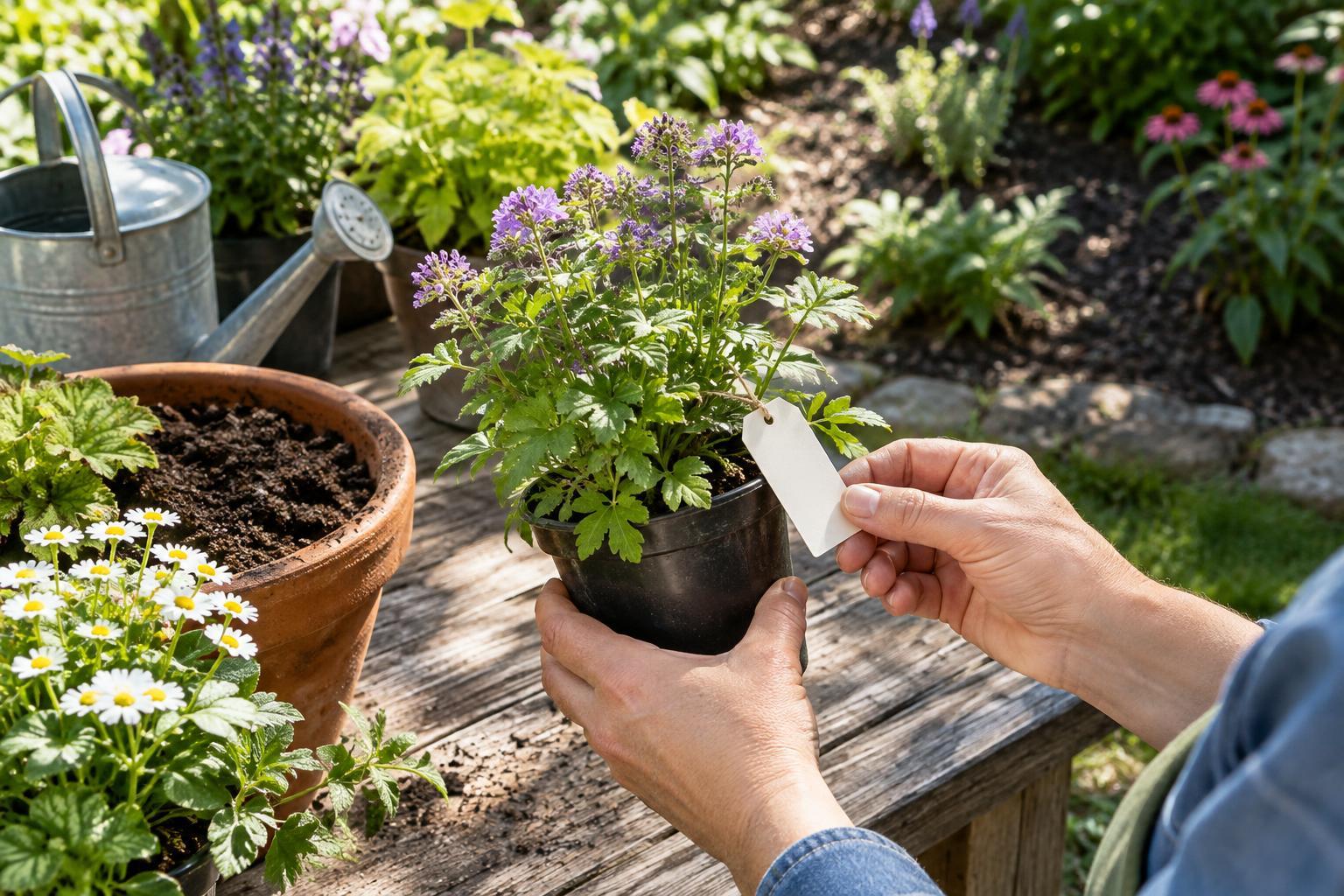
A plant label is a compact guide to the conditions in which a plant is likely to grow well. It may list light exposure, water needs, hardiness, mature size and flowering season. Those details help you narrow your choices, but they cannot describe every garden. A spot beside a reflective wall, beneath a tree or in an exposed container may behave differently from the general conditions on the label.
Before buying, compare the label with a specific place you have in mind. Notice when that place receives sun, how quickly its soil dries after rain and whether it is sheltered from wind. If a term seems vague, look for a fuller description on the reverse of the label or ask the nursery what it means for that plant. Matching conditions is usually easier than trying to change a difficult site.
Read light needs by observing the spot
“Full sun” generally means a place that receives direct sunlight for much of the day, often around six hours or more. “Part sun” or “part shade” suggests fewer hours of direct light, while “full shade” means little direct sun. These are useful conventions rather than precise measurements, and plants vary in how well they tolerate conditions at the edges of a category.
The timing and strength of sunlight matter too. A few hours of gentle morning sun can be quite different from the same number of hours of intense afternoon sun. In a hot climate, a plant marked “part shade” may benefit from protection during the hottest part of the day. In a cooler climate, it may need a brighter position. Watch the proposed spot at several times during the day, remembering that nearby trees and buildings can change the pattern with the seasons.
If the label says “sun to part shade,” the plant has some flexibility. That does not mean every position will produce the same result: a flowering plant, for example, may bloom less in a dimmer spot. Use the range to choose a location, then watch how the plant responds.
Translate watering words into soil checks
Labels often use terms such as “low water,” “moderate water” or “keep moist.” These describe a preference, not a fixed watering timetable. Rainfall, temperature, soil type, mulch and container size all affect how quickly roots use or lose moisture. Even a plant described as drought tolerant usually needs attentive watering while its roots establish after planting.
“Keep moist” generally means the root area should not dry out completely, but it does not mean leaving the plant in waterlogged soil. “Well-drained” means excess water can move away from the roots. A plant can need regular moisture and good drainage at the same time. Before watering, feel the soil a short distance below the surface and check whether it is still damp. For pots, also check that drainage holes are open and that the pot is not standing in collected water.
Adjust your care as conditions change. A newly planted shrub may need more frequent checks than an established one, while a small pot can dry faster than a garden bed. If leaves wilt, do not assume dryness is the only cause; overly wet roots can also struggle. Check the soil before changing your routine.
Understand what hardiness does—and does not—tell you
A hardiness rating indicates the winter cold a plant is expected to withstand under suitable growing conditions. Depending on where you live, a label may show a numbered zone, a minimum temperature range or a simple description such as “frost tender.” Use the rating system appropriate to your area, and compare it with conditions at your planting site rather than relying on the wording “hardy” alone.
Hardiness is mainly about surviving cold; it does not guarantee that a plant will thrive through summer heat, dry winds or poorly drained winter soil. A tender plant may need to spend cold months indoors or in another protected place. Conversely, a cold-hardy plant can still suffer if its roots sit wet for long periods. Containers deserve extra attention because their roots are more exposed to temperature changes than roots in the ground.
A label near the limit for your area calls for more thought. A sheltered courtyard might offer some protection, while an open, windy position may be harsher. If keeping the plant through winter would require moving or covering it, decide whether that care fits your time and space before you buy.
Make a quick decision before planting
Use the label to ask three questions: Does this spot provide the right light? Can I meet the plant’s moisture needs without leaving its roots soggy? Is it likely to cope with winter here, or do I have a realistic protection plan? Then check the listed mature height and spread so the plant will have room to grow without crowding a path or its neighbors.
If one requirement is a clear mismatch, choose another plant or another position. If the match is close, plant it where you can observe it easily during its first growing season. Labels help you make a considered start; regular observation helps you refine the care that works in your particular garden.