Think of shelter, not a substitute for a pond
Frogs and toads need suitable breeding water, but they may spend time on land away from it. A garden without a pond can still offer shelter and places to find prey, especially where amphibians already live nearby. The aim is not to attract them from a distance or guarantee visitors. It is to make the garden safer and more useful if they pass through.
Start by looking for spots that stay relatively cool and damp: the shaded side of a shrub, the edge of a hedge or a bed beneath leafy plants. A mix of sheltered areas and open ground gives animals routes through the garden without leaving them exposed at every step. In hot or dry climates, focus on the few places that hold shade and moisture longest.
Build cover from ordinary garden materials
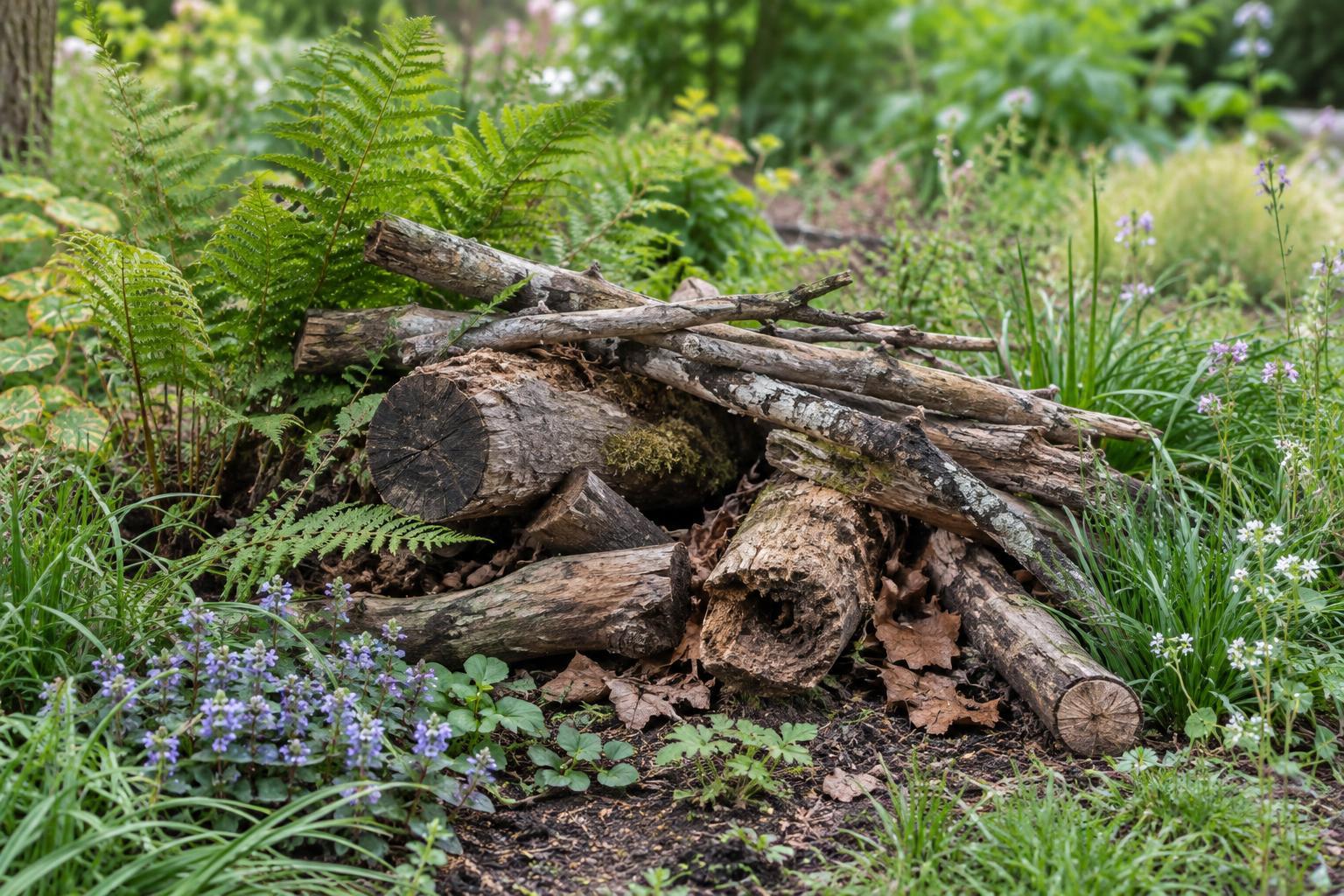
A small log pile can provide crevices and a sheltered patch of soil beneath it. Place logs directly on the ground in a quiet, shaded corner, rather than stacking them so neatly that there are no gaps. A few stones can add cover too, provided they sit firmly and will not shift onto an animal. Leave some leaf litter around the shelter to help protect the soil from sun and drying wind.
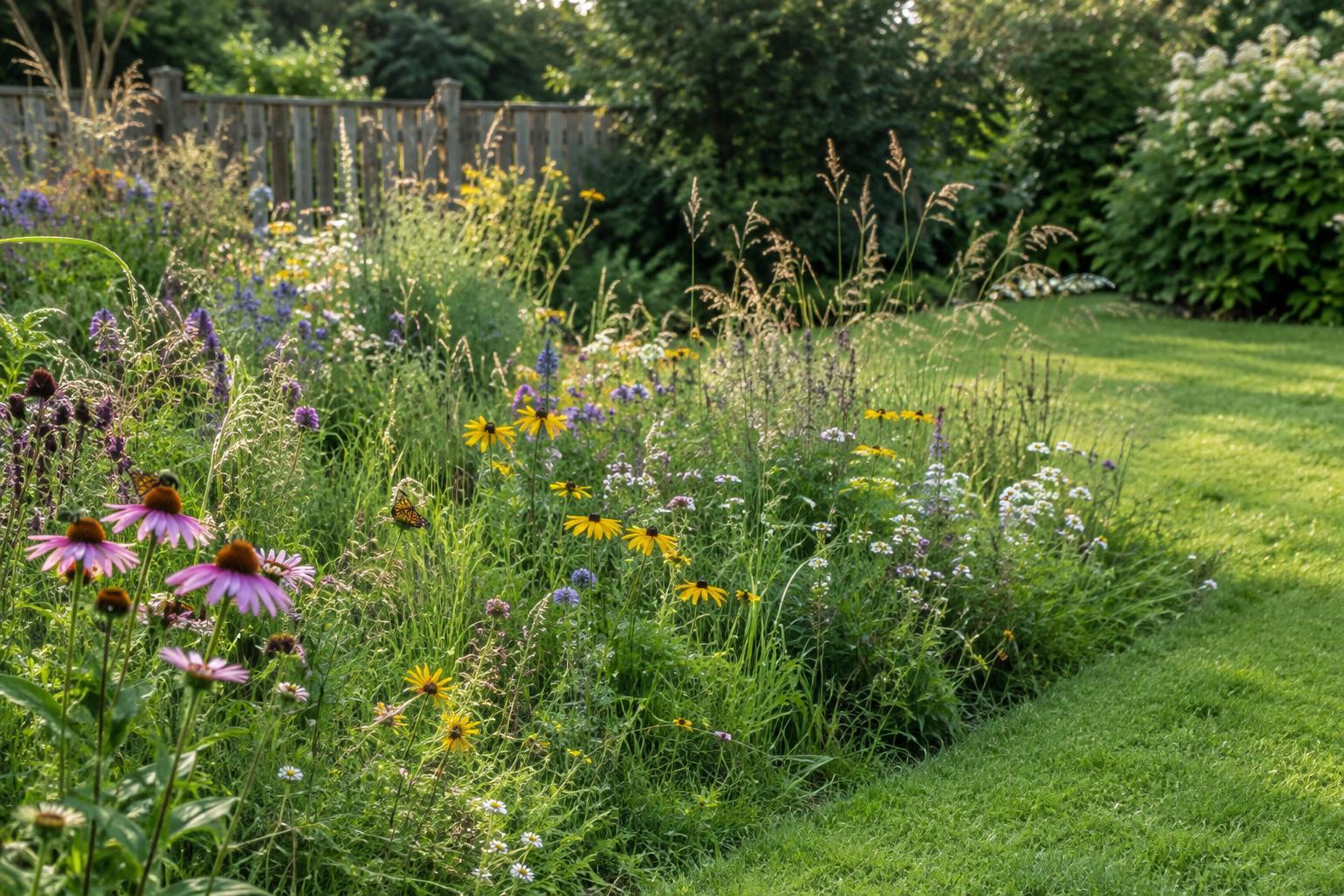
Dense planting works alongside these simple structures. Ground-cover plants, grasses and shrubs create layers that amphibians can move under while hunting small invertebrates. Choose plants suited to your climate and growing conditions; where practical, include species native to your area. There is no need to let the whole garden grow wild. Even one less-disturbed bed can make a difference to the amount of cover available.
Try a simple toad shelter
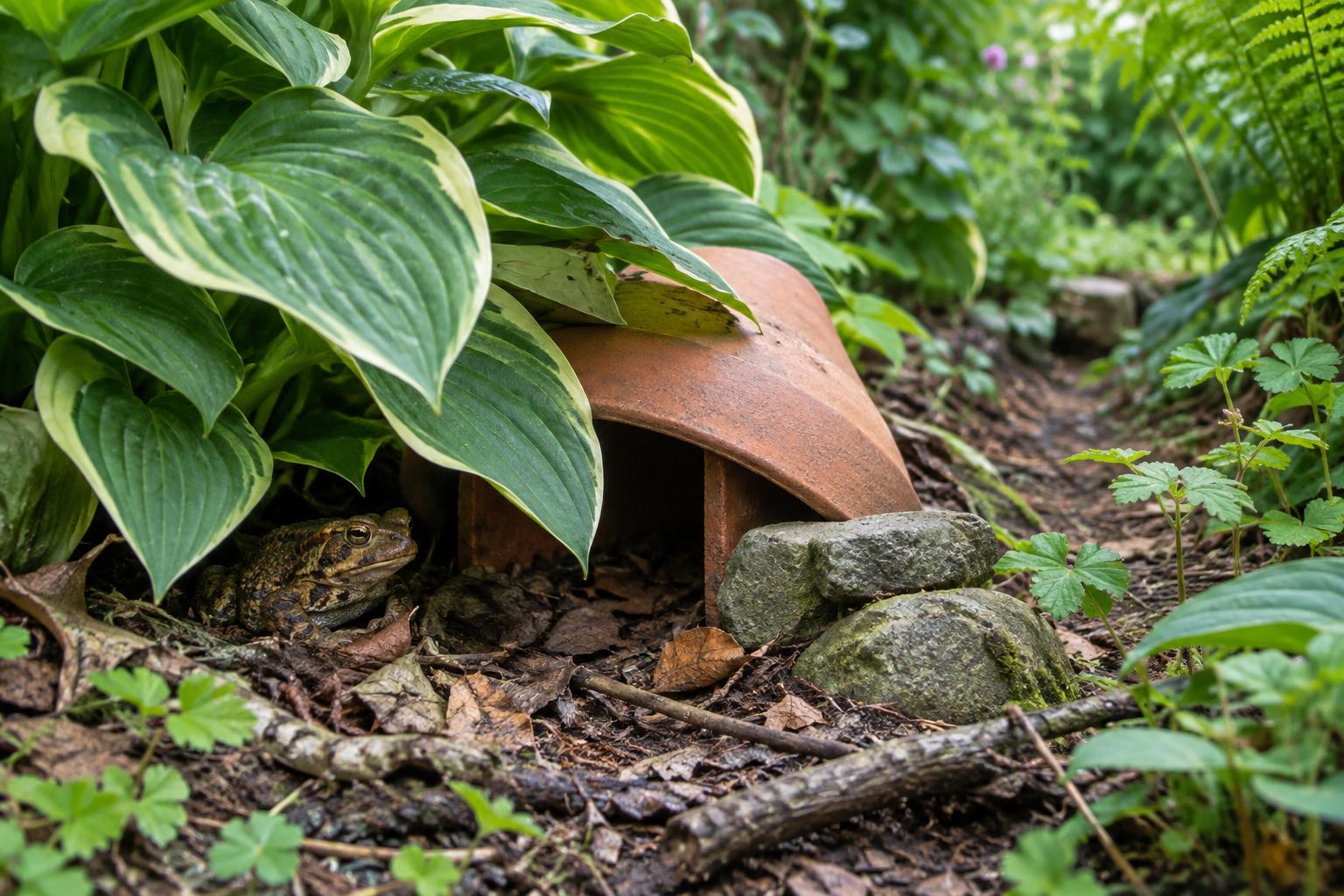
An unglazed clay pot can become a small shelter when laid on its side under planting, or placed upside down with a generous entrance gap at ground level. Set it on stable soil, check for sharp edges and leave room for an animal to enter and leave easily. Position it where it will stay shaded during the warmest part of the day. A pot in full sun may become hot and dry rather than protective.
A shelter does not need to look decorative or be checked often. Amphibians are more likely to benefit from a quiet refuge than one that is repeatedly lifted to see whether anything has moved in. If you need to work in that area, move loose materials slowly and look underneath before shifting them.
Keep routes through the garden safer
Shelter is most useful when animals can reach it. Check that deep containers, window wells and steep-sided drains do not become traps. Where appropriate, cover an opening or provide a secure, rough-textured way out. Keep low planting or other cover along the edges of paths so an amphibian does not have to cross a large stretch of bare, exposed ground.
Try to limit pesticide use in areas intended for wildlife, and avoid leaving garden chemicals, salty runoff or treated materials near shelters. Frogs and toads have sensitive skin, so simple habits matter: store products securely, follow their labels and keep shelter areas free of spills. If you put out a shallow dish of water, make it easy to enter and exit, and refresh and clean it regularly. A dish is optional; it does not replace breeding habitat.
Let the shelter change with the seasons
In cooler months, an undisturbed layer of leaves and well-sheltered soil may offer more protection than a tidy, empty bed. Leave some cover in place when cutting back plants, and check log piles, compost edges and thick vegetation before clearing them. During warm, dry periods, mulch and plant cover can help shaded soil retain moisture, though the best choices depend on your climate.
You do not need to introduce frogs or toads to the garden. Moving amphibians can harm the animals and may spread disease. Instead, maintain a few dependable refuges and allow local wildlife to find them on its own. Whether or not you spot a visitor, the same planting and lighter-touch maintenance can support a wider range of small garden life.