Look closely before you act
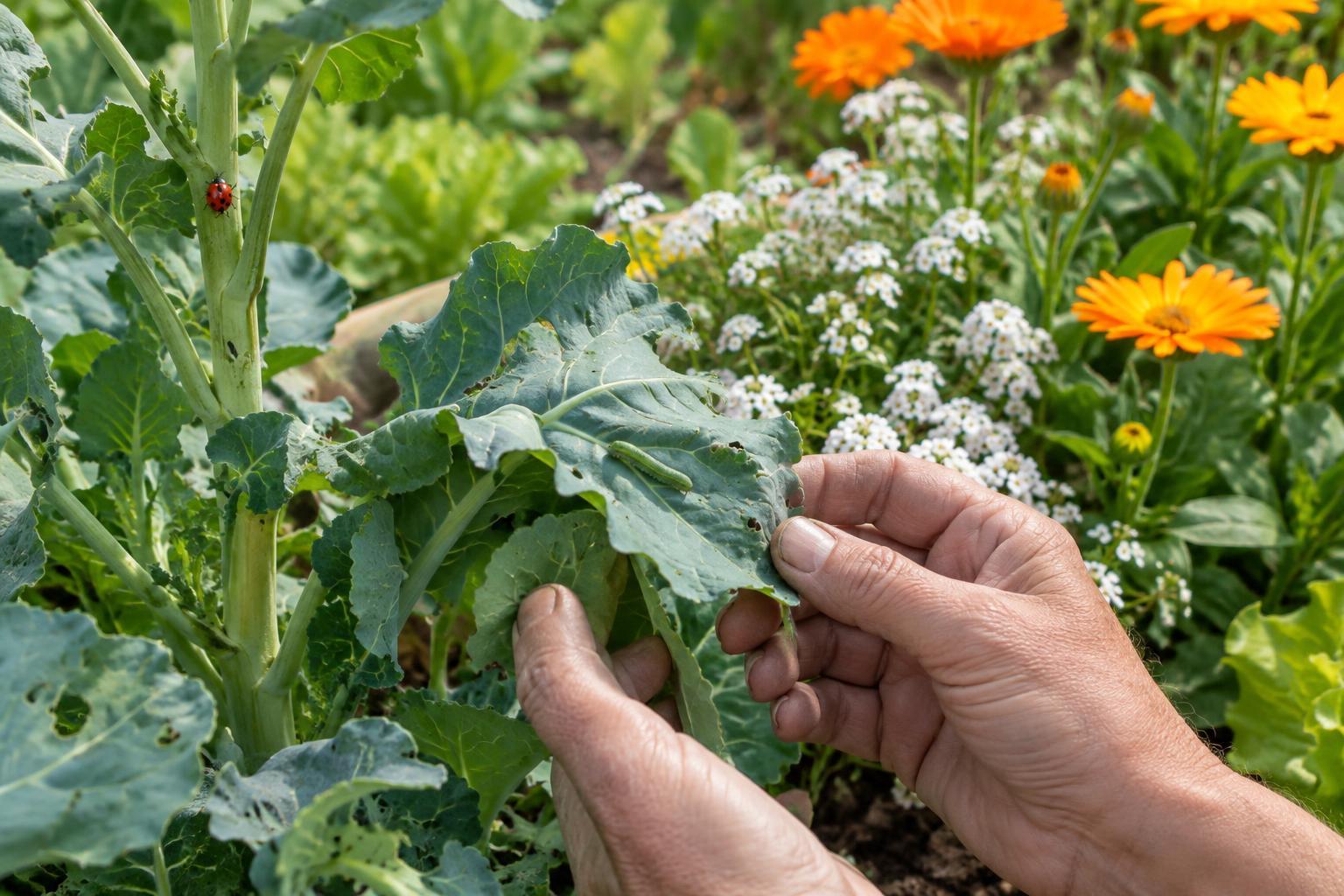
Holes in leaves, curled shoots and unfamiliar insects can make it tempting to treat a whole garden at once. Start by checking what is actually happening. Look at the undersides of leaves, new growth and the soil around affected plants. Note whether you see insects feeding, eggs, sticky residue or signs of disease. A visitor resting on a damaged leaf may not have caused the damage.
Identify the plant and the likely pest as specifically as you can before choosing a control. Insects change appearance as they grow, and some beneficial species look less familiar in their immature stages. Lady beetle larvae, for example, do not resemble the round adults. If identification is uncertain, observe the plant for a few days rather than making a broad treatment your first step.
Decide how much damage matters
A garden can tolerate some feeding without losing its value or appearance. A few holes in an established shrub may need no response, while damage to a young seedling can stop it from growing. The useful question is not simply whether a pest is present, but whether the damage is increasing and whether the plant can recover. Check the same plants regularly so you can spot a change rather than react to a single chewed leaf.
Your goal also matters. You may be willing to share leaves on an ornamental plant but less willing to lose a crop just as it develops. Even then, managing a pest rarely requires eliminating every insect. Leaving a little room for natural predators to find food can help make a wildlife-friendly garden more resilient over time.
Begin with small, physical controls
When action is needed, try the most direct option first. Pick larger pests off plants by hand where practical, remove heavily infested leaves, or use a gentle stream of water to dislodge clusters of soft-bodied insects. Check plants again afterward: these methods may need repeating, and a strong water jet can damage tender stems. Dispose of removed plant material in a way that will not spread the pest to nearby plants.
Barriers can protect vulnerable plants without treating every insect in the garden. Fine mesh or row covers can keep certain pests away from seedlings, provided the edges are secured and the cover does not trap pests underneath. Remove or adjust covers when plants need access to pollinators. Healthy growing conditions help, too: appropriate light, spacing, water and mulch reduce avoidable plant stress, though they cannot prevent every pest problem.
Make space for helpful insects
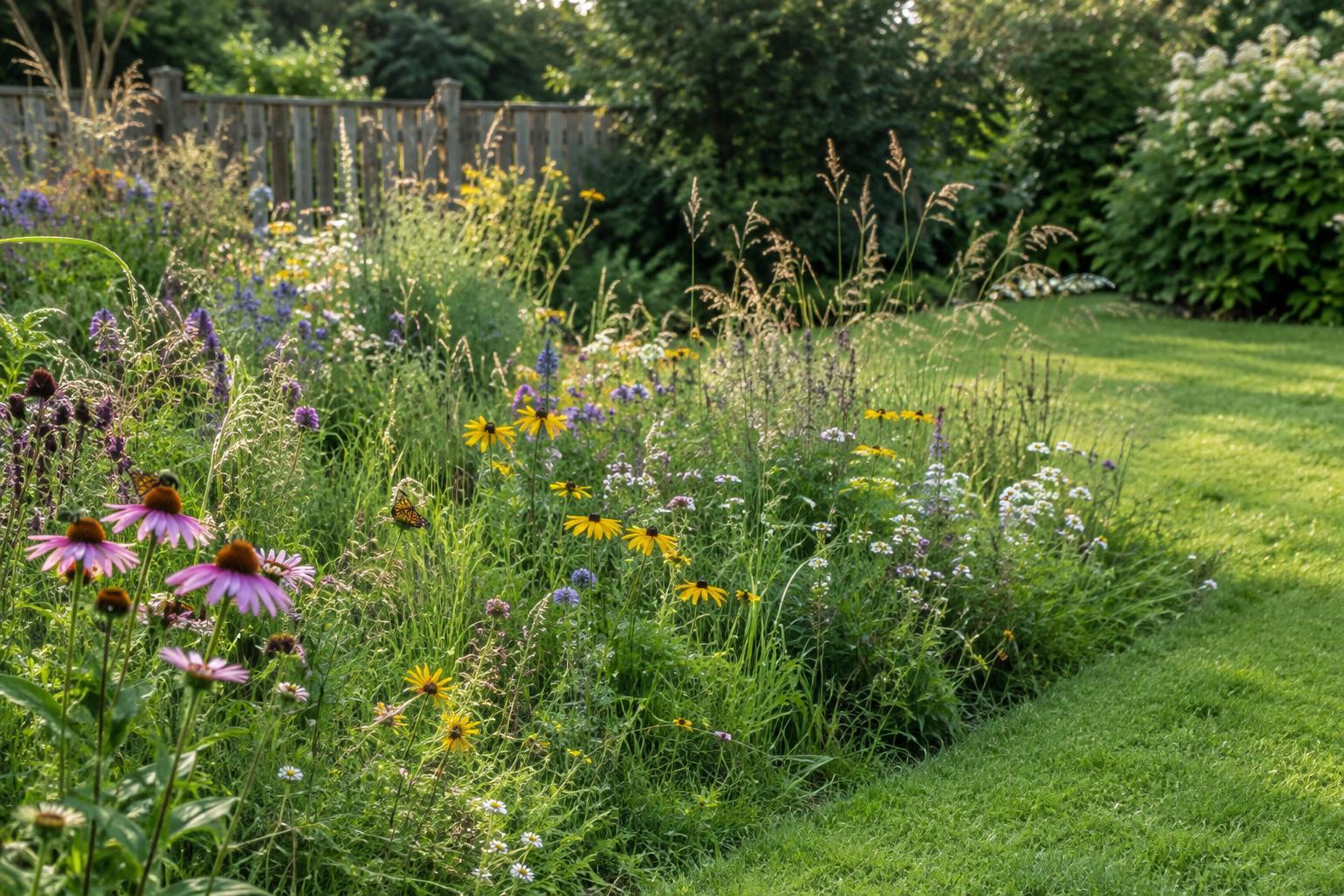
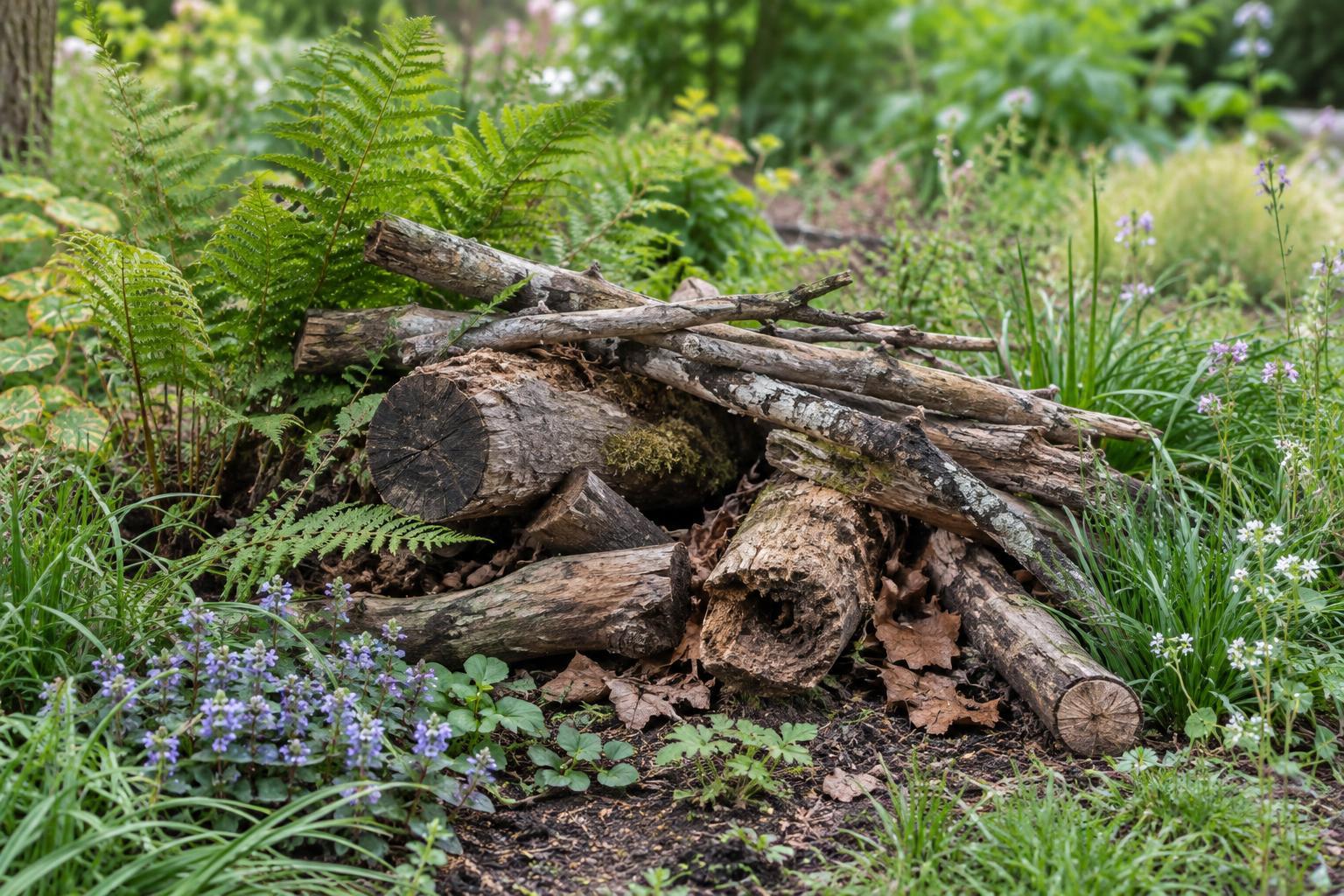
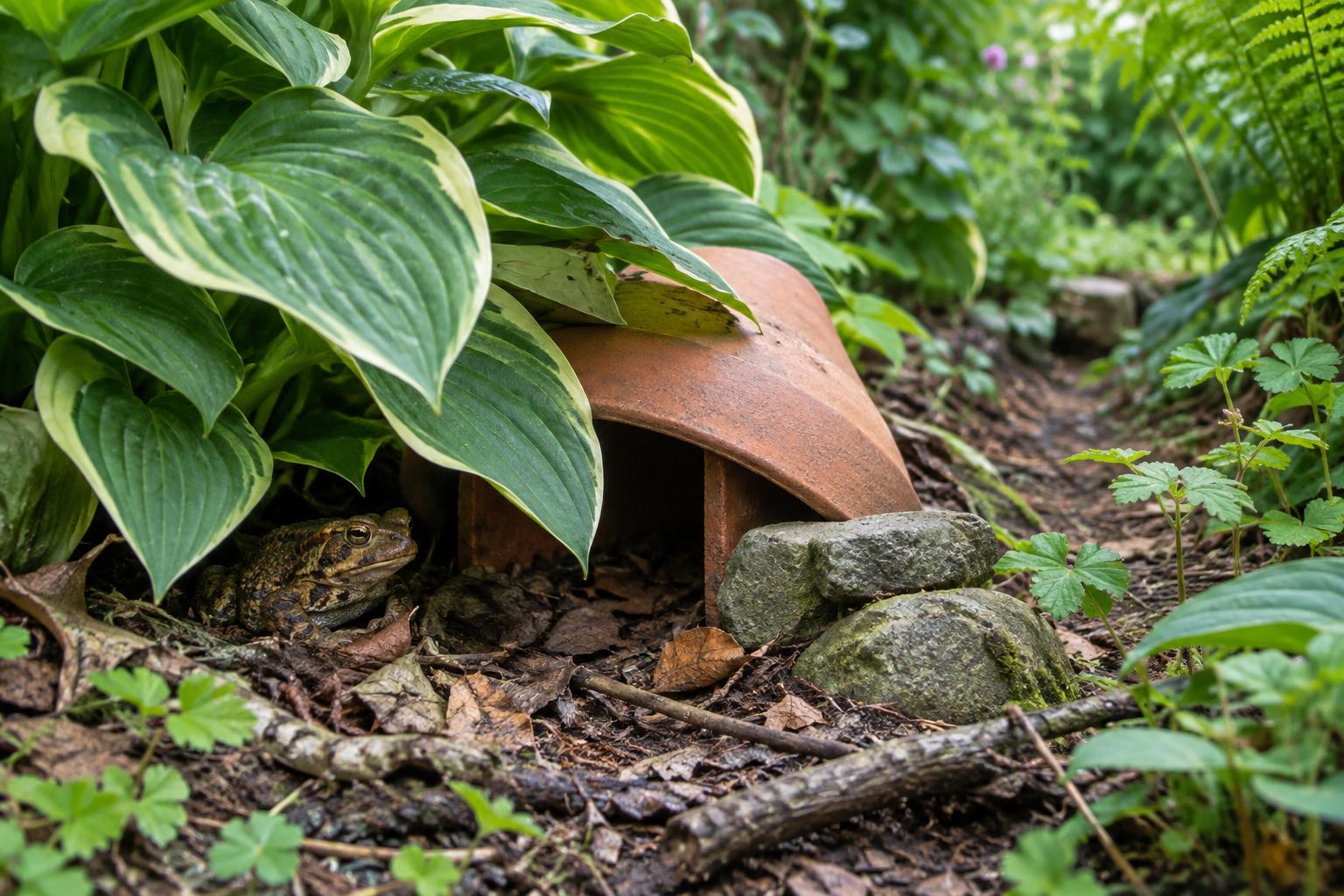
Many beneficial insects need more than prey to stay in a garden. A mix of flowering plants can offer nectar and pollen at different points in the growing season. Choose plants suited to your local conditions, and consider leaving some seed heads, leaf litter or undisturbed corners where appropriate. A shallow water source can help wildlife, but refresh it regularly so it does not become stagnant.
Diversity is more useful than relying on one supposed pest-repelling plant. Varying plant types and bloom times creates a range of places for insects to feed and shelter. Avoid treating flowers when pollinators are visiting, and remember that a predator may arrive after a pest population appears. Watching for hoverflies, lacewings, lady beetles and other garden visitors can give you a better picture of what is already helping.
Use treatments only when they are justified
If physical controls are not enough, choose a treatment for the identified pest and the plant being affected, rather than using a general-purpose spray across the garden. Products described as natural can still harm beneficial insects, especially through direct contact. Insecticidal soaps and oils, for instance, may affect insects they touch and can injure some plants if used incorrectly. Follow the product label, including directions for use, plant suitability and precautions around pollinators.
Treat only the affected area when the label permits it, and avoid spraying insects you want to protect. Recheck the plant afterward instead of assuming one application solved the problem. Seasonal changes, plant growth and returning pests may call for a different approach next time. A careful cycle of observing, acting narrowly and checking again protects useful insects while giving your plants the attention they need.