Plan the patio before breaking ground
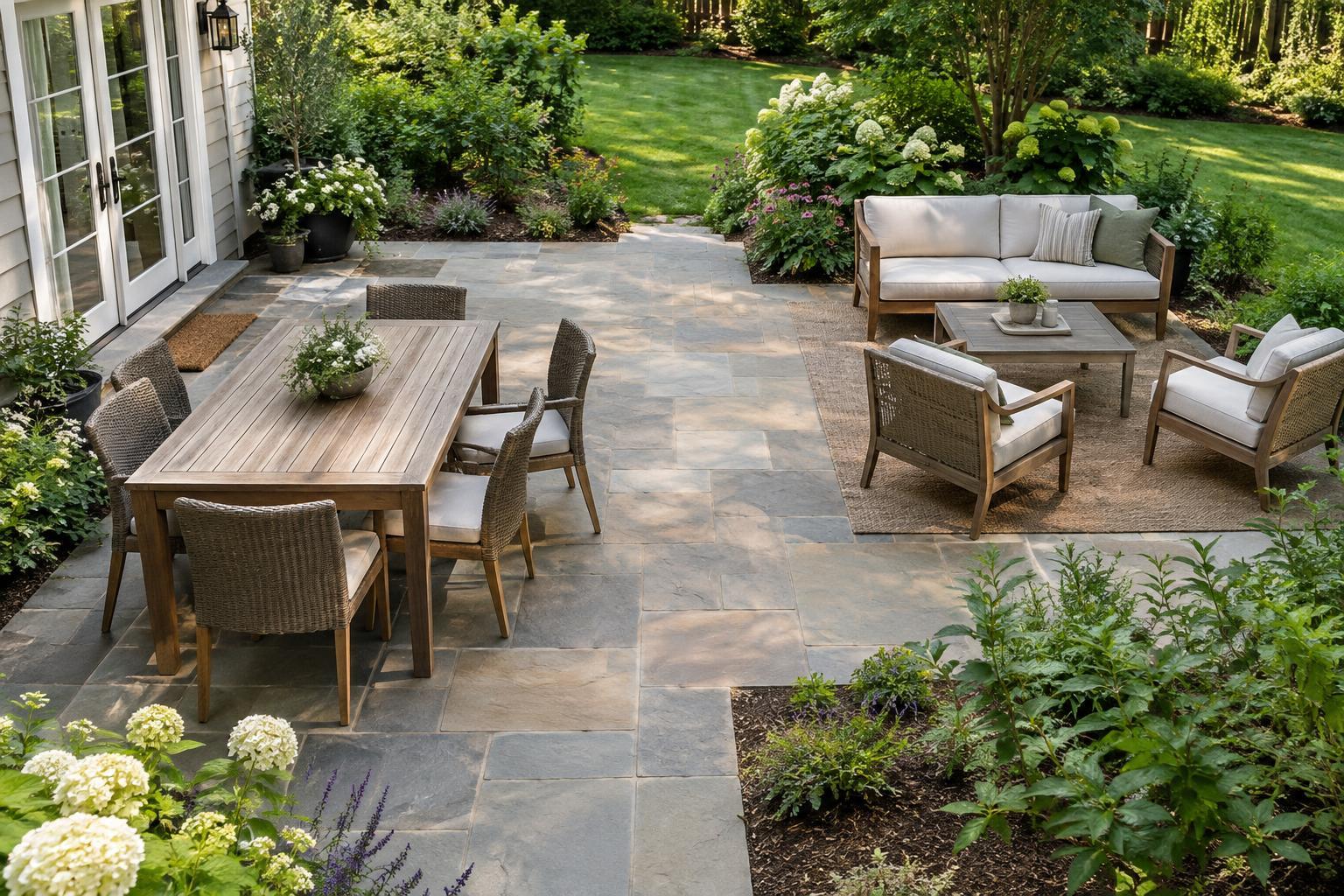
A stable patio depends on more than flat-looking ground. Its base must support foot traffic, shed water and keep the pavers from shifting as the soil gets wet and dries out. Start by marking the patio outline with stakes and string. Check that the space will accommodate furniture and walking routes, then identify the finished height where the patio meets a door, path or lawn.
Plan a gentle fall away from the house rather than a perfectly level surface. A slope of about 1/4 inch per foot is a common starting point for surface drainage, but the site and the paver system may call for a different approach. Make sure runoff has somewhere suitable to go; do not direct it toward a neighbor’s property or trap it against a wall. Before digging, arrange for underground utilities to be located and check any local requirements that apply to the project.
Work out the depth and excavate
Measure down from the planned finished surface to set your excavation depth. Allow for the thickness of the pavers, roughly 1 inch of bedding material and the compacted base beneath it. For a patio used mainly by pedestrians, a compacted aggregate base around 4 to 6 inches thick is often a starting point. Soft ground, frequent freeze-thaw conditions or heavier loads may require a deeper base or a different design. Follow the paver manufacturer’s guidance where it differs.
Remove grass, roots, topsoil and other loose material across the whole area. Excavate far enough beyond the patio outline to support the edge restraints as well as the pavers. As you dig, keep checking the intended slope with string lines and a level. The exposed soil, called the subgrade, should feel firm underfoot. If you find a soft pocket, remove the unstable material and replace it with suitable compactable aggregate rather than burying the problem.
Build and compact the aggregate base
Use a graded, angular crushed-stone base intended for pavers. Its mix of stone sizes locks together when compacted; rounded pea gravel tends to move instead. On fine or soft soil, a suitable geotextile fabric may help keep the soil and aggregate from mixing. It does not replace proper excavation or compaction, and impermeable plastic is not a substitute for a draining base.
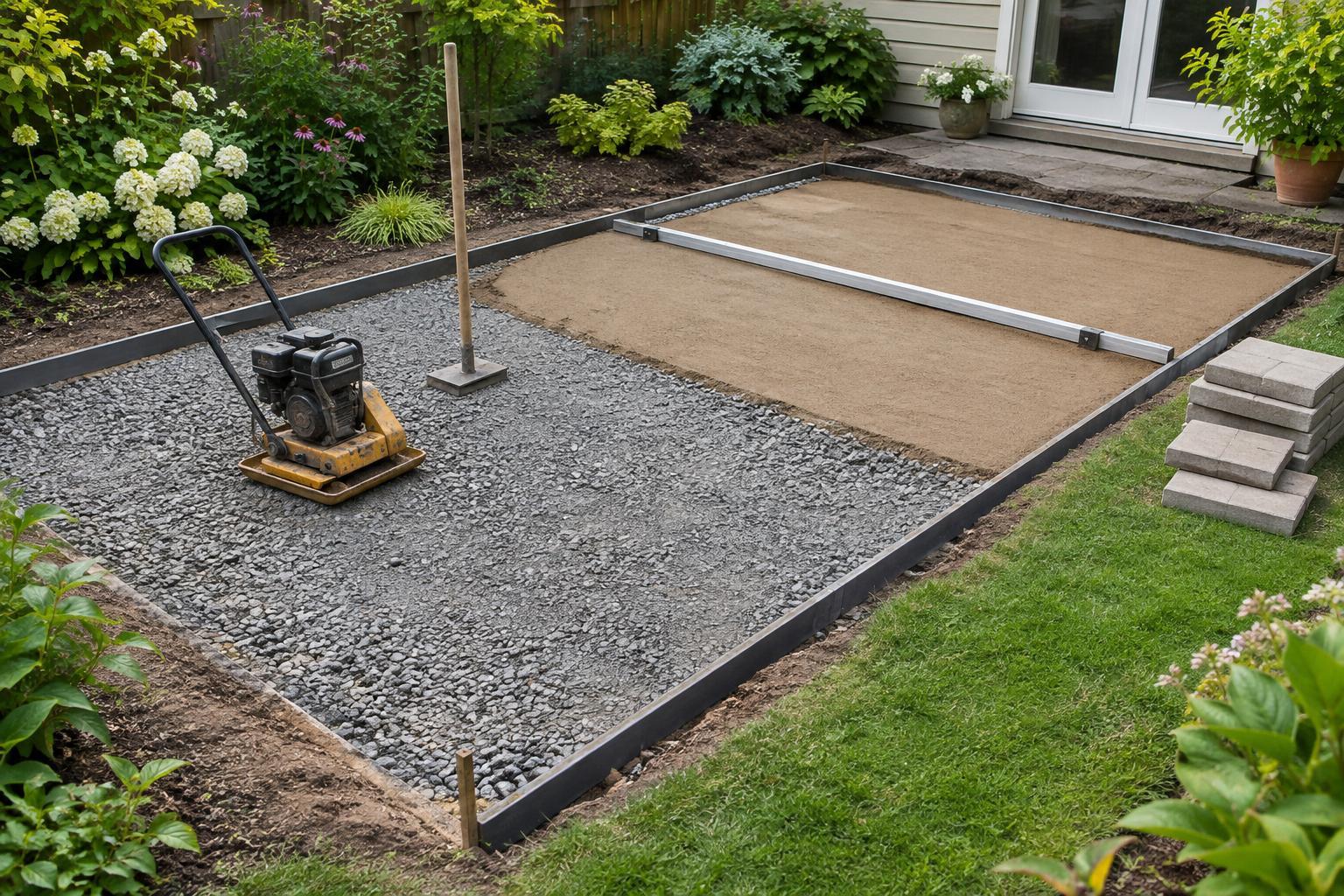
Spread the aggregate in thin layers rather than filling the excavation at once. Compact each layer with a plate compactor, adding material where needed to maintain the planned slope. A light mist of water can help some aggregates compact, but the material should not be saturated. Continue until the compacted base is firm and even, with no obvious footprints or rocking underfoot. Check several points against your string lines: small errors here are difficult to hide with the bedding layer.
Screed a consistent bedding layer
The bedding layer gives pavers a uniform surface; it is not meant to correct dips in the base. For a conventional sand-set patio, use bedding sand specified for the pavers, then screed it to an even thickness of about 1 inch. Straight pipes or rails can guide a straightedge across the surface. Fill the shallow grooves left when you remove the guides, and avoid walking on the prepared sand.
Do not compact a thick pile of bedding sand in place of a missing aggregate base. That extra sand can settle unevenly and leave low spots. If a section of the base is too low, lift that area with more aggregate and compact it before screeding again. Permeable paver systems often use different, open-graded stone layers instead of conventional bedding sand, so follow the specifications for the system you have chosen.
Secure the edges and finish carefully
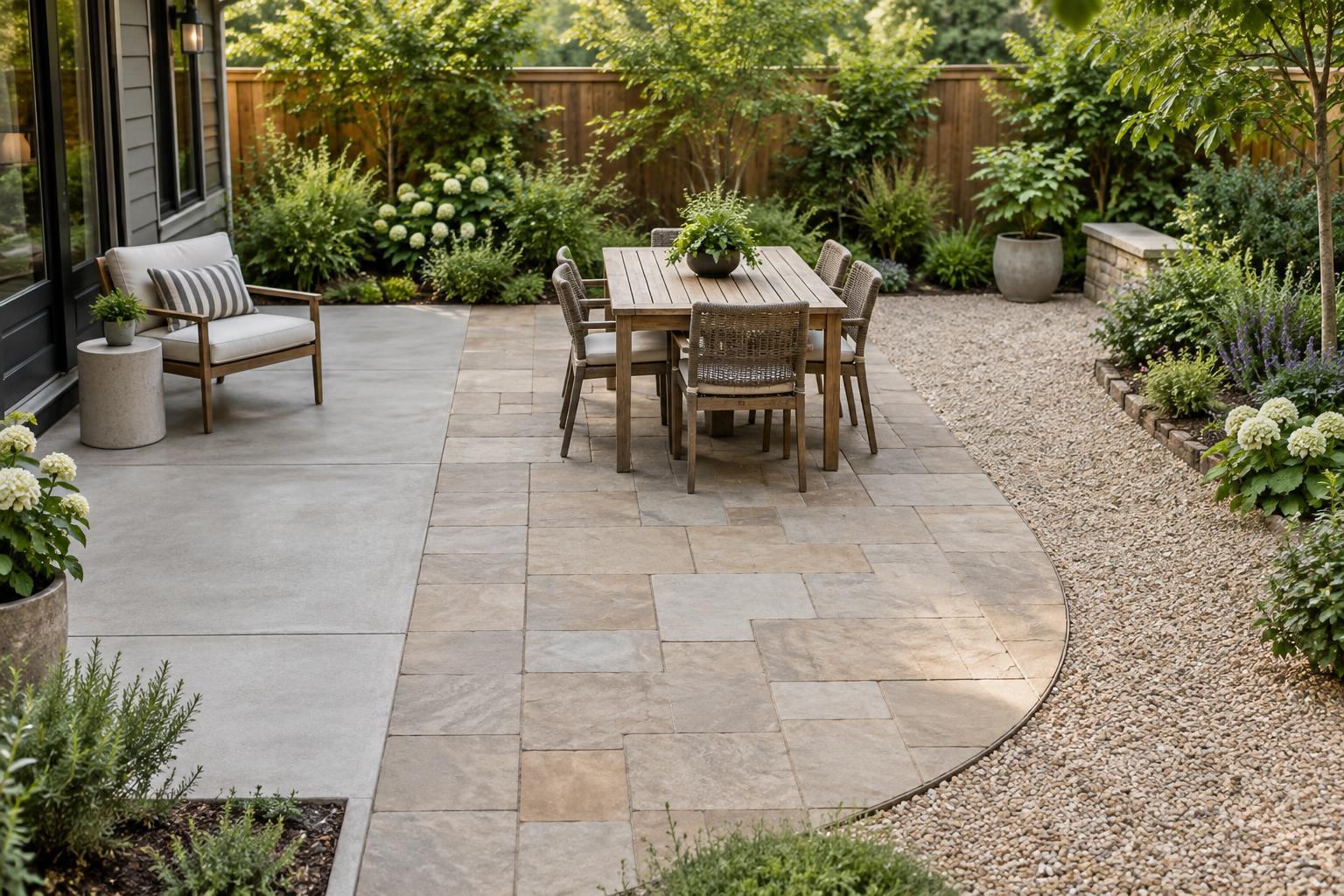
Lay pavers from a straight edge without disturbing the bedding, checking alignment and slope as you work. Install edge restraints suited to the paver system and anchor them into the prepared base. Without firm edges, even a well-compacted patio can spread outward over time. After laying the pavers, fill the joints with the specified jointing material and complete any final compaction according to the manufacturer’s instructions.
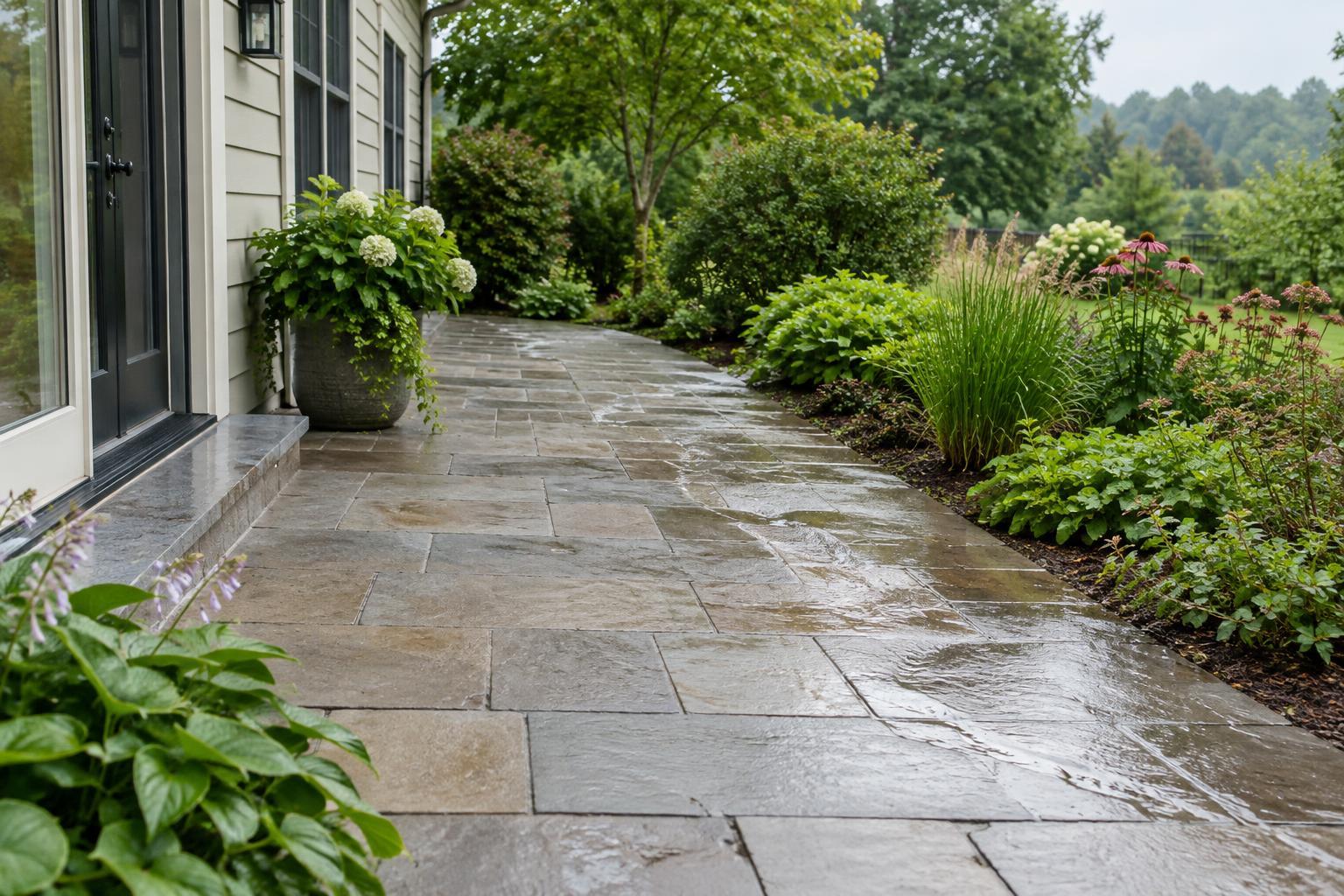
Before moving furniture onto the patio, pour a little water over several areas and watch where it travels. Persistent puddles or water heading toward the house may point to a grading problem worth fixing now. A careful base takes more effort than laying pavers on bare soil, but it makes the visible surface easier to install and easier to maintain.