Know what the box is for
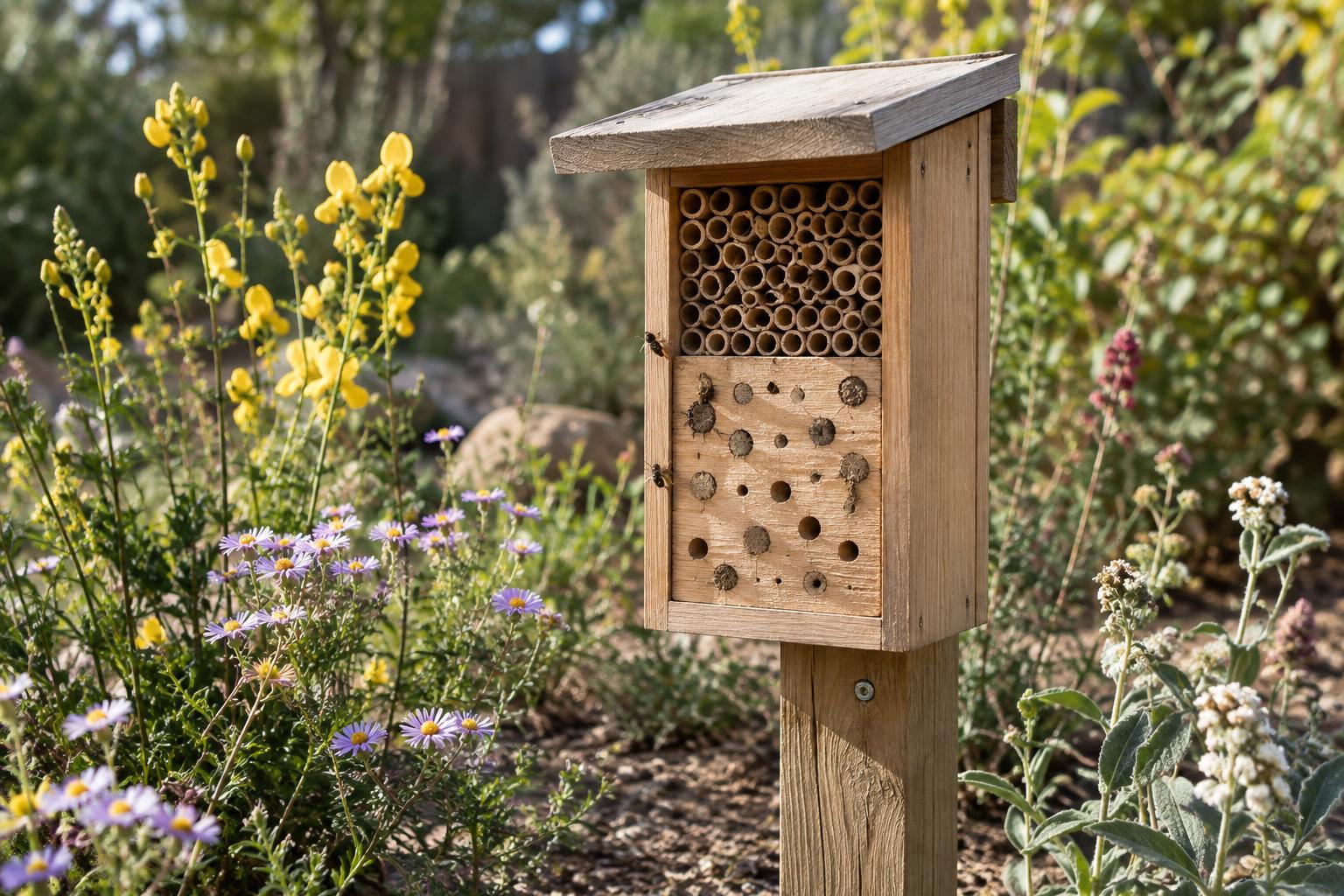
A solitary bee nest box provides tunnels where certain bees can lay eggs and store food for their young. It is not a hive, and it will not suit every bee you see in the garden. Many solitary bees nest in the ground or in plant stems rather than in a box. A nest box is best treated as one small part of a wildlife-friendly space, not a substitute for flowers and undisturbed nesting areas.
Choose a well-made box with closed-back tunnels that are smooth inside and protected from rain. Different tunnel widths may appeal to different cavity-nesting species. Avoid rough holes, splintered bamboo, and open-ended tubes: exposed or damaged tunnels can leave developing bees vulnerable. A box with replaceable paper liners, tubes, or removable nesting blocks is easier to maintain than one that cannot be opened or renewed.
Find a dry, stable position
Attach the box firmly to a wall, fence post, or other stable support so it does not swing in the wind. Put it somewhere that stays reasonably dry, with the tunnel openings unobstructed and a roof or overhang to help shed rain. A spot that gets morning sun is often useful because it warms the entrances without necessarily exposing the box to the hottest part of the day. In a very hot climate, prioritize protection from prolonged afternoon heat; in a cool or damp setting, prioritize warmth and shelter.
Place the box where you can observe it without brushing past or moving it regularly. Keep it above splashing soil and away from sprinklers. If birds begin pecking at the entrances, a securely attached guard set forward of the tunnel openings may help, provided bees still have a clear flight path. Once bees start using the box, leave it in place through the nesting season.
Make the surrounding garden useful
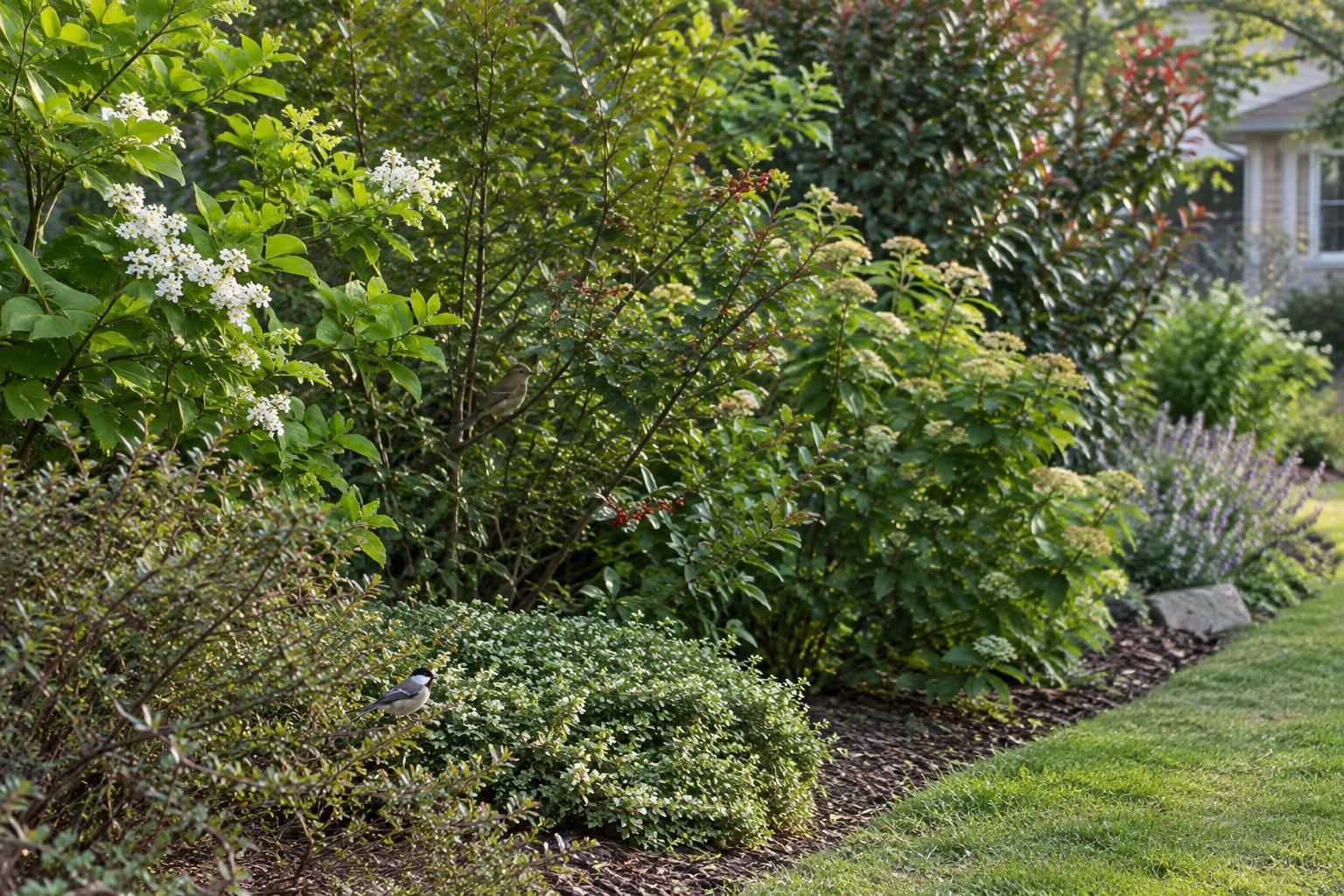
A box works best when bees can find food nearby. Grow a variety of flowering plants so blooms are available across the growing season in your area. Include plants suited to your local climate and, where possible, native species that support local wildlife. Groups of the same flower can be easier for foraging bees to use than single plants scattered far apart.
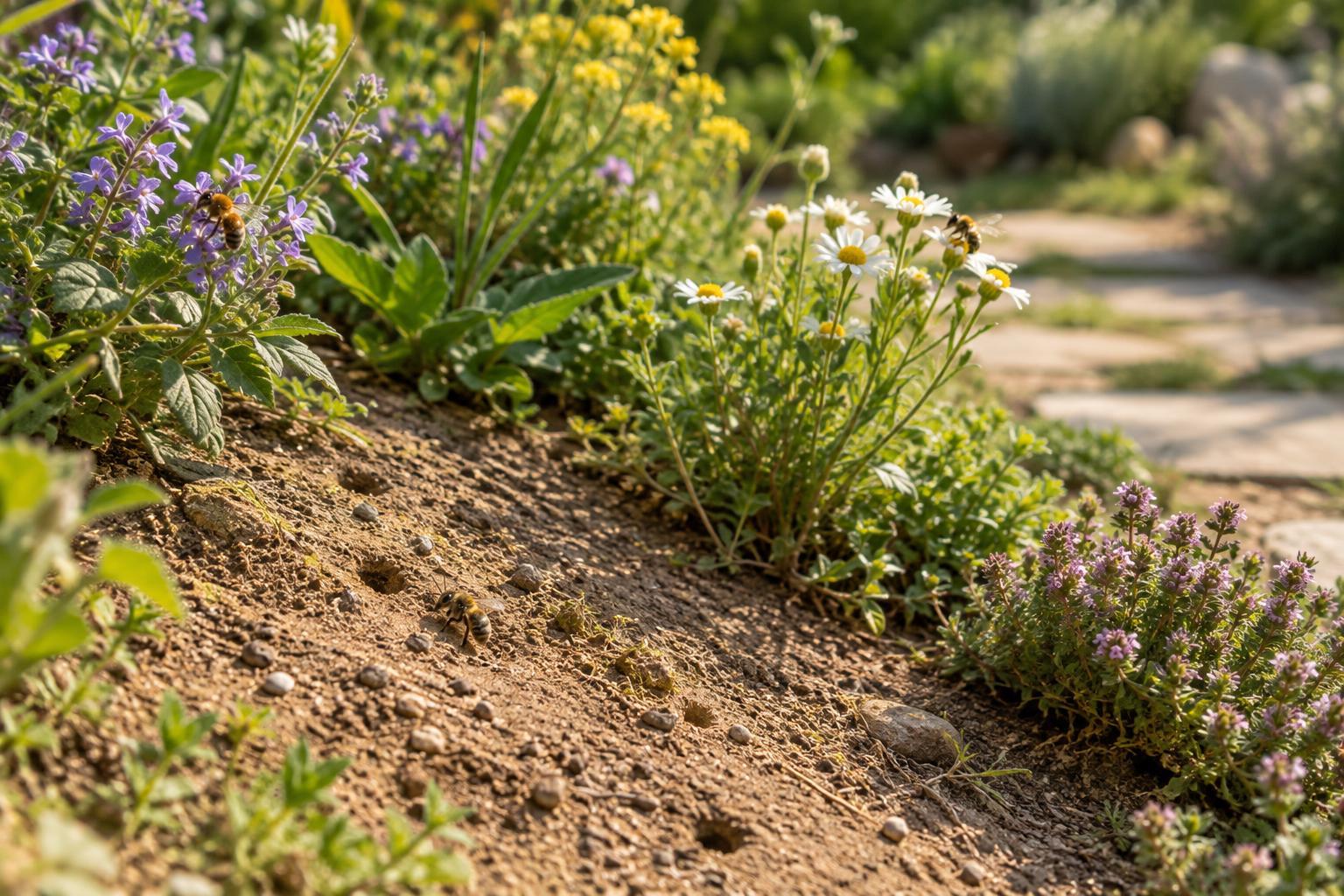
Offer more than one kind of nesting opportunity. Leave some hollow or pithy stems standing, retain a little dead wood where it is safe to do so, and keep a patch of bare, well-drained ground for bees that nest in soil. Avoid spraying pesticides on or near the box and on flowers bees are visiting. If garden work is needed nearby, work gently and keep the nest entrances clear.
Watch for activity without opening nests
You may see bees carrying pollen or bits of nesting material into the tunnels. Completed entrances may be sealed with mud, leaves, or other materials, depending on the bee. Resist the urge to open a sealed tunnel to check progress: developing bees need to remain protected until they emerge. An unused box is not necessarily a failed one; suitable local bees may prefer other nesting sites, and use can vary from one season to the next.
Check the outside periodically for loose fixings, blocked entrances, water damage, or obvious mold. Make small repairs only when they will not shake or open occupied tunnels. If a box repeatedly gets wet, plan to move or replace it after its occupants have emerged rather than relocating it midseason.
Refresh the box at the right time
Nest boxes can accumulate pests and pathogens when old nesting material remains in place year after year. The simplest approach for many gardeners is to use replaceable tubes or liners and renew them after the bees have emerged. Emergence timing varies by species and climate, so do not assume that every sealed tunnel is empty at the first sign of spring. Avoid bringing an occupied box into a heated room over winter, which can disrupt its seasonal cycle.
Follow the box maker’s directions for removable trays or blocks, and avoid digging out sealed cells. If you cannot tell whether tunnels are occupied, leave them undisturbed and provide fresh nesting space alongside them. Replace damaged, persistently damp, or heavily fouled materials once they are empty. Good maintenance is less about making the box look tidy and more about keeping nesting spaces dry, sound, and safe for the next occupants.