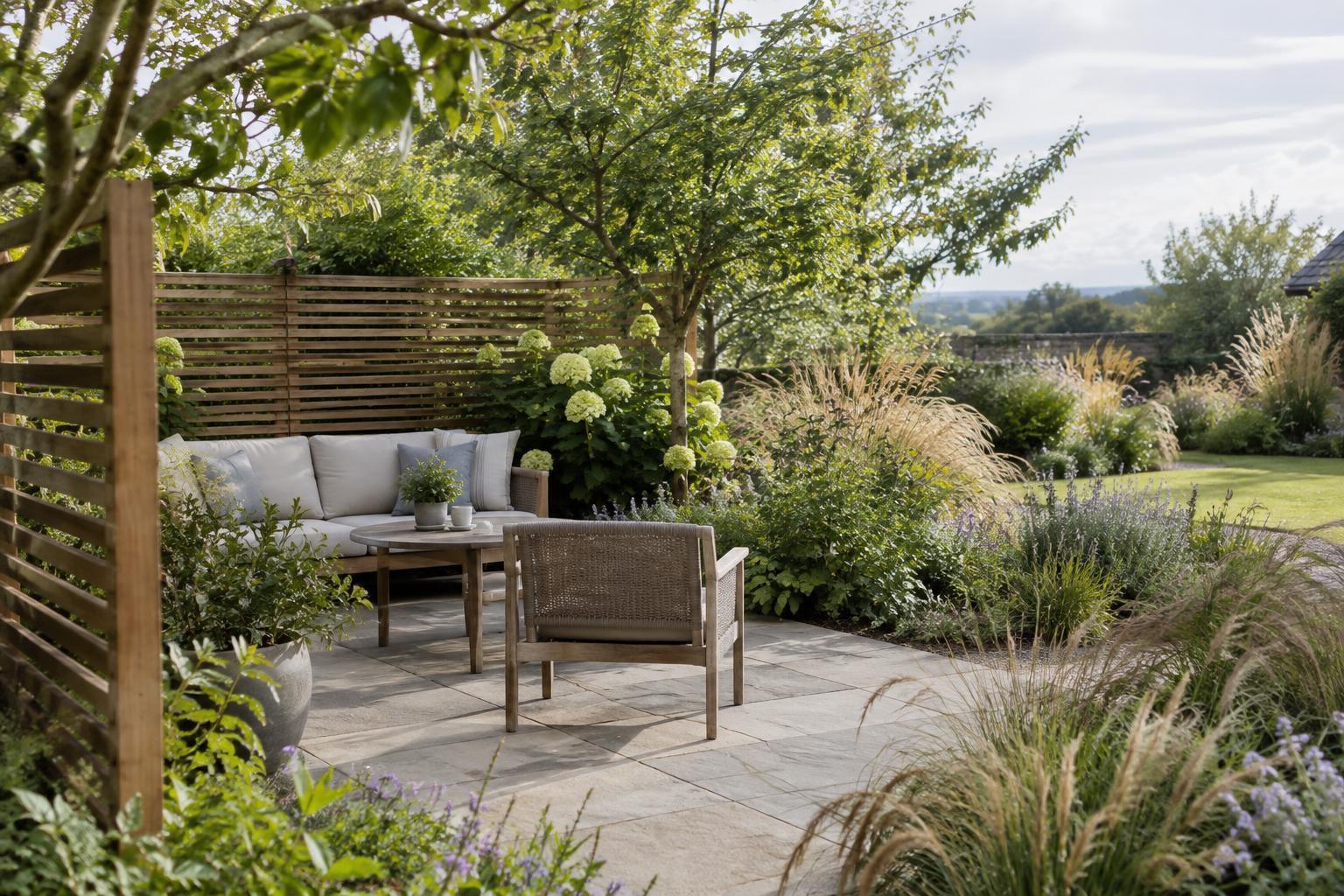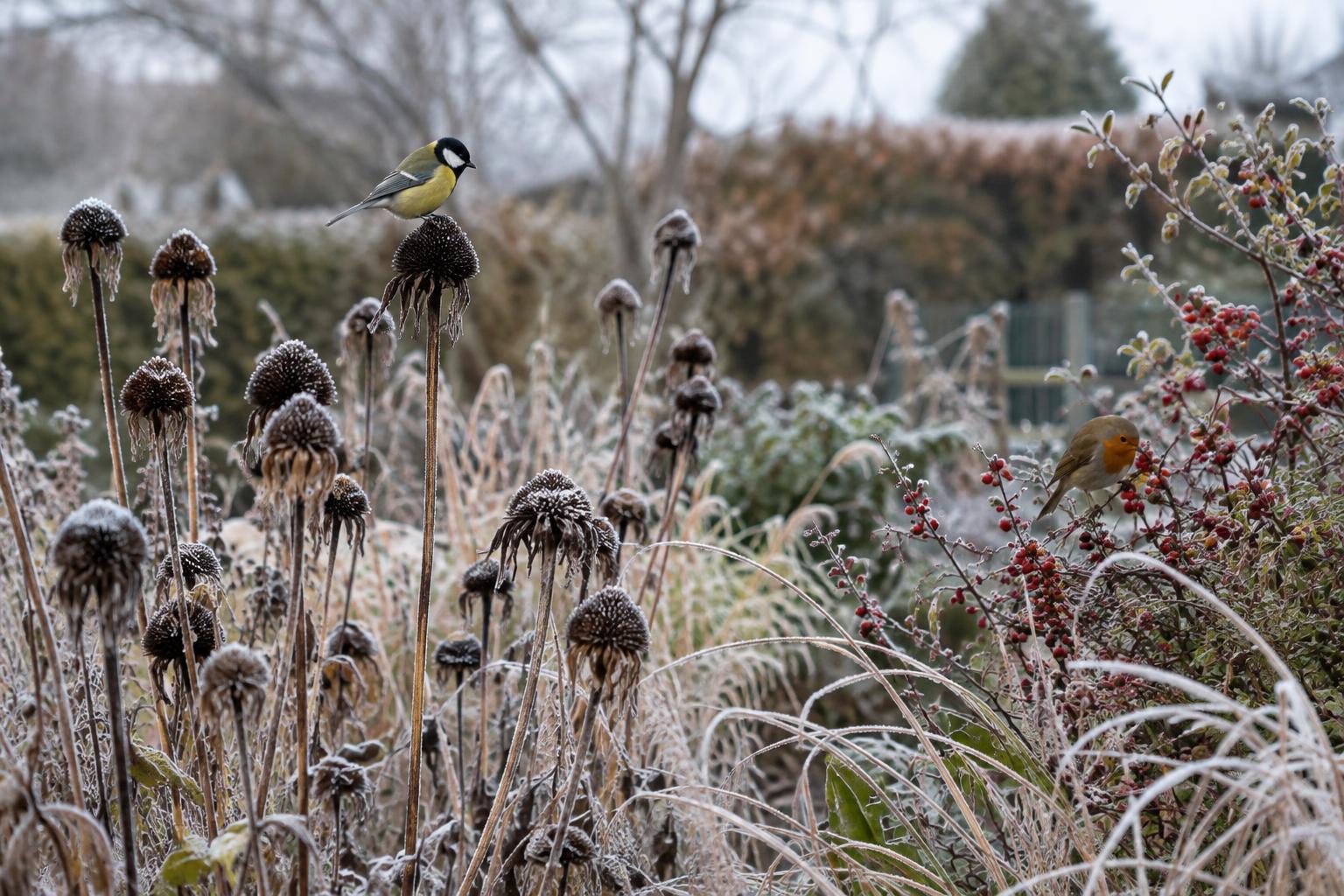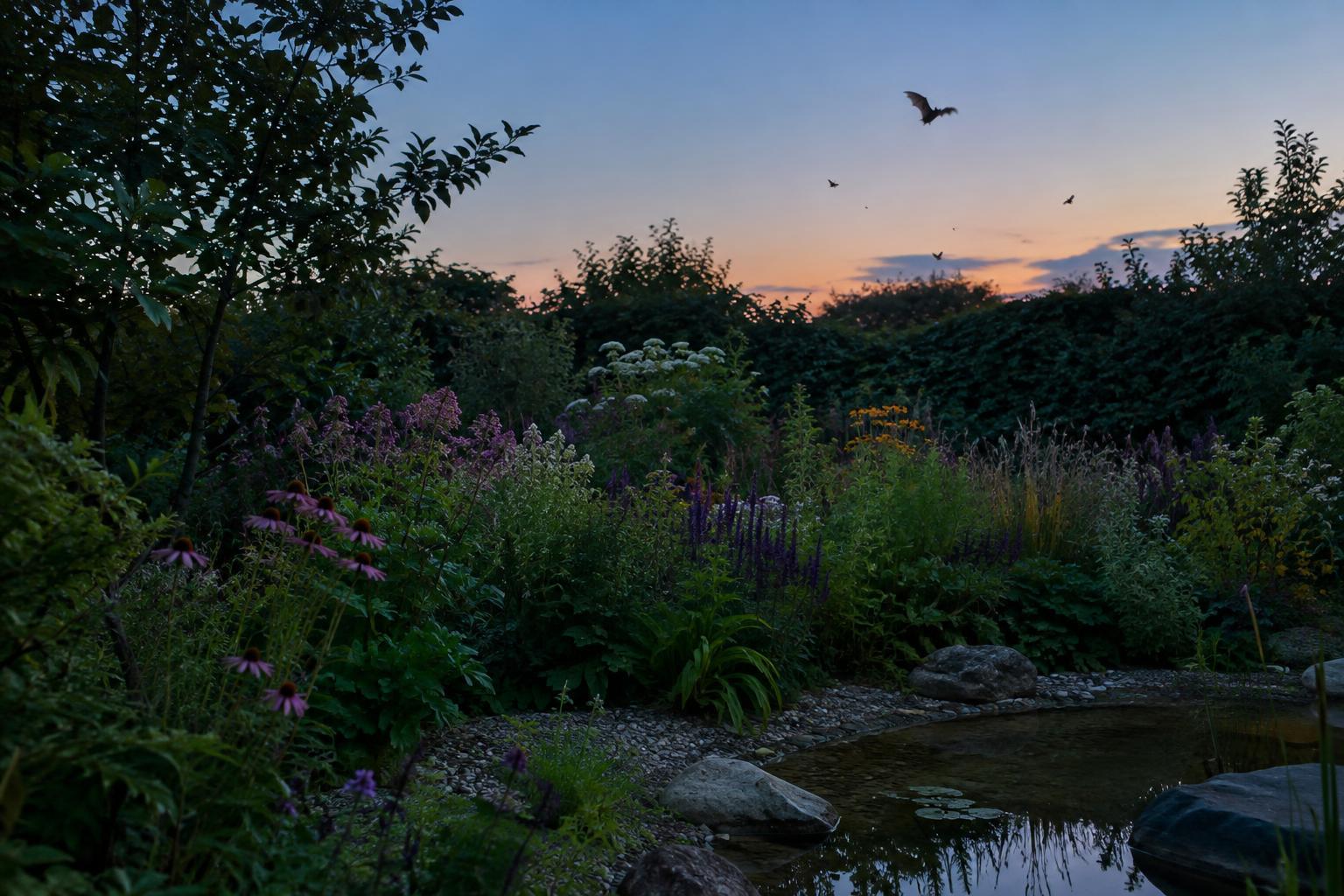
Start with the route, not the hole
A garden fence may keep a dog in or provide privacy, but a continuous barrier can also make it harder for small ground-dwelling animals to move between places to feed and shelter. Before changing a fence, look at what lies on both sides. A passage is most useful when it connects welcoming spaces, such as planted borders, shrubs or quiet corners, rather than leading straight onto a road, into a pool area or toward another obvious hazard.
Spend a little time observing the boundary. Gaps beneath a gate, worn paths through planting and signs of digging can suggest where animals already try to pass. You do not need to identify every visitor to plan thoughtfully. The aim is to preserve a usable route where it makes sense, not to make every part of the boundary open. If the fence is shared, belongs to a neighbor or forms part of a managed boundary, get permission before altering it.
Choose a change that suits the fence
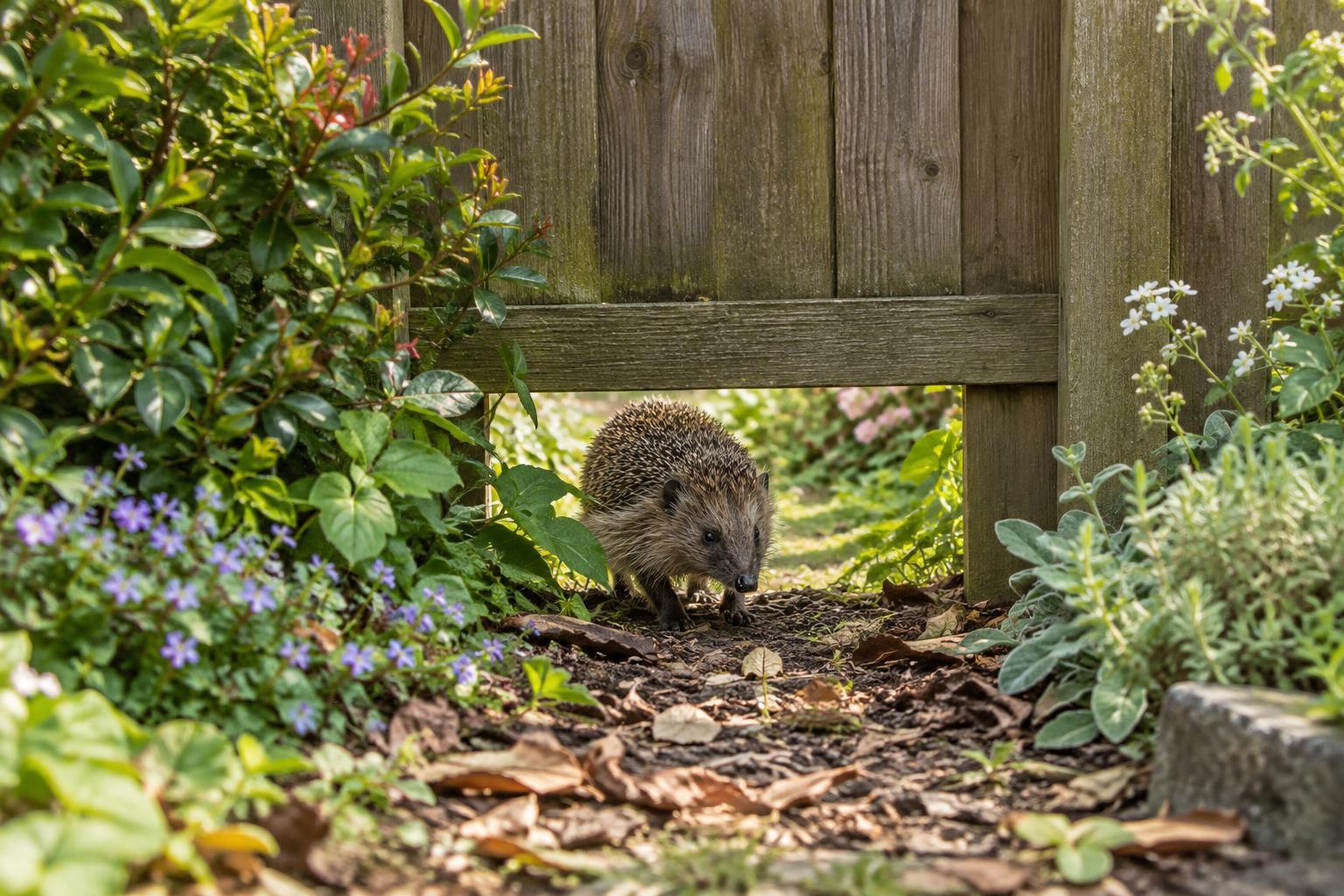
For a solid wooden fence, a small opening near ground level is one option. Place it in a sound section, away from posts and major supports. Mark the opening, check both sides for hidden obstacles, and use tools appropriate to the fence material. Smooth rough edges so an animal is less likely to catch fur or skin. An existing gap under a gate may need only to be kept clear of stored pots, loose soil or dense netting.
Some boundaries are better left intact. Cutting a metal panel, masonry wall or structural part of a fence can create sharp edges or weaken the boundary. If you are unsure how a change will affect stability, choose a less intrusive option or seek help from someone experienced with that material. A removable panel or purpose-made wildlife passage may be easier to maintain than an improvised cutout.
There is no single opening size that suits every animal or garden. Think about the small wildlife found in your area, and check relevant local guidance if you are making a passage for a particular species. Keep the opening low and unobstructed for ground-dwelling visitors, while making sure it cannot become a route for pets that must remain contained.
Balance access with safety at home
Check a proposed passage from a pet’s point of view before making it permanent. A determined dog may enlarge a weak gap, and a small pet may fit through an opening that looks too narrow at first glance. If containment is essential, do not compromise it for a wildlife passage. You may be able to improve habitat within the garden instead, or discuss a safer connection along another boundary.
Look for hazards immediately beside the crossing. Avoid placing it next to a deep drain, exposed wire, loose mesh or a steep drop. If you use a short guide made from planting or edging, leave enough clear space for an animal to enter and turn without being trapped. Do not add flaps or complex covers unless you can be confident they move freely and will not pinch or block visitors. A simple, visible opening is often easier to inspect and maintain.
Make the space beyond the fence worth reaching
A passage works best as part of a connected garden. Planting along the fence can offer cover on the approach, while a mix of groundcover, shrubs and less frequently disturbed areas gives visitors places to explore. In a tidy garden, even a small planted strip can provide a gentler route than bare paving. Keep any new plants from growing across the opening, and avoid placing a feeder right beside it if that would draw animals into conflict with pets.
Consider other barriers in the same route. An animal that gets through the fence may still meet a raised retaining edge, tightly fitted gate or continuous wall farther along. You cannot control every neighboring space, but you can make your own side easier to navigate. Where a fence separates two gardens, a conversation with the neighbor may reveal a better location for a shared passage.
Inspect the passage as the garden changes
After making a change, check that the edges stay smooth and the fence remains firm. Soil can build up beneath panels, plants can cover an opening, and seasonal maintenance can accidentally close a route. Include a quick look at the passage when you weed or inspect the fence. If you notice that it leads animals toward a new hazard, block it safely and reconsider the location.
You may not see wildlife use the passage, especially if visitors move through when the garden is quiet. That does not mean you need a larger opening or several more. Start with one suitable connection, keep it clear, and let the surrounding habitat develop. A useful wildlife-friendly boundary is one that allows thoughtful movement while still doing the job your household needs it to do.