Why feeder hygiene matters
A feeder brings birds together in a small space. They may perch on the same surfaces, reach into the same openings and leave droppings near food. Damp seed, crowded perches and piles of spilled food can make a feeding area less healthy. Regular maintenance cannot remove every risk, but it can reduce the places where contamination builds up.
Start with a routine you can sustain. Check feeders whenever you refill them, and plan to wash them regularly rather than waiting until they look dirty. Clean more often during wet weather, when food spoils quickly, or when many birds are visiting. A small number of well-kept feeders is usually easier to manage than more feeders than you have time to clean.
Empty, wash and dry feeders thoroughly
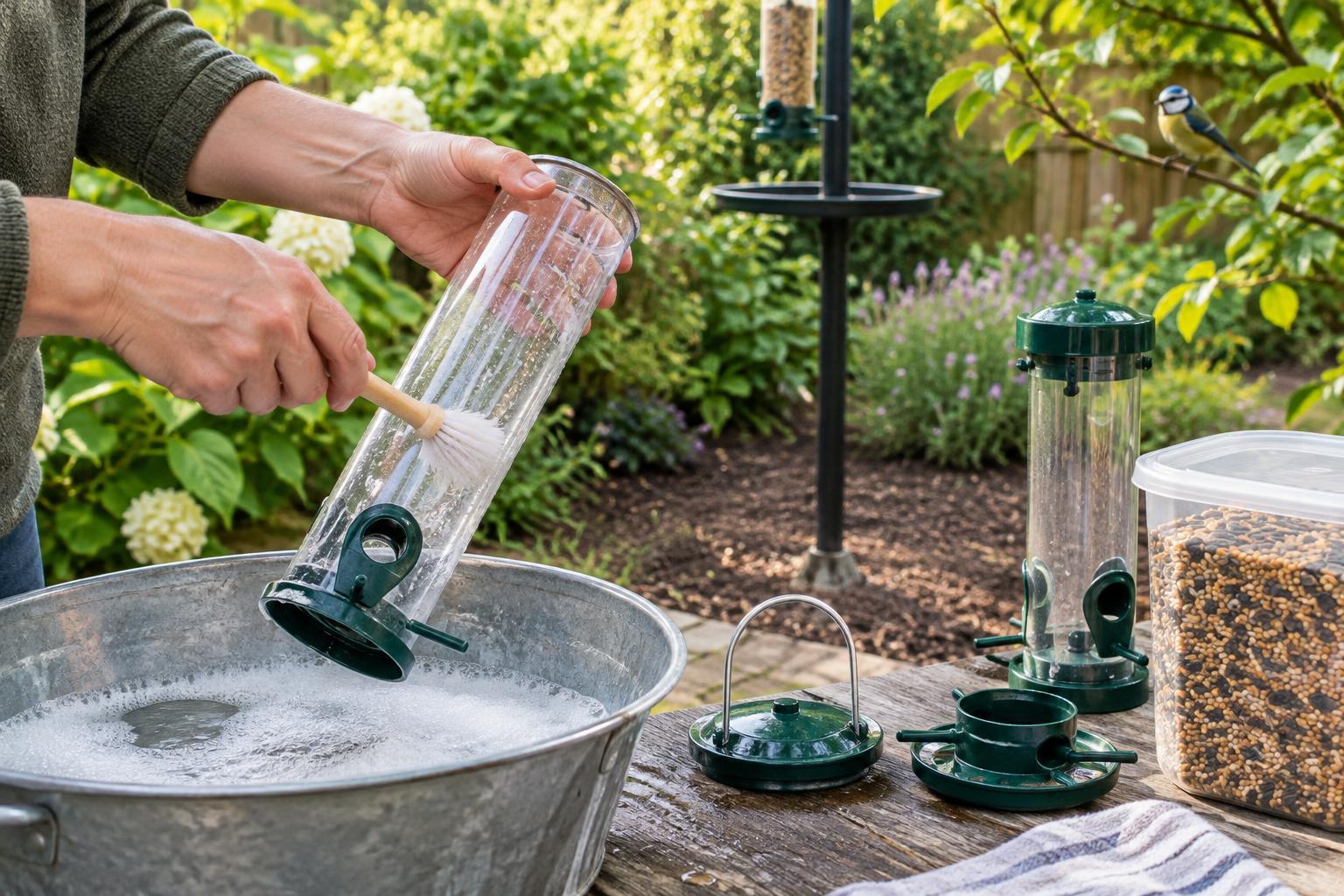
Take a feeder down before cleaning it. Discard old seed, including any that is clumped, moldy or stuck in corners. Follow the manufacturer’s directions for taking the feeder apart, then scrub the seed chamber, ports, perches and tray with warm, soapy water. A small brush helps reach narrow openings. Use cleaning tools reserved for outdoor feeding equipment, and wash your hands after handling feeders or waste.
Rinse away the soap and let every part dry completely before adding fresh food. Moisture trapped inside a feeder can spoil seed even if the outside looks dry. If you choose to use a disinfectant, select one appropriate for the feeder material, follow its label directions, rinse as directed and allow the feeder to dry fully. Never mix cleaning products.
Different feeder designs need different attention. Tube feeders can hide old seed at the base, while platforms expose food to rain and droppings. Nectar feeders need frequent changes and washing, especially when warmth makes the liquid spoil faster. Whatever the design, discard food you would not want to leave out for another day.
Keep food fresh and the ground clear
Buy an amount of feed you can use while it is fresh, and store it in a closed container in a cool, dry place. Check for dampness or pests before refilling. Add modest portions instead of topping new food over old seed; this makes it easier to spot and remove anything spoiled. A feeder with drainage and shelter from direct rain may help keep food drier, though it still needs cleaning.
Look below the feeder, too. Hulls and dropped seed can collect moisture, attract unwanted visitors and create another crowded feeding spot. Rake or sweep up accumulations and dispose of them. Move feeders occasionally if the ground is becoming heavily soiled. Avoid placing them directly over an area that is difficult to clean, such as a dense planting bed.
A nearby birdbath deserves the same attention. Replace dirty water and scrub the basin regularly, particularly when algae or droppings appear. Clean water offers birds a resource without relying on a constantly full feeder.
Make the feeding area easier to manage
Give birds room by spacing feeders apart when possible, and choose positions where you can reach them safely for cleaning. Keep food out of reach of pets and consider whether a feeder’s location creates a window-collision risk. If birds repeatedly strike a nearby window, address the glass or move the feeder rather than treating placement as only a cleaning decision.
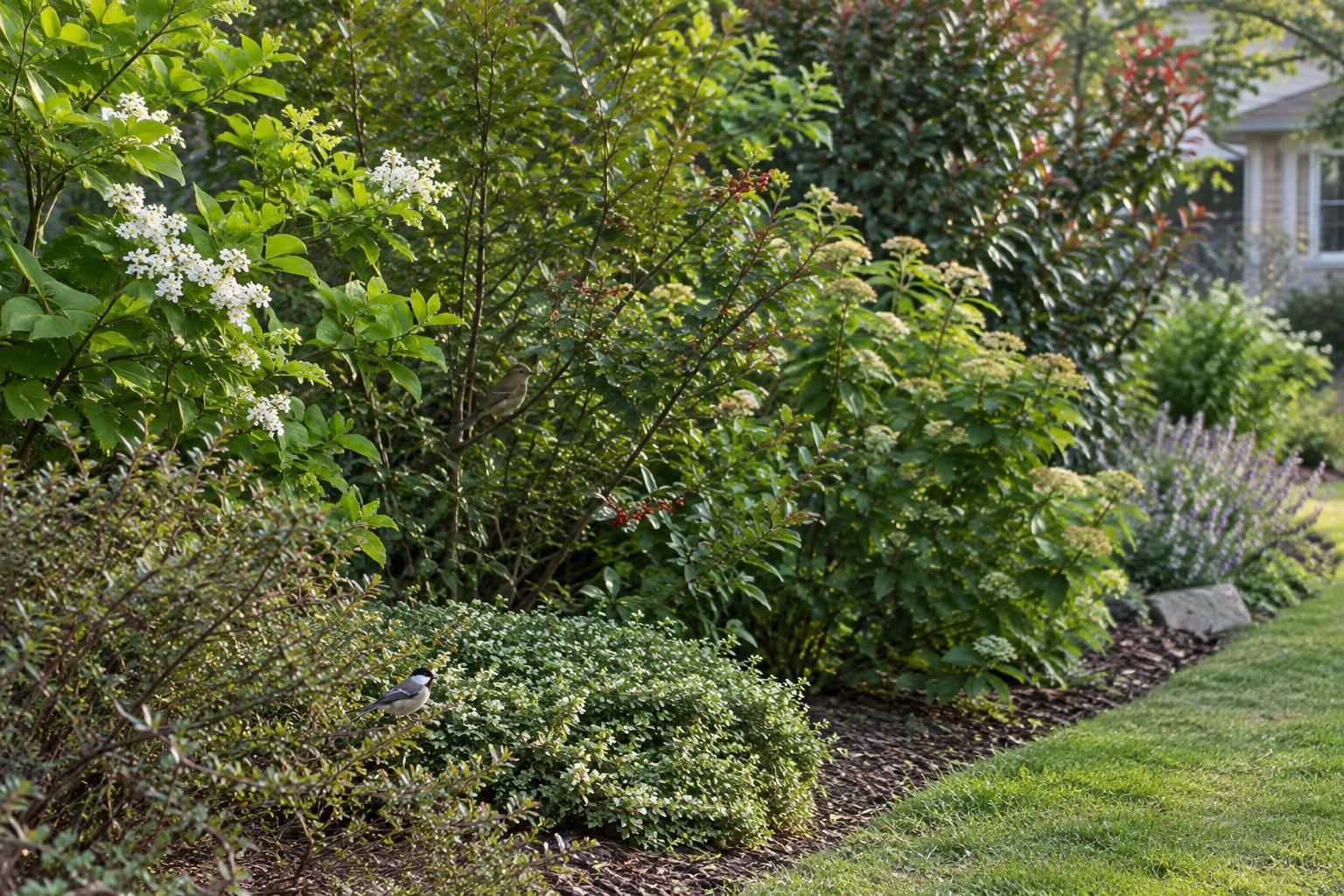
You do not have to supply food every day to make a garden welcoming. Seed-bearing plants, shrubs for cover and a clean water source can support visiting birds while reducing dependence on one busy feeding point. Choose plants suited to your climate and space, and maintain them without letting fallen food accumulate around feeders.
What to do when a bird seems sick
Watch for birds that appear unusually weak, remain fluffed up for long periods, have visibly crusted eyes or struggle to move normally. Those signs do not establish a diagnosis, but they are a reason to act cautiously. Take feeders and birdbaths down, discard the food and water, and clean the equipment and surrounding area. Pausing feeding for a while can allow birds to disperse instead of gathering at the same spot.
Avoid handling a sick or dead bird with bare hands. Keep children and pets away, wash your hands after any cleanup, and follow local wildlife authority guidance if you find multiple affected birds or need advice about disposal. When you resume feeding, put out fresh food in clean, fully dry equipment and return to a manageable cleaning routine.