Start by noticing what your soil does
Before adding anything to a garden bed, watch how it behaves. After rain, does water disappear quickly, linger on the surface or collect in one corner? When the soil is slightly moist, does a handful crumble, hold together loosely or form a dense, sticky lump? These observations can tell you more about where to begin than a blanket plan to dig or amend every bed.
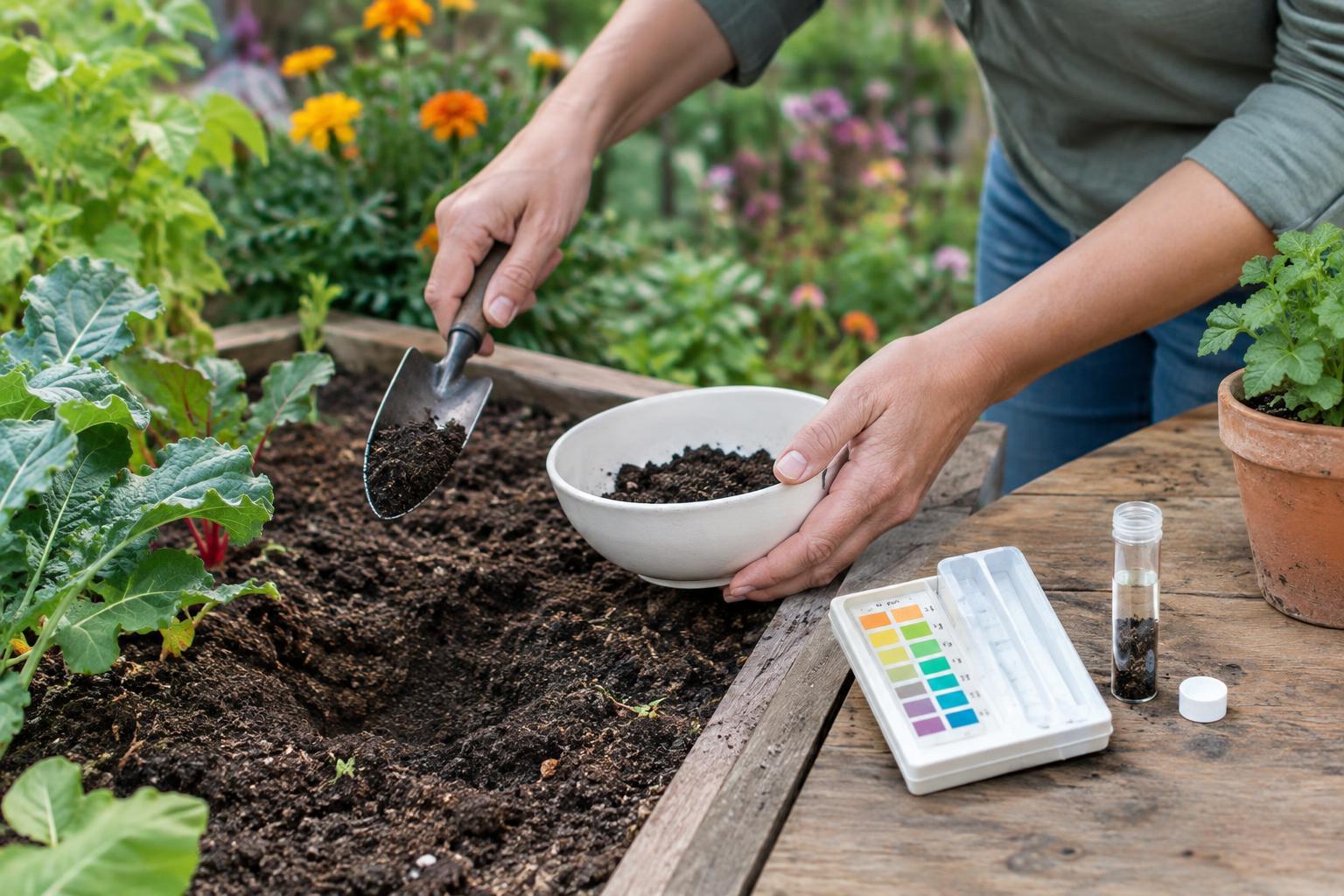
Plant performance offers clues too, although it rarely points to a single cause. Slow growth might reflect shade, watering, weather or soil conditions. Look for patterns across a bed rather than judging by one plant. If you plan to grow crops with particular pH needs, a soil test can help you avoid adding amendments that are unnecessary or poorly suited to the site.
Protect the structure you already have
Soil contains spaces that allow water and air to move around roots. Repeated digging, especially when the ground is wet, can disturb those spaces and leave some soils cloddy or compacted as they dry. A simple rule is to wait until a handful of soil breaks apart without smearing before working in a bed. You can still remove persistent weeds and make planting holes without turning the entire area.
Foot traffic is another common source of compaction. Make beds narrow enough to reach from a path, and keep stepping stones or permanent paths where you need access. If a small area is already compacted, gently loosening it with a garden fork may help; lift without flipping the soil into layers. Where water regularly stands after rain, check whether runoff or a low spot needs attention before assuming that deeper digging will solve the problem.
Feed the surface with compost and mulch
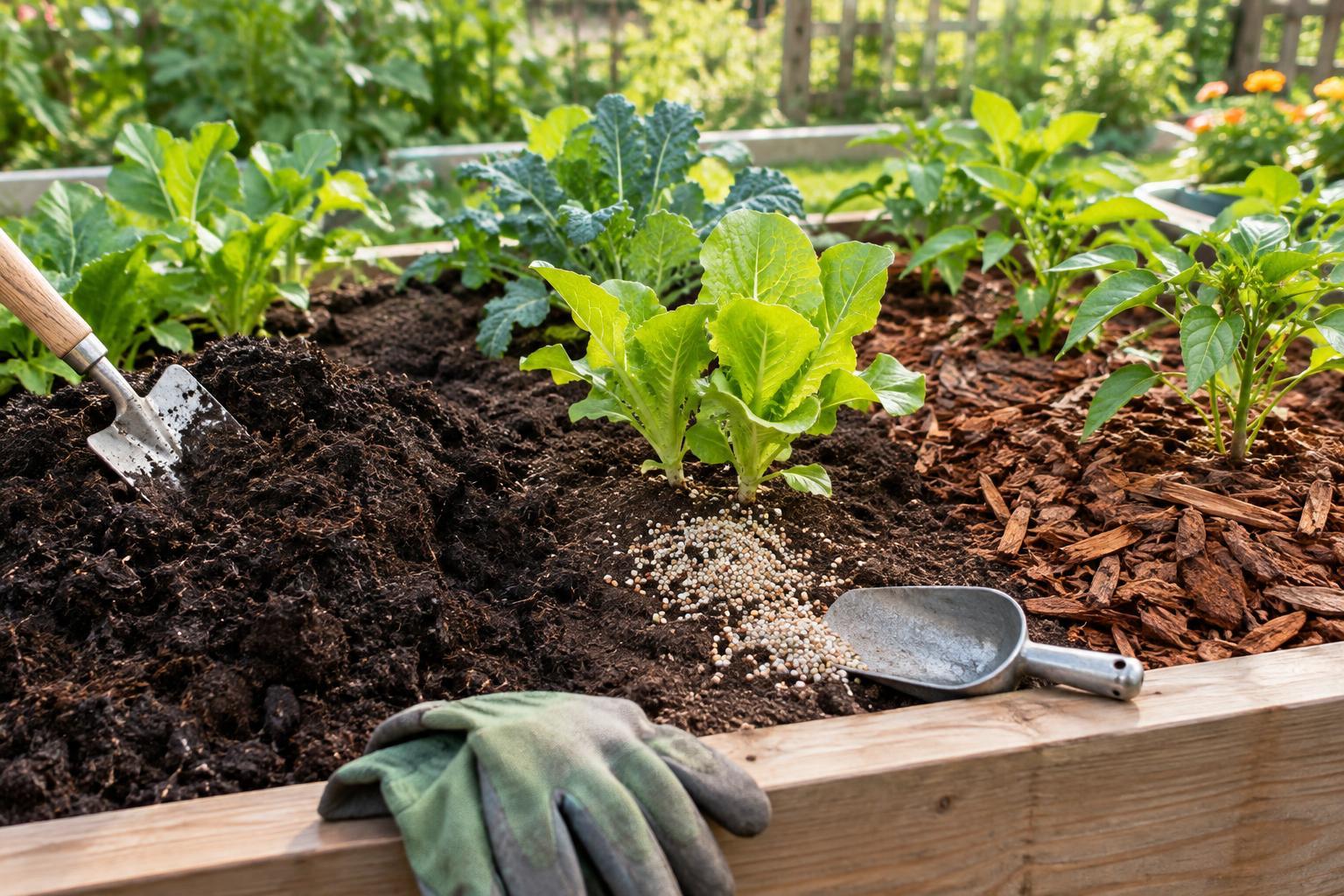
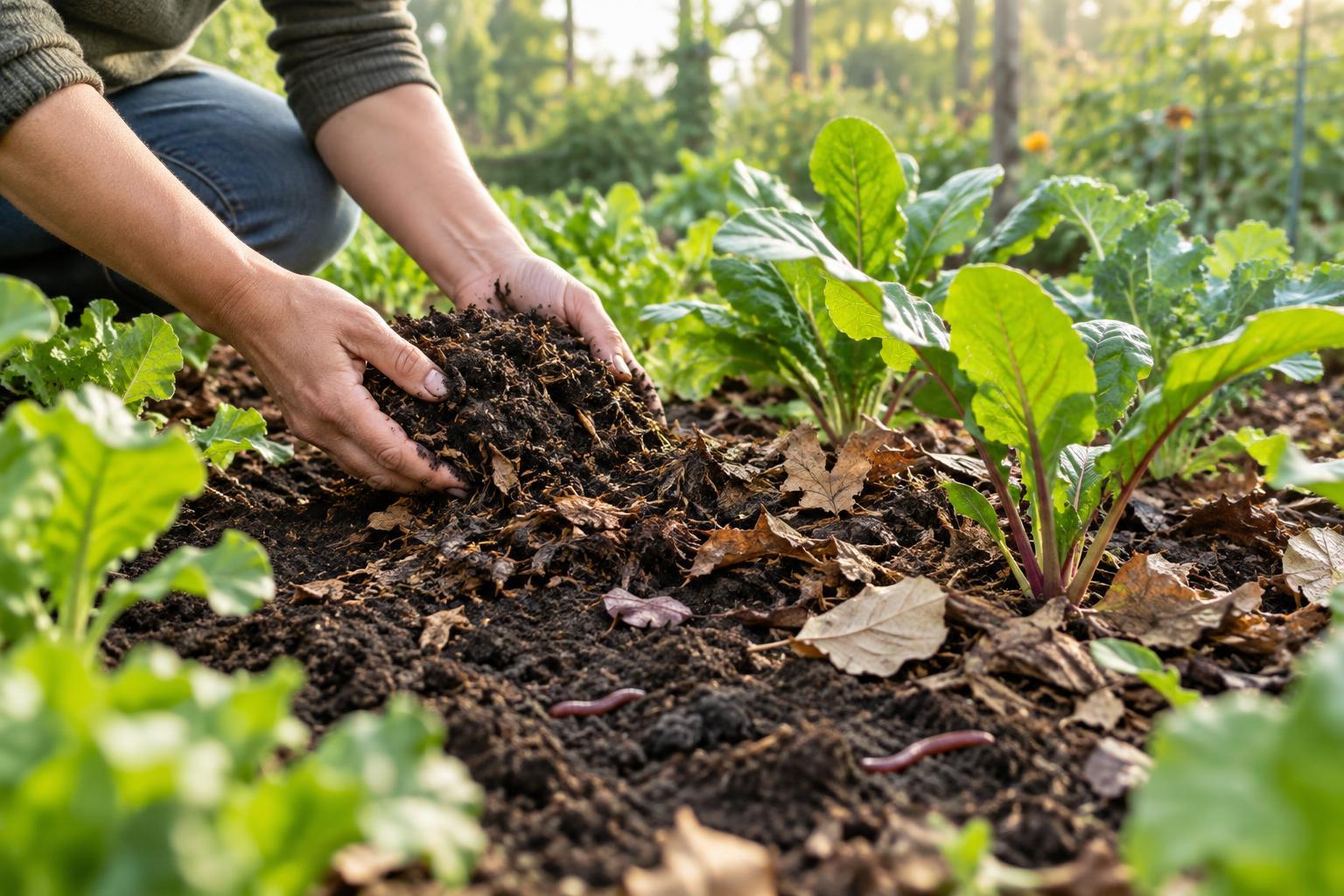
Finished compost is a useful, gradual way to add organic matter. Spread a modest layer over an established bed and leave it on the surface, or mix it lightly into the top layer of a new planting area if needed. Earthworms and other soil organisms may help incorporate surface additions over time, though their activity varies with local conditions. Avoid piling compost against plant stems, and follow any guidance that comes with purchased products.
A mulch layer helps cover bare soil, reducing splash during rain and slowing moisture loss in dry weather. Shredded leaves, untreated plant-based materials and other locally suitable mulches can work well. Leave a little space around stems and tree trunks rather than banking mulch against them. Replenish it as it breaks down, but check the soil underneath first: a thick layer is not a substitute for watering when the root zone is dry.
Keep roots growing when you can
Living roots and plant residues are part of a low-disturbance approach. In an empty bed, a suitable cover crop can keep soil covered between main plantings. Choose one that fits your climate, available growing season and plans for the bed. Make a plan for how you will cut it down or otherwise manage it before the next planting, particularly if it might set seed.
You can also leave healthy roots in place when removing spent annual plants, cutting the tops off at soil level instead of pulling up the whole root system. This is not always the best choice: remove plants and roots when disease management or persistent weeds call for it. The goal is not a strict no-dig rule, but to avoid disturbance that does not serve a clear purpose.
Make small changes and give them time
Different soils call for different expectations. Sandy soil may need regular additions of organic matter and closer attention to watering. Clay-rich soil may benefit from surface cover and protection from foot traffic, even if its texture changes slowly. Adding large amounts of sand to clay is not a reliable shortcut; improving how the bed is used and covered is often a more manageable place to start.
Choose one bed to improve first. Clear weeds, add finished compost if it is available, mulch exposed soil and establish a path that keeps feet off the growing area. Then pay attention through a full growing season: how easily the soil takes up water, whether it stays workable and how plants respond. Adjust one habit at a time. Consistent care is usually more useful than repeatedly turning the soil in search of an instant fix.