What a jar test can tell you
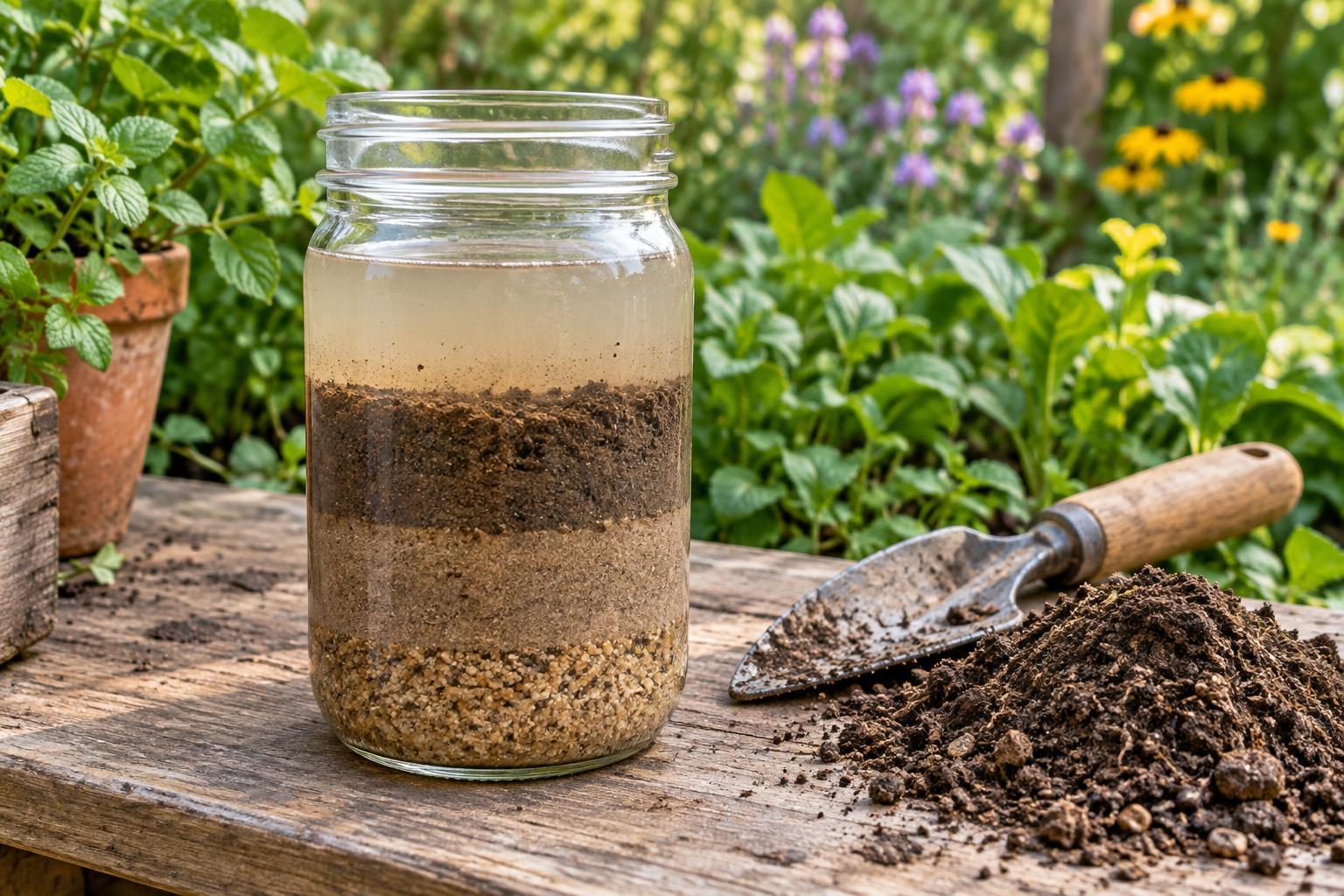
Soil texture describes the relative amounts of sand, silt and clay in soil. Sand has the largest particles and tends to settle quickly in water. Silt is finer, while clay is so fine that it can keep the water cloudy long after the other particles have settled. A jar test separates these particles into visible layers, giving you a useful estimate of their proportions.
Texture can help explain why one bed dries soon after watering while another stays damp for days. It is not a complete measure of soil quality, though. Organic matter, compaction, soil structure and the ground beneath a bed also affect how water and roots move through it. Treat the test as a starting point for observation, not a verdict on what your garden can grow.
Collect a representative sample
You will need a clear, straight-sided jar with a tight lid, water, a spoon, a marker or tape, and a little plain dish soap. Choose an area you want to understand, such as a vegetable bed or a new planting spot. If different parts of the garden behave differently, test them separately rather than mixing all their soil together.
Move aside mulch and loose surface debris. Take small amounts of soil from several spots within the chosen area, sampling the depth where you expect most roots to grow. Remove stones, roots and large pieces of plant material, then break up obvious clumps. Let very wet soil dry enough to crumble before mixing the samples. This test works best with mineral garden soil; a compost-rich potting mix may not form clear, useful layers.
Shake the jar and mark the layers
Put the mixed soil in the jar until it fills roughly one-third of the container. Add water, leaving enough space to shake it thoroughly. A few drops of dish soap can help separate particles that are stuck together. Fasten the lid and shake vigorously until the soil is suspended and no firm lump remains at the bottom. Set the jar on a level surface where it can remain undisturbed.
After about one minute, mark the top of the settled material. This lower layer is mostly sand. After roughly two hours, mark the new top of the sediment; the material that settled above the sand is mostly silt. Leave the jar for a day or two, then mark the final sediment height once the water has largely cleared. The upper settled layer is mostly clay. Fine clay may take longer, so wait if the water is still very cloudy or the top layer is still growing.
Measure each layer’s height and compare it with the height of all the settled mineral material, not the height of the jar. For example, a sand layer that takes up about half the total sediment suggests a sand-heavy sample. Floating organic pieces and a dark stain in the water are not part of the mineral layers. Boundaries may be fuzzy, so estimates are more useful than precise percentages.
Make sense of the result
A large sand layer points to soil that often drains readily and may need more frequent watering, especially near the surface. A large silt layer can indicate soil that holds moisture but may form a crust if its surface is left bare. A substantial clay layer suggests soil that can hold water well but may be slow to drain when compacted. A mix of all three particle sizes is often called loamy, although equal-sized layers are not required for a useful garden soil.
Compare the jar result with what happens outdoors. Does water soak in or collect on the surface? Does the soil crumble when moist, or form hard clods when dry? Two beds with similar texture can behave differently if one has been compacted or has more organic matter. The jar shows what the soil particles are; your observations show how the bed is functioning.
Use the result to guide garden care
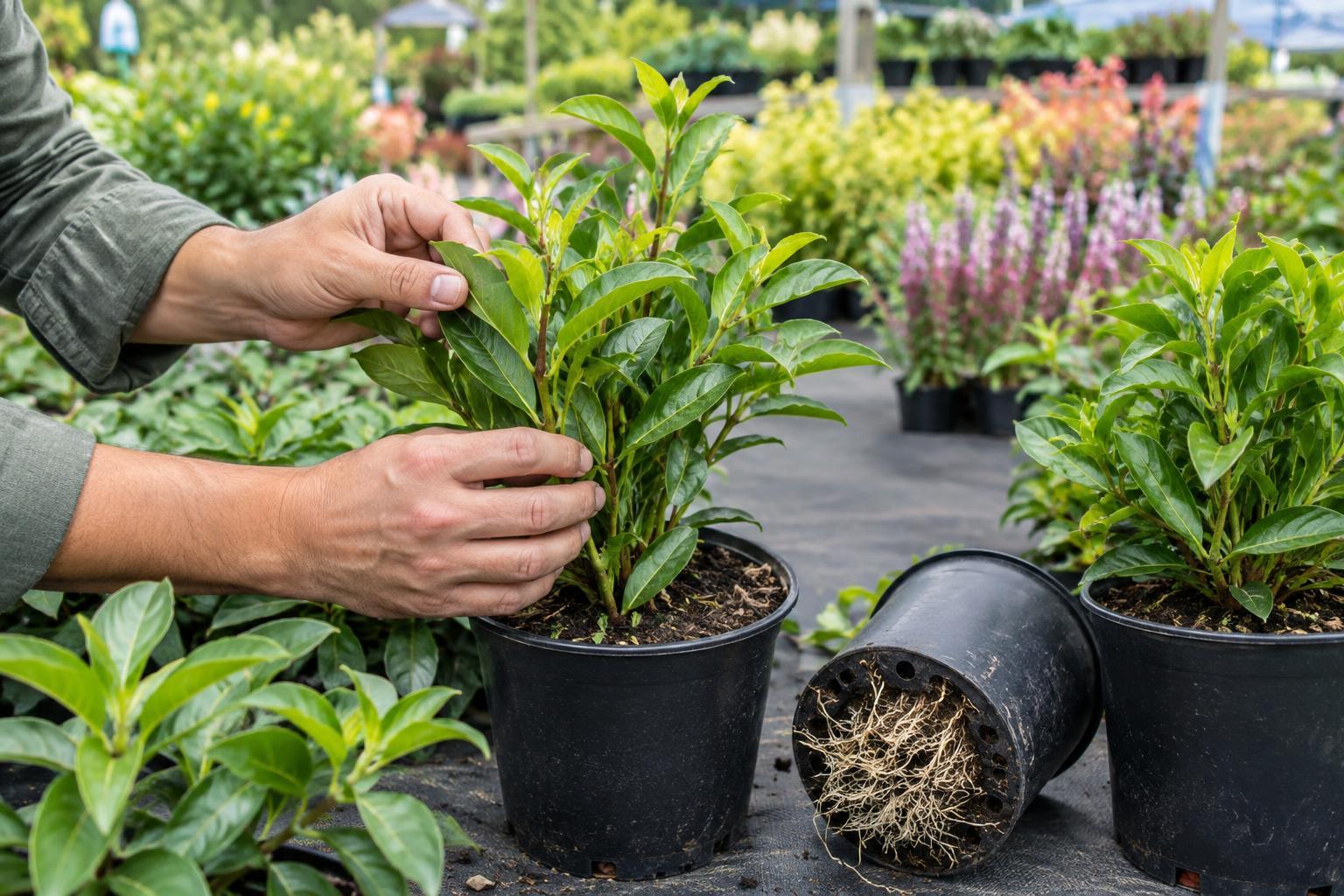
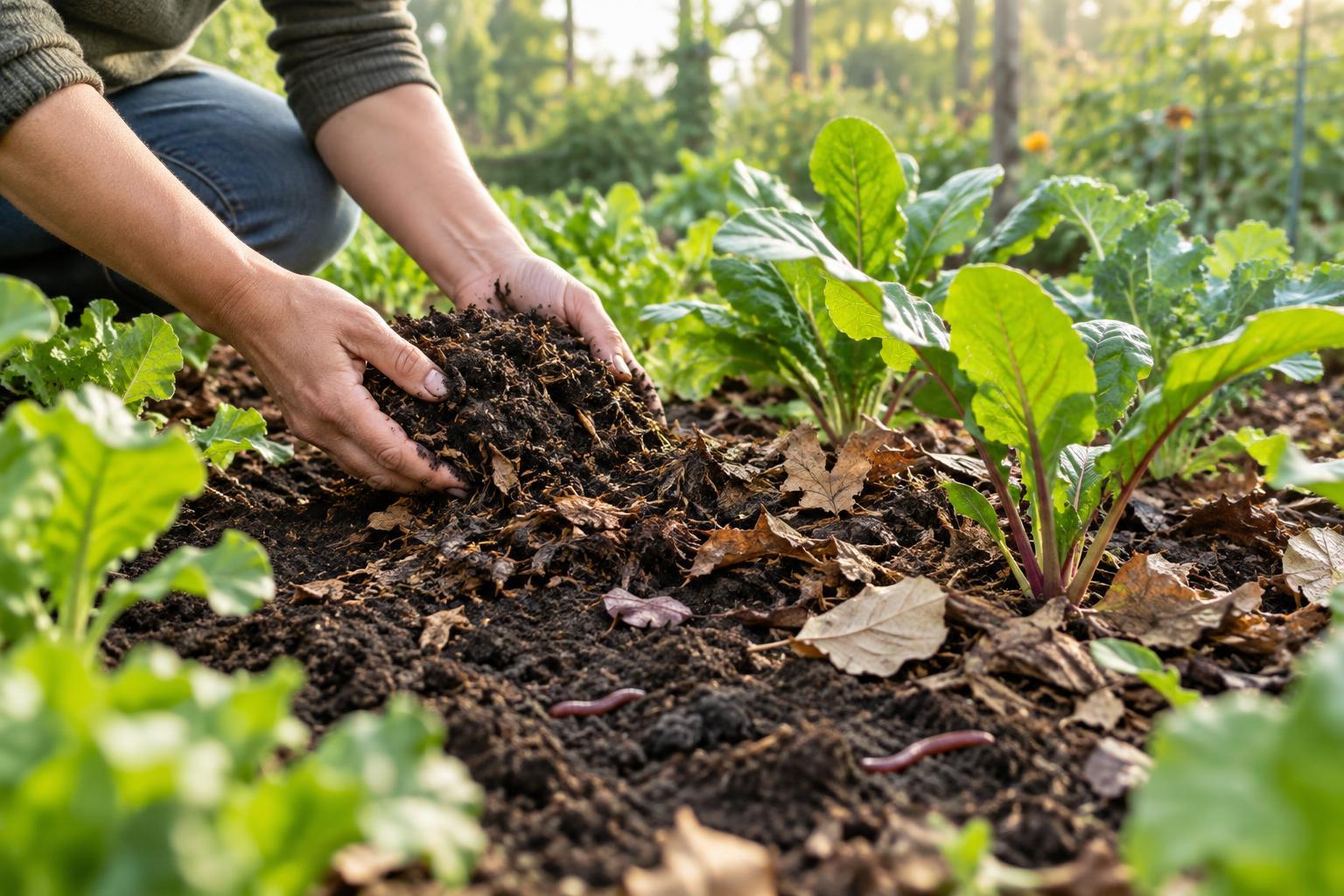
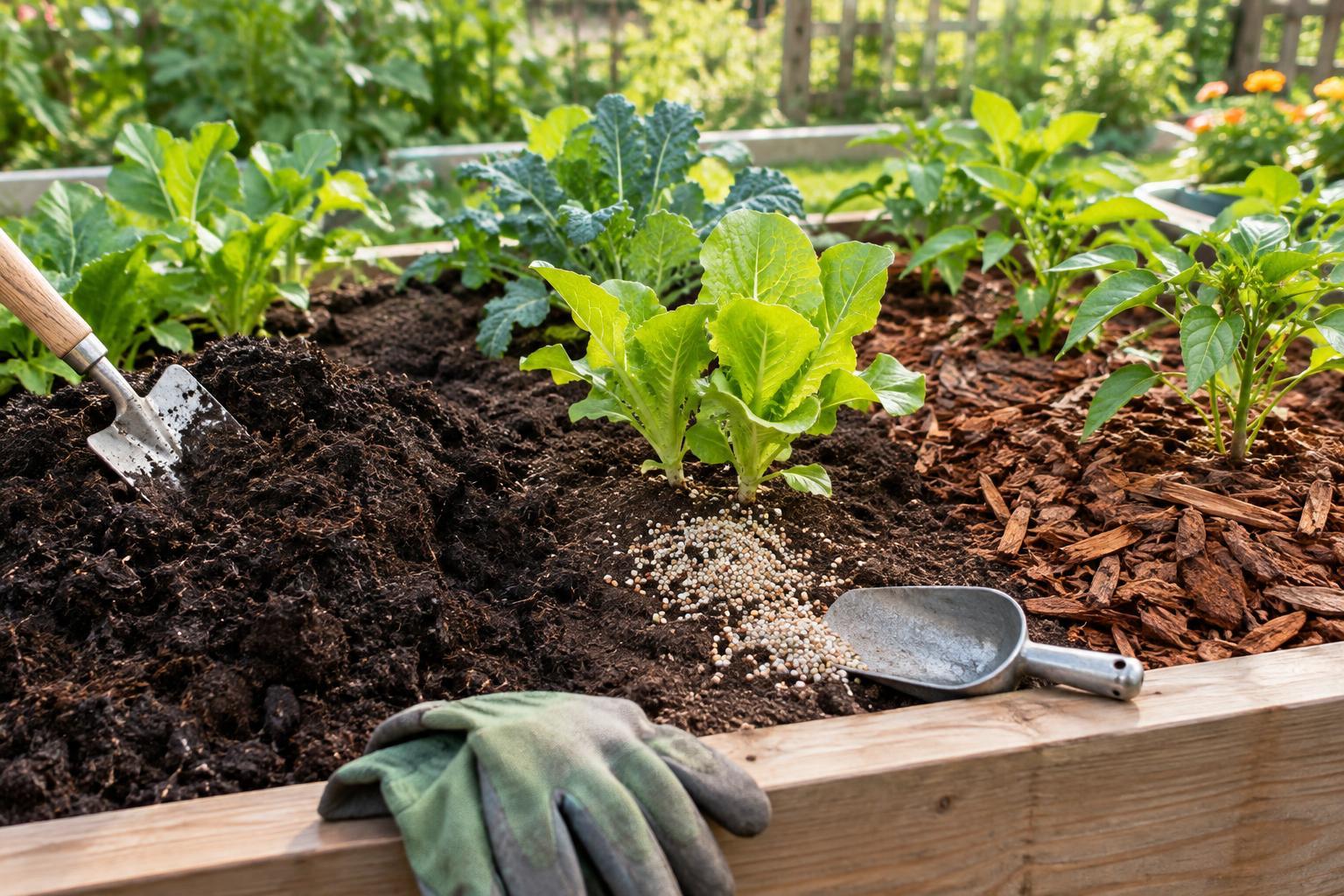
For sandy soil, adding finished compost and using mulch can help the bed retain moisture. Check below the surface before watering, since the top may dry faster than the root zone. For clay-heavy soil, protect its structure by avoiding digging or walking on it when it is wet and sticky. Compost and mulch can support better working conditions over time, but they will not change clay particles into sand.
If a planting area stays wet, texture alone may not be the cause. Look at its slope, nearby runoff, compaction and any hard layer below the sampled depth before choosing plants or changing the bed. Keep a note of each test location and what you observe through the growing season. That combination of a simple measurement and regular observation is more useful than a single label on a jar.