Start with what “native” means where you live
A plant can be native to a country or a broad region without being native to your particular area. Before shopping, narrow your search to species that grow naturally in your local region. A regional native plant society, botanical garden, extension service, or reputable local nursery can help you build a shortlist. Check scientific names as well as common names, which can refer to different plants in different places.
Think about the wildlife you hope to welcome, but keep your goal broad. Flowers may provide nectar or pollen for insects; leaves may feed caterpillars; and seeds or fruit may feed birds and other animals. A plant does not need to serve every purpose. A varied planting is more useful than asking one showy flower to do all the work.
Avoid collecting plants from wild places unless you have permission and know it is appropriate. Buying nursery-propagated plants or growing them from responsibly sourced seed lets you add to your garden without removing plants from existing habitat.
Choose for the site, not just the wildlife label
The best candidate is one that can thrive in the space you have. Notice how many hours of sun each area receives, whether soil stays wet after rain, and where summer heat or wind is strongest. Then compare those conditions with a plant’s preferred light, moisture, mature size, and growing requirements. A shade-loving woodland plant is unlikely to flourish in a dry, exposed border, even if it is locally native.
Measure the available space before choosing shrubs or trees. Their mature spread matters near paths, fences, windows, and seating areas. In a small garden, a compact shrub, a few perennial species, or a container suited to your climate may be more manageable than a tree that will outgrow the site. Choose plants that can establish with the care you can realistically provide; even drought-tolerant species usually need attention while their roots settle in.
Build a planting with more than one season of value
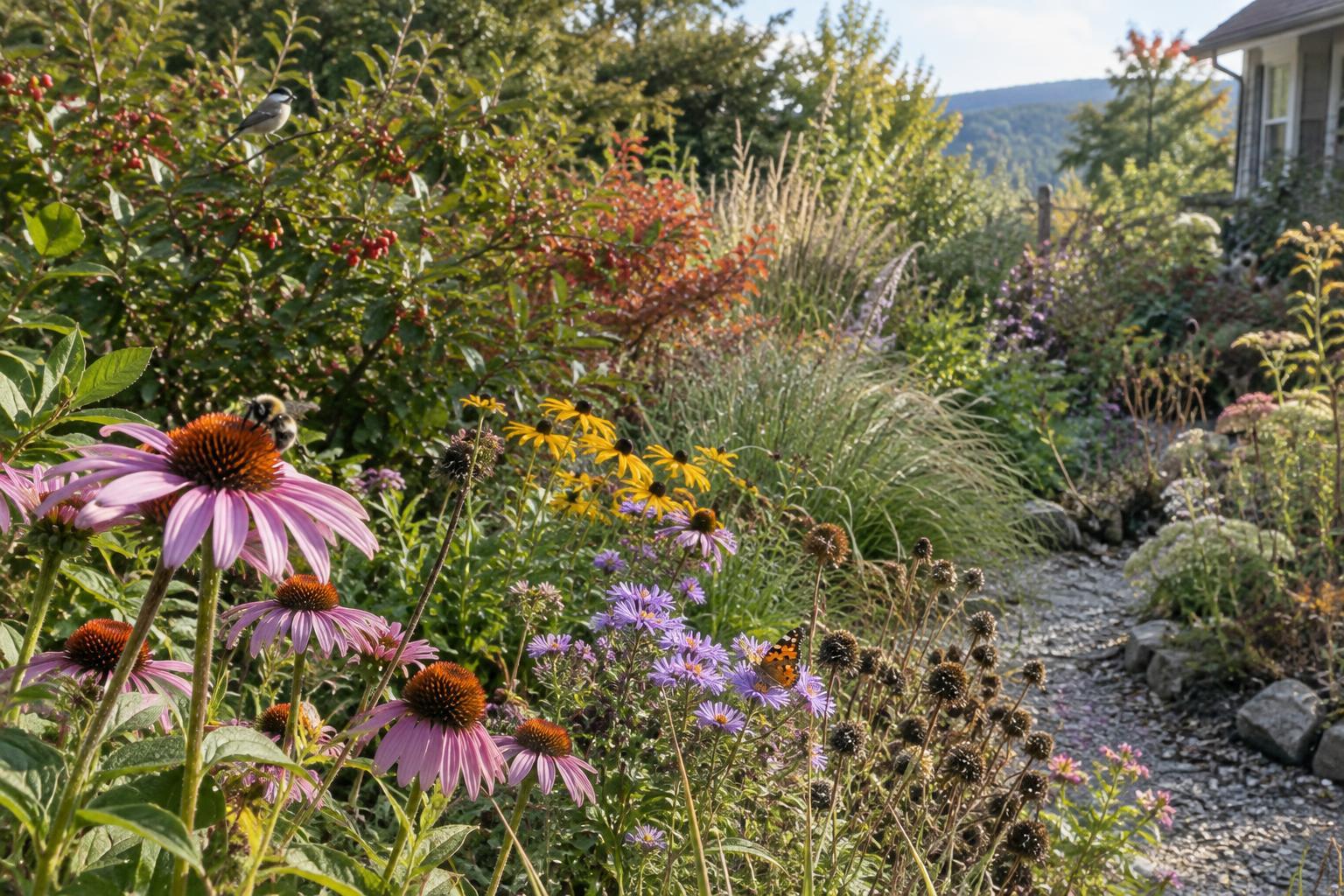
A useful wildlife planting offers something at different times of year. Look for a mix of locally native plants that flower early, midseason, and late, so visiting insects are not reliant on a brief flush of blooms. Add species that retain seed heads or produce fruit where appropriate. Leaves, stems, and branches matter too: they can provide cover and places for insects to rest or overwinter.
Planting several of the same flowering species together can make its blooms easier for visitors to find than a single plant tucked among many others. You can still combine those groups with grasses, groundcovers, shrubs, or a tree to create different layers. If your space is limited, start with a few well-matched species rather than trying to fit every recommended plant into one bed.
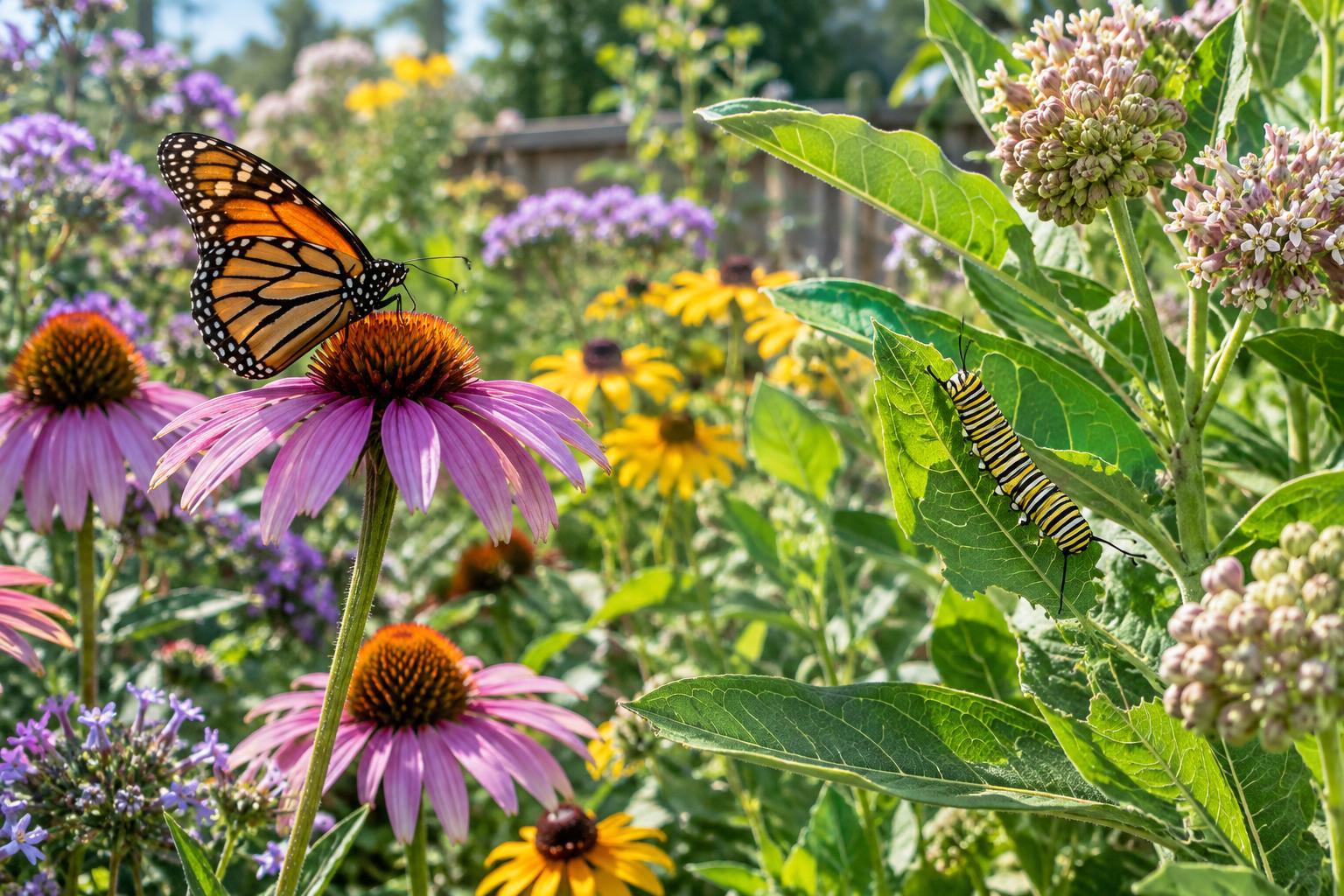
If you want to support a particular butterfly or moth, check which plants its caterpillars use in your area. Adult insects may visit many flowers, while their young may depend on a much smaller range of host plants. Local guidance can help you avoid buying a similarly named species that serves a different role.
Shop with a few questions ready
Nursery tags are a starting point, not a complete guide. Ask whether a plant is a local native species, where it was propagated, and how large it typically grows in garden conditions. If supporting insects is a priority, ask how the plants were grown and whether pesticides were used. Practices vary, so a conversation is more helpful than assuming every plant on a “pollinator” display was raised the same way.
A named cultivar may differ from the wild form in flower shape, bloom time, or foliage. Those differences are not automatically a problem, but they can affect how useful the plant is to wildlife. When the choice is unclear, a straight species from a reputable grower is a simple place to begin. Also check that anything you buy is not considered invasive in your area, even if it is promoted as beneficial elsewhere.
Let the planting become habitat
Once the plants are in place, give them time to establish and observe what happens. Water according to their needs during establishment, mulch where suitable, and keep aggressive weeds from crowding young plants. After that, consider leaving some fallen leaves and standing stems in a safe, out-of-the-way part of the garden. Tidiness can coexist with habitat: paths and seating areas can stay clear while quieter corners remain less disturbed.
Notice which plants grow well and which visitors appear, without treating every quiet day as a verdict on your choices. Wildlife use can vary with weather, season, and the surrounding landscape. Add or replace plants gradually as you learn what works. A modest patch of healthy, well-suited native plants is a practical foundation for a more welcoming outdoor space.