Start with two dates, not twelve rigid monthly lists
A garden calendar is most useful when it helps you decide what to do next, rather than telling you that every task belongs on a particular day. Begin by finding the typical last spring frost and first autumn frost for your area through a local gardening resource or weather service. Write both in your calendar, along with the source you used. These dates describe past patterns; they do not promise frost-free weather on either side of them.
Use the dates to create broad planning windows. You might mark a period before the last spring frost for preparing beds and starting suitable seeds, a period after it for considering frost-sensitive plants, and a period before the first autumn frost for finishing tender crops or moving vulnerable containers. Plant packets can help you work backward from these windows, but their timing guidance still needs to be adjusted to your conditions.
Add the conditions that dates cannot show
A frost date says little about whether a bed is ready to work. Soil that is still wet can compact when dug or walked on, while cold soil may slow seeds that need warmth to germinate. Before putting a task on this week’s list, check the ground, the forecast and the plants themselves. If a handful of soil stays in a sticky lump, consider waiting before working that bed. If a spell of cold nights is forecast, hold off on setting out tender plants even if your usual last frost date has passed.
Your garden may also differ from a nearby weather station. A low spot can collect cold air, an exposed bed may feel windier, and a sheltered patio may warm sooner. Note these differences beside your calendar entries. In a mild climate where frost is rare, use the same approach but anchor your plan to other recurring conditions, such as periods of heavy rain, dry weather or intense heat.
Sort tasks into flexible categories
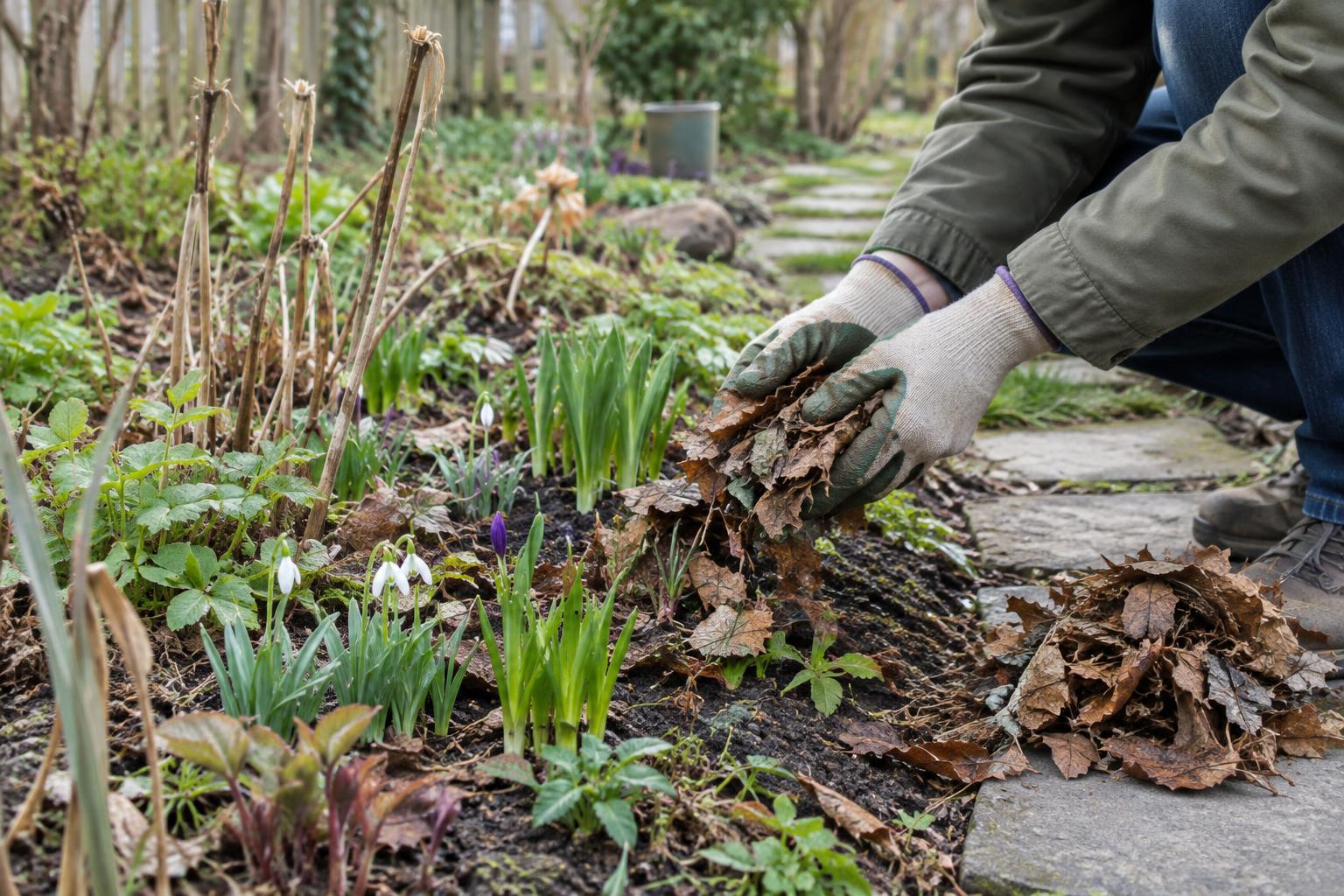
Give each task a simple label: “prepare,” “plant,” “protect,” “maintain” or “review.” Preparation might include cleaning pots, checking supports, improving paths and arranging materials. Planting covers sowing, transplanting and dividing where appropriate for the plant. Protection includes having covers ready for a cold night or shade available during a hot spell. Maintenance covers watering, mulching and watching for pests. Review is the moment to notice what needs changing.
Then mark tasks as either date-linked or condition-linked. Ordering seeds can go on a set date because it depends mostly on your schedule. Sowing directly into a bed should usually be conditional: the soil must be workable and suitable for that seed. Instead of writing “plant everything on Saturday,” write “check soil and forecast; plant if conditions are suitable.” This small change makes the calendar easier to follow when the weather shifts.
Plan for changes before they happen
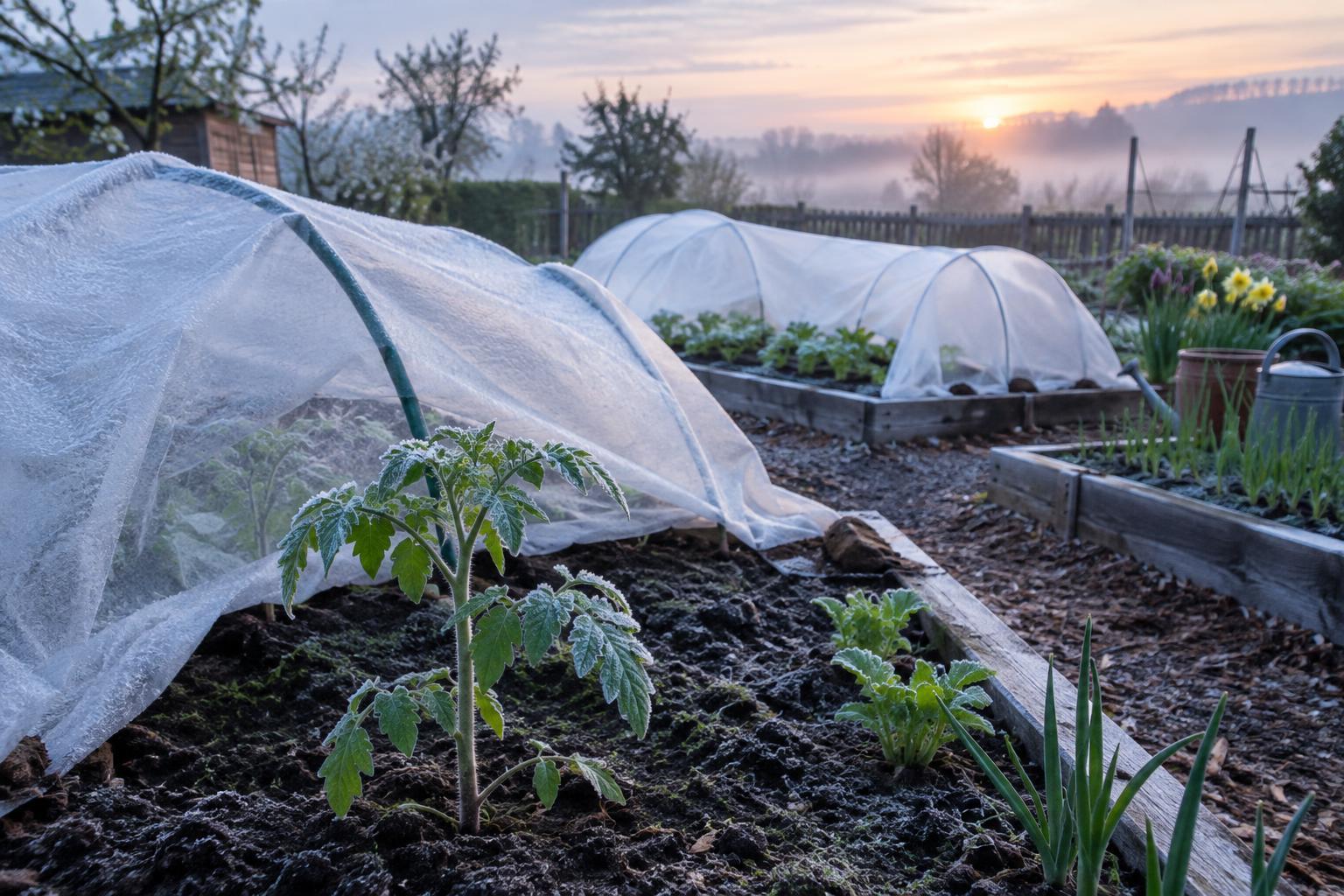
For each important task, add a backup option. If spring planting is delayed, seedlings may need more light, room or time before they can go outside. If a dry stretch arrives, newly planted areas may need closer attention than established beds. If an early cold night threatens in autumn, decide in advance which containers can move to shelter and which plants are worth covering. Keep the materials you expect to use somewhere accessible.
Leave open space in the calendar, too. A few unassigned days or weeks let you catch up after rain, travel or unexpected work without treating the whole plan as a failure. This is especially helpful when you garden in short sessions. A short priority list—such as “water new plants, check seedlings, then weed”—is often more useful than a long seasonal checklist.
Keep notes that improve next year’s calendar
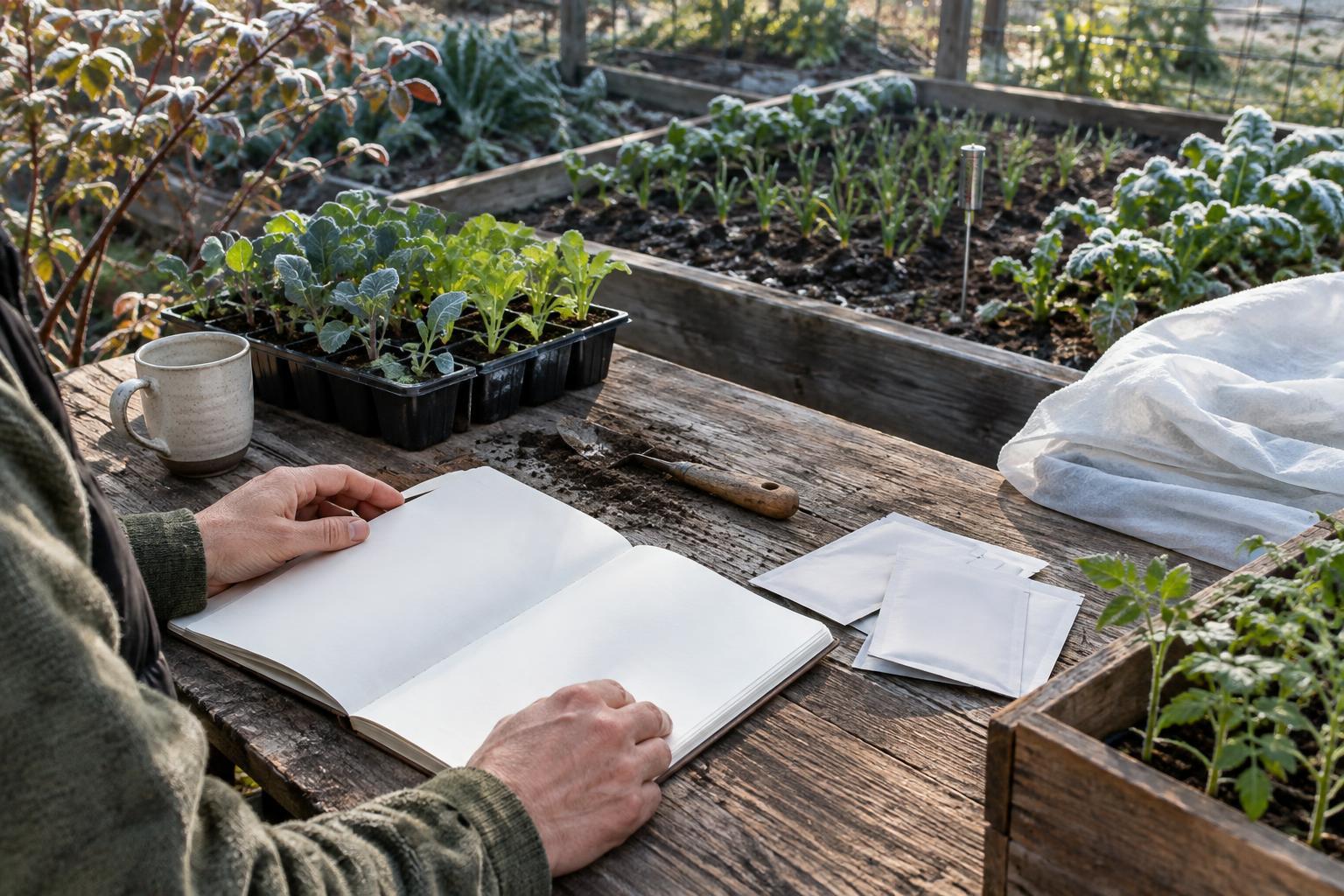
Record what happened in your own space: the first frost you noticed, when a bed became workable, when you planted, and whether plants needed protection. A notebook, spreadsheet or paper calendar will do. Keep entries brief enough that you will actually make them. “Bed stayed wet for a week after rain” is more helpful than an elaborate record you never revisit.
At the end of a season, compare your plans with those notes. Move tasks that repeatedly felt too early or too late, and keep reminders that helped. After a few seasons, your calendar will reflect both regional frost patterns and the particular habits of your garden. It will still change with the weather, but it will give you a reliable way to decide what deserves your attention now.