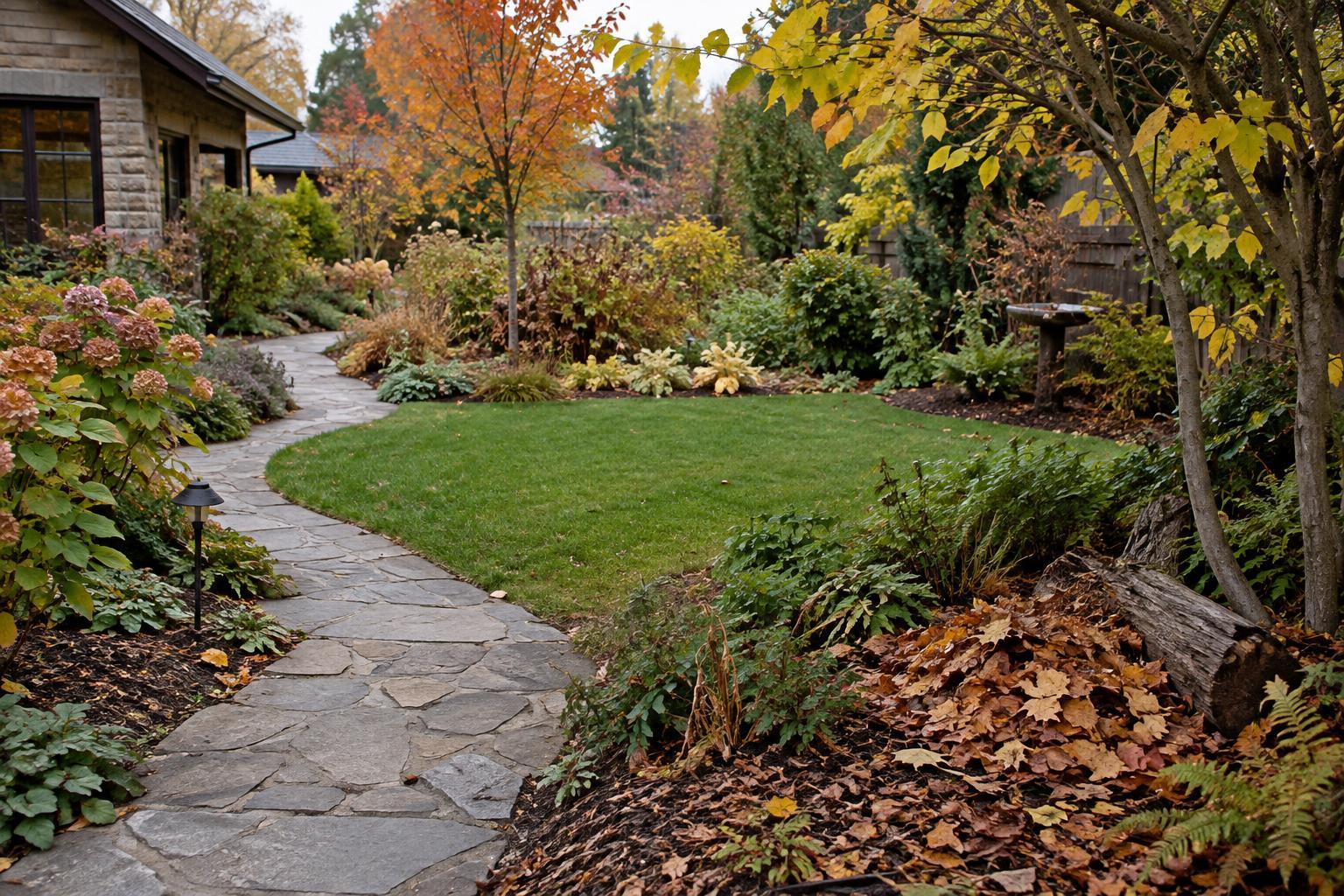
Wildlife-Friendly SpacesFallen leaves can shelter small garden animals and protect soil, but they do not have to cover every path and lawn. Learn where to leave them, where to move them and how to manage them through the seasons.
Read article · 3 min↗
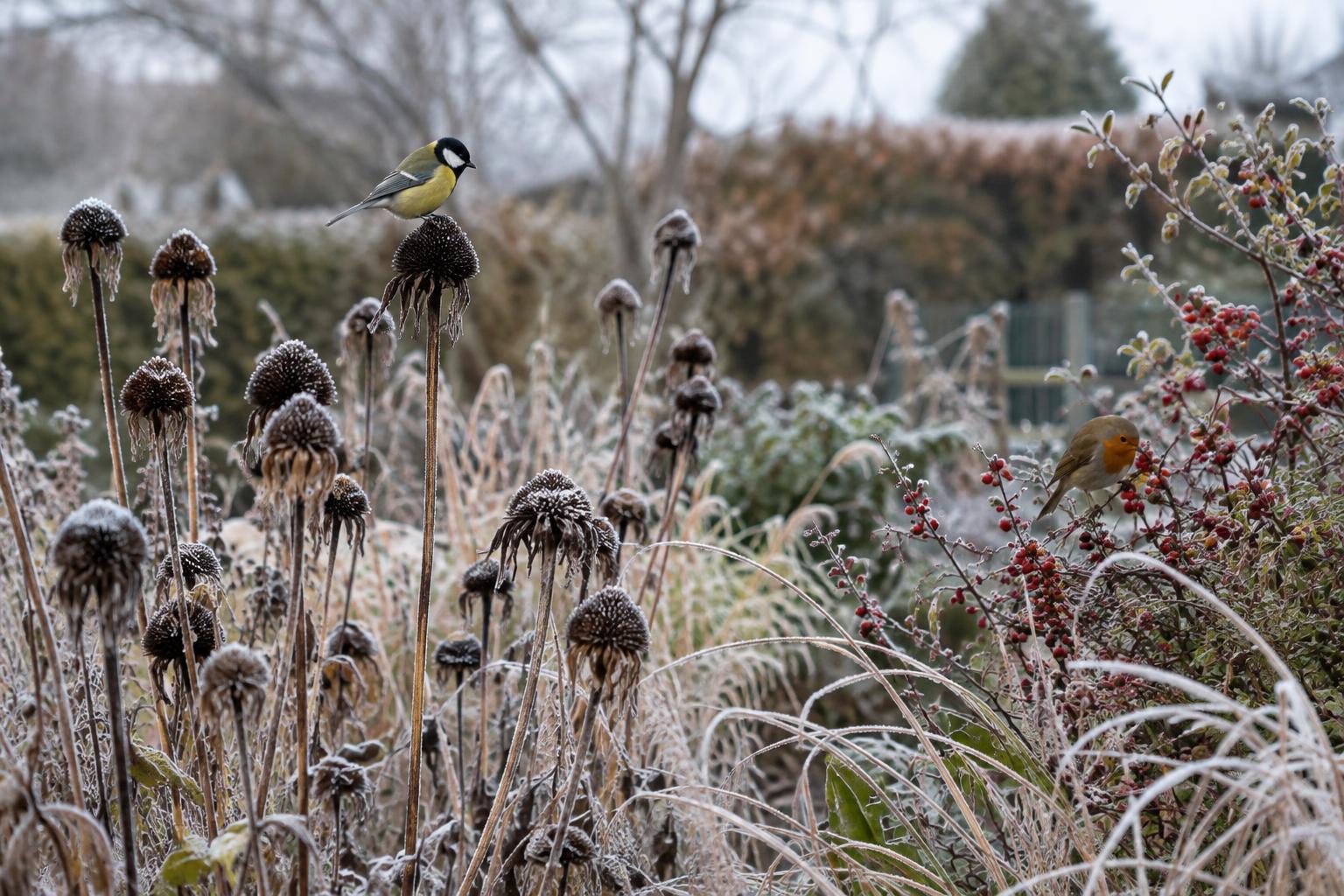
Wildlife-Friendly SpacesA winter garden can offer birds more than a tidy border. Learn which seed heads and berries to leave, how to keep them available through cold weather, and when a little cleanup still makes sense.
Read article · 4 min↗
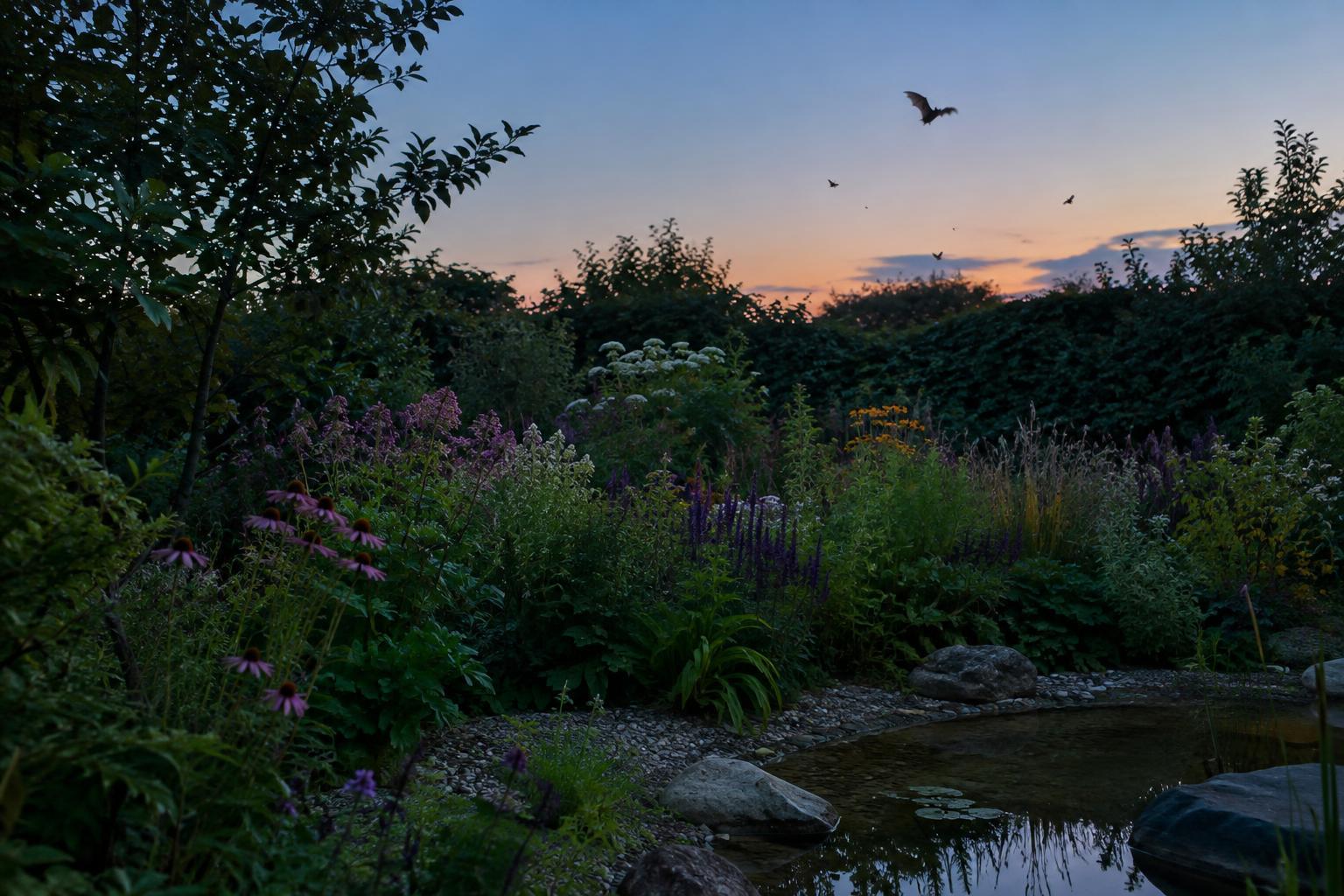
Wildlife-Friendly SpacesA bat-friendly garden supports the insects bats may feed on and gives them darker, more connected places to fly. Learn how planting, lighting, water and routine garden care can make a small outdoor space more welcoming.
Read article · 4 min↗
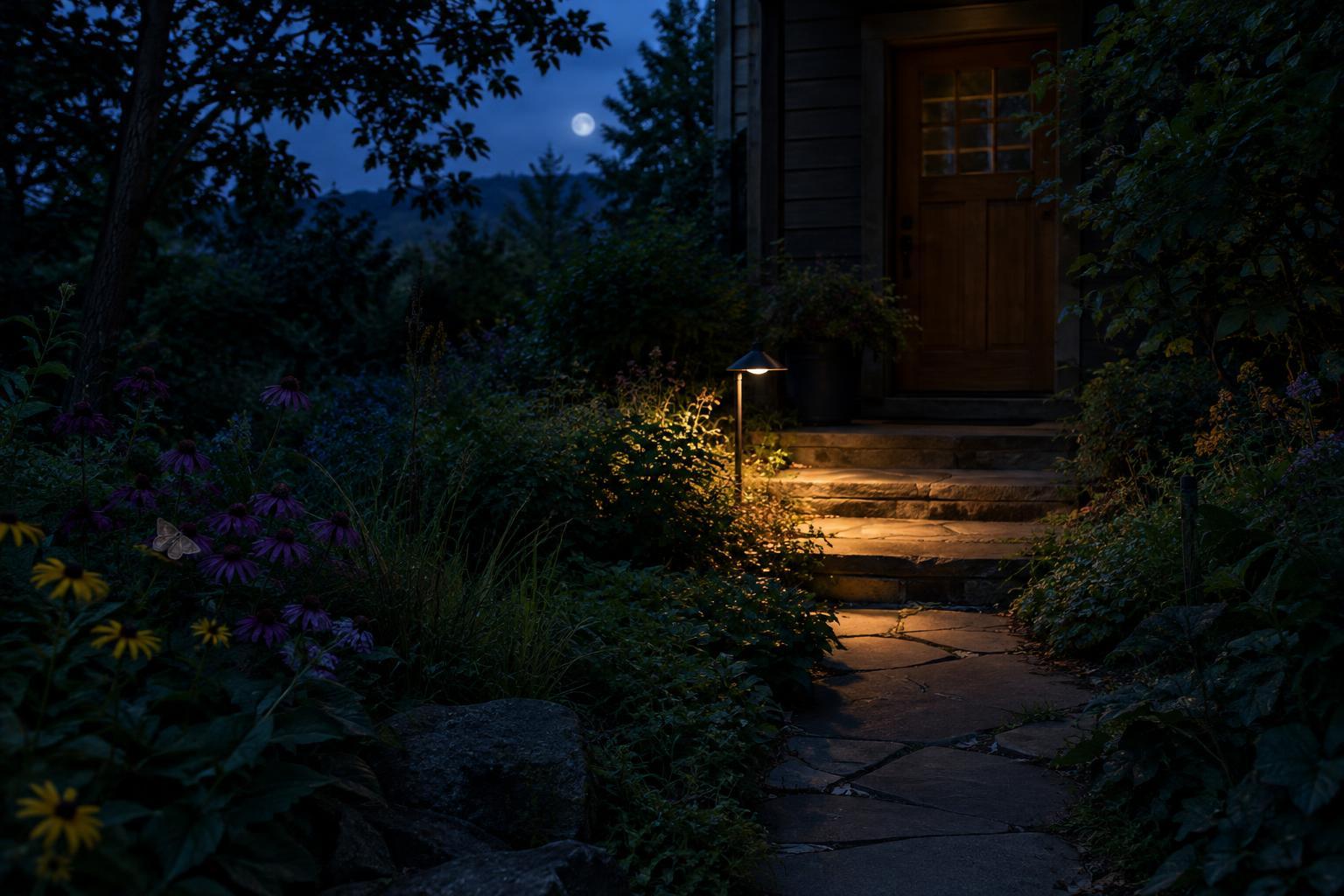
Wildlife-Friendly SpacesOutdoor lighting can make a garden easier to use after dark, but it can also spill into spaces used by nocturnal animals. Learn how to keep paths and entrances practical while reducing unnecessary light with better placement, shielding and simple controls.
Read article · 4 min↗
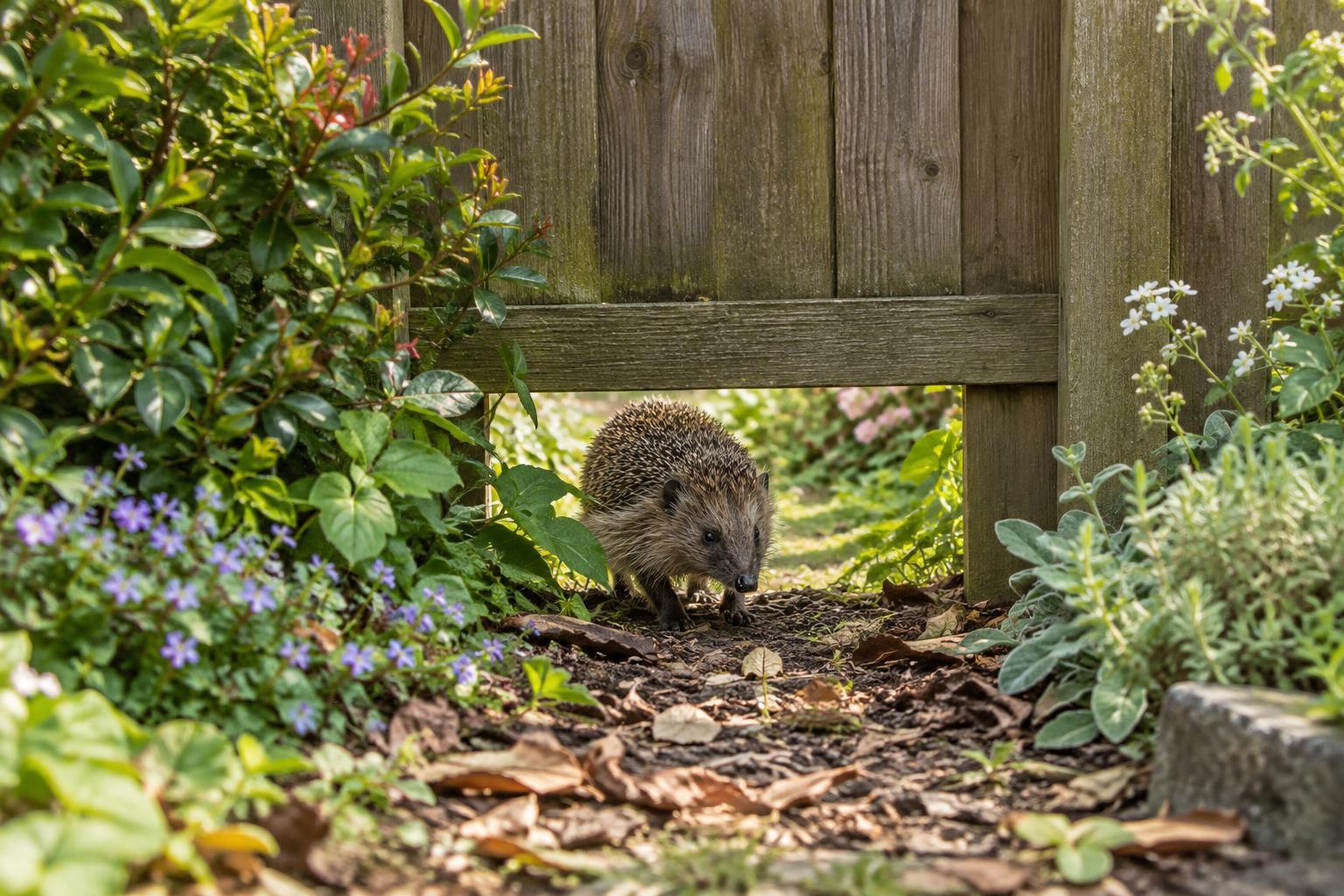
Wildlife-Friendly SpacesA fence can mark a boundary without cutting off every route through a garden. Learn how to assess safe crossing points, make modest changes to suitable fences, and keep passages useful for small wildlife.
Read article · 4 min↗
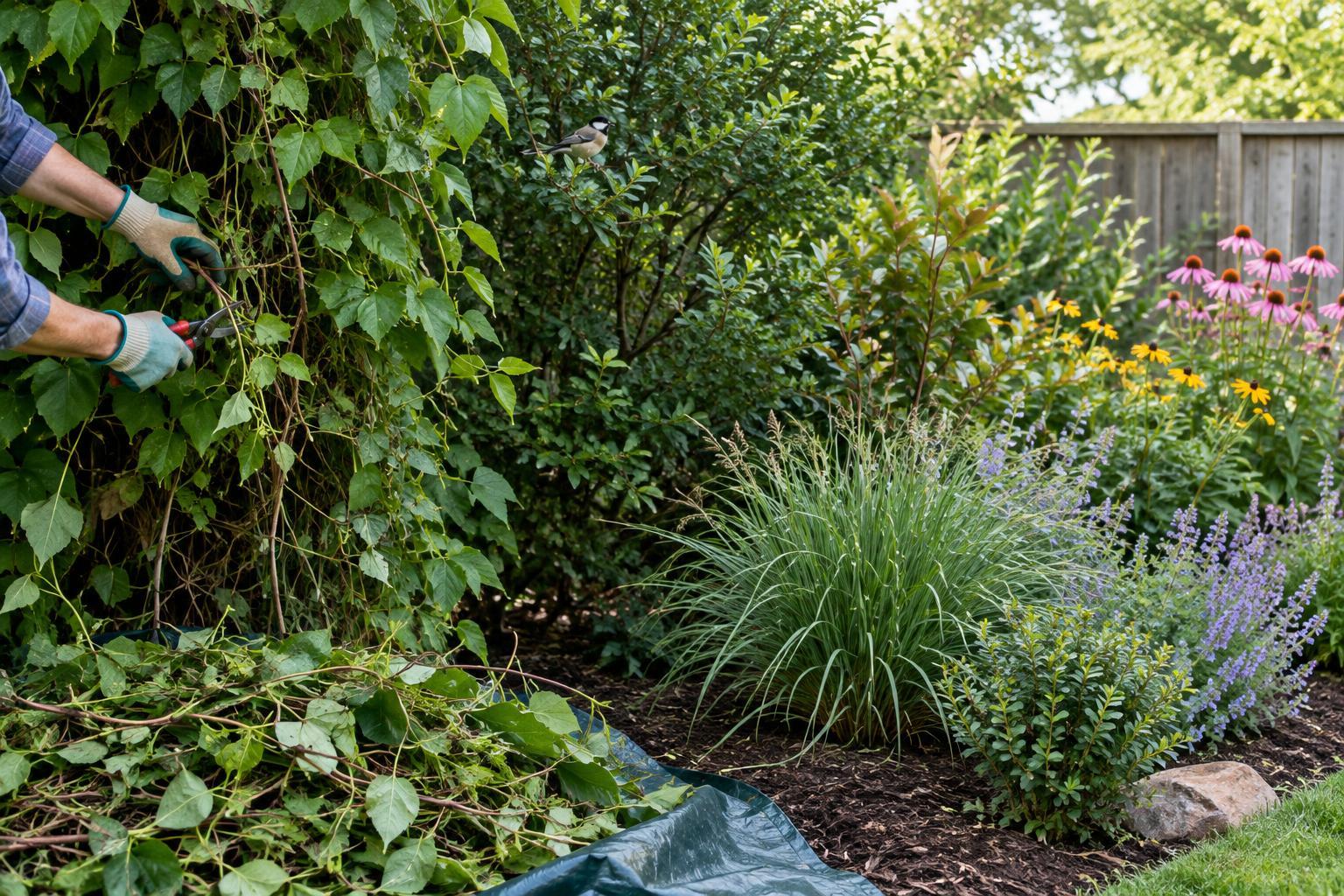
Wildlife-Friendly SpacesAn invasive plant may provide cover today while crowding out the plants wildlife could use tomorrow. Learn how to identify the problem, remove growth in stages, protect active nests and replace lost shelter with a more resilient mix of plants.
Read article · 4 min↗
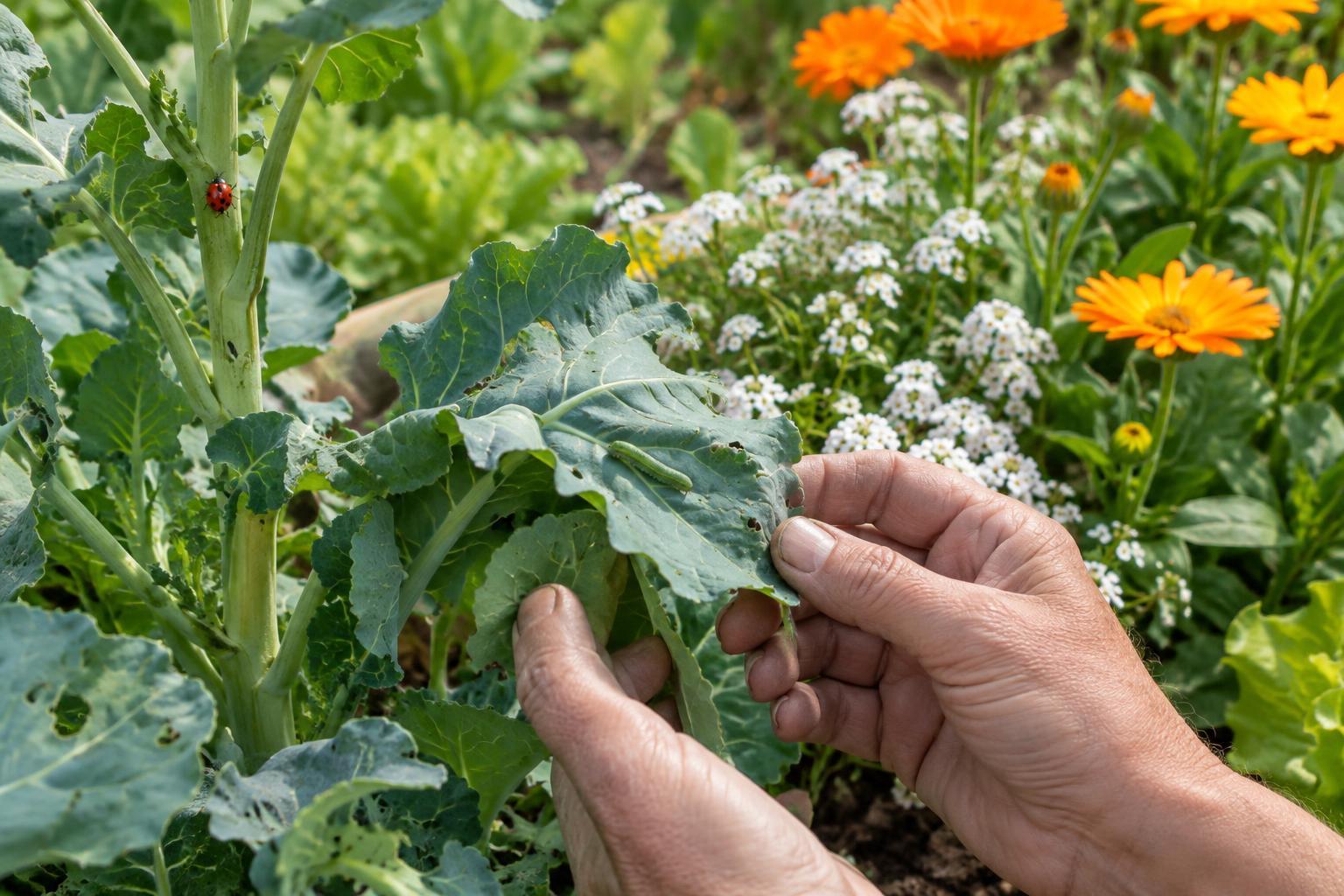
Wildlife-Friendly SpacesA chewed leaf does not always call for a spray. Learn how to identify garden pests, judge whether action is needed, use simple physical controls and protect the insects that help keep a garden in balance.
Read article · 4 min↗
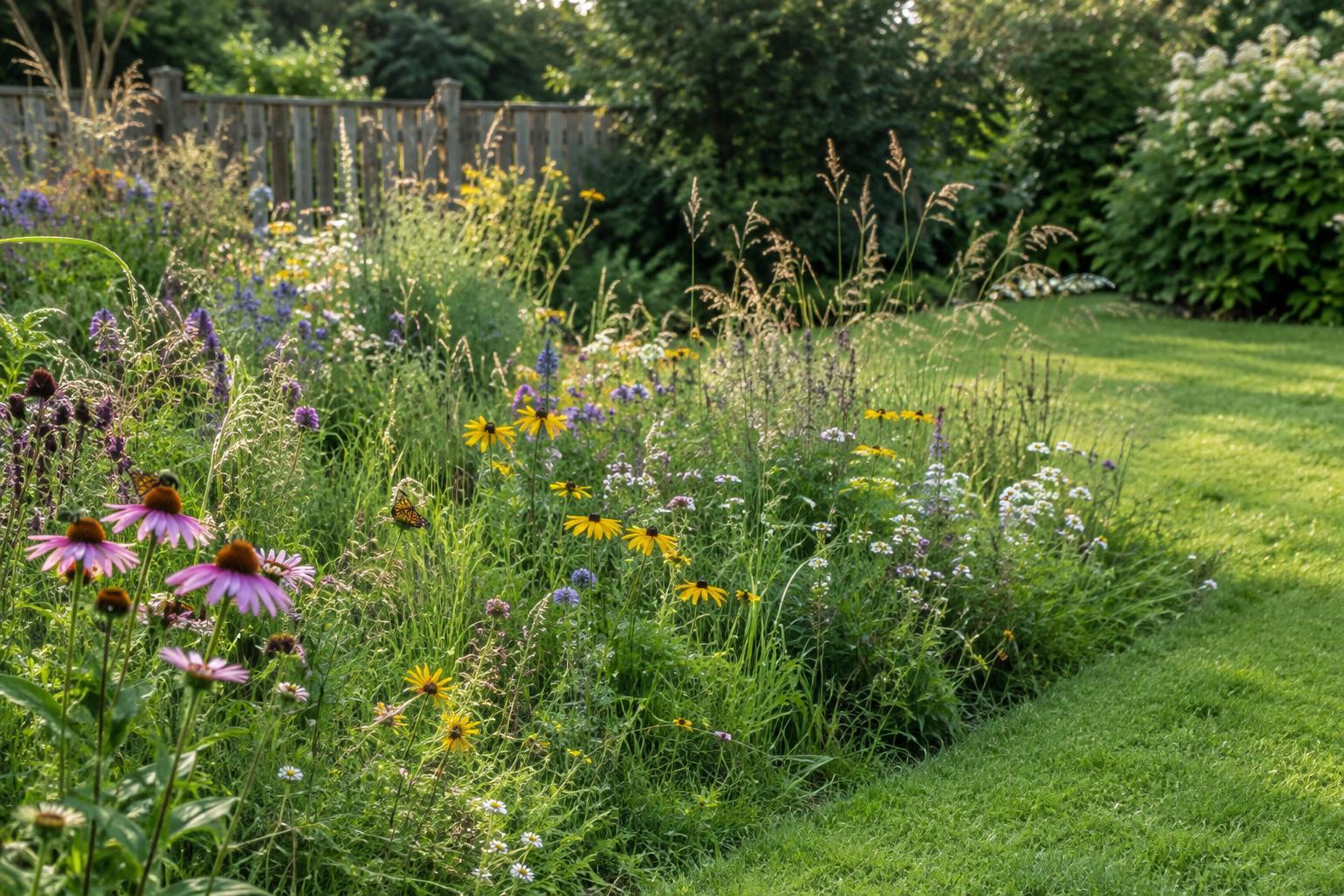
Wildlife-Friendly SpacesA small meadow can bring flowers, seed heads and shelter to a yard without taking over the whole lawn. Learn how to choose a suitable spot, remove turf, select plants for your region and care for the planting as it establishes.
Read article · 4 min↗
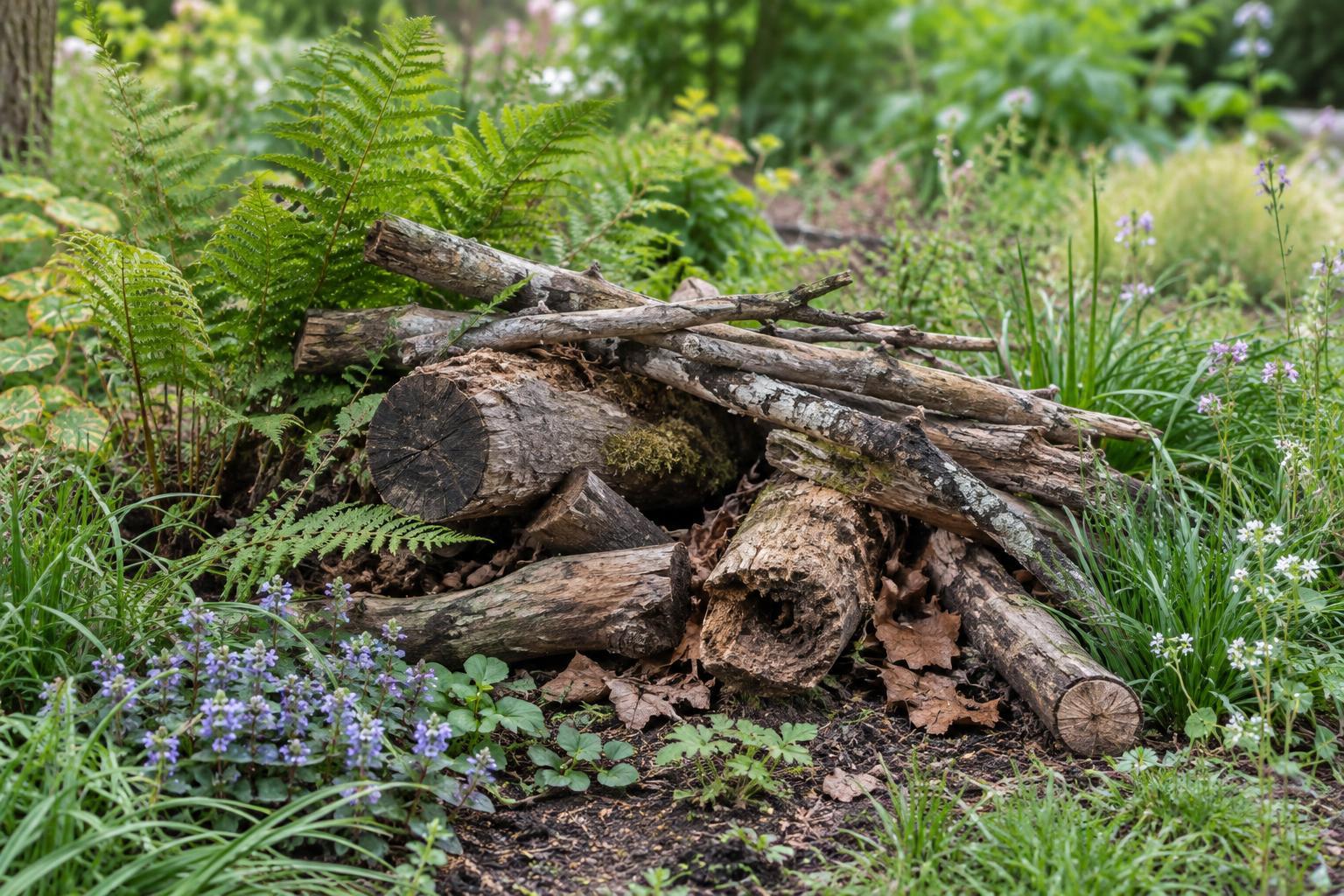
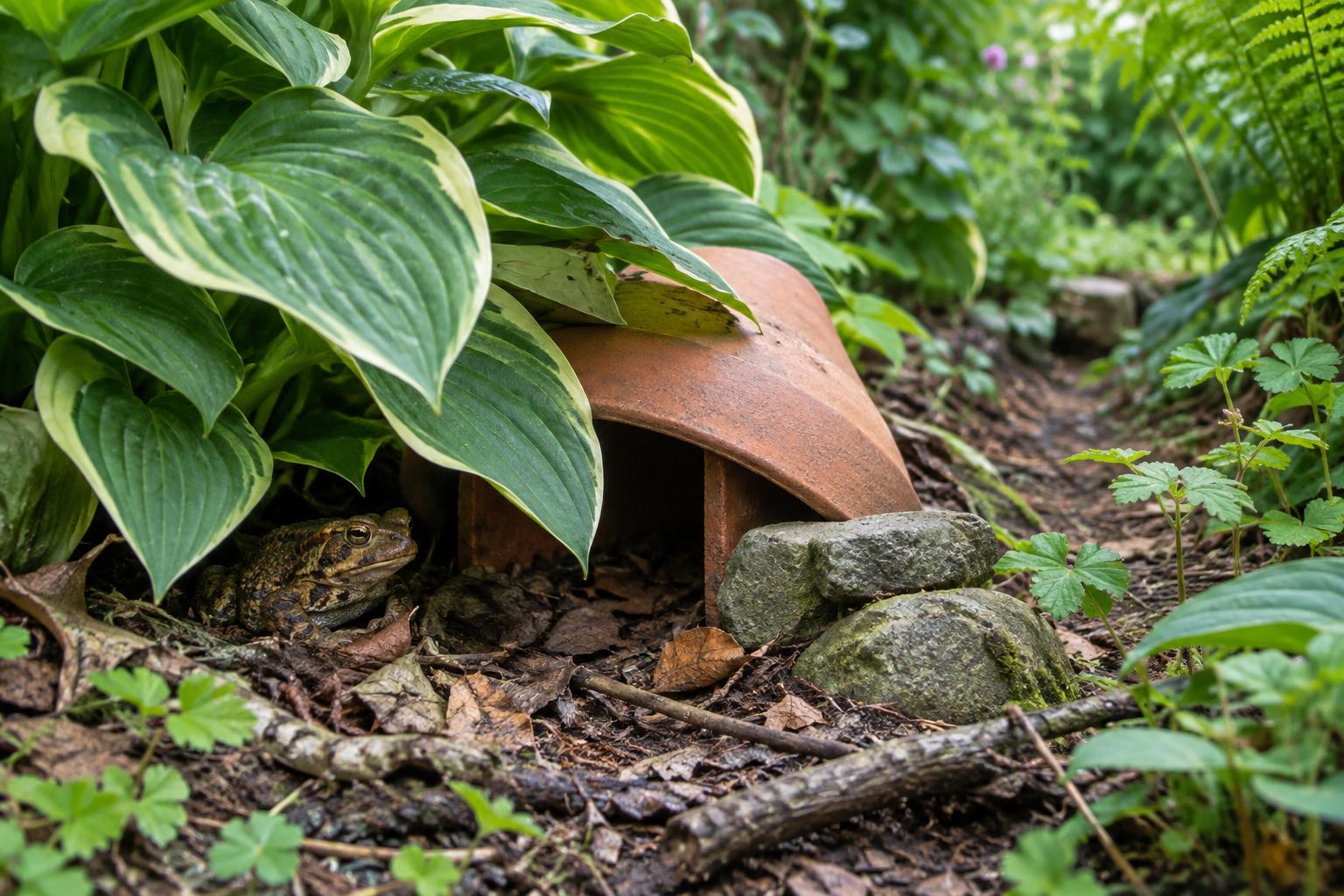
Wildlife-Friendly SpacesA pond is not the only way to make a garden useful to frogs and toads. Shady planting, undisturbed ground cover and safe routes through the garden can offer places to rest and hunt, even if the animals breed elsewhere.
Read article · 3 min↗
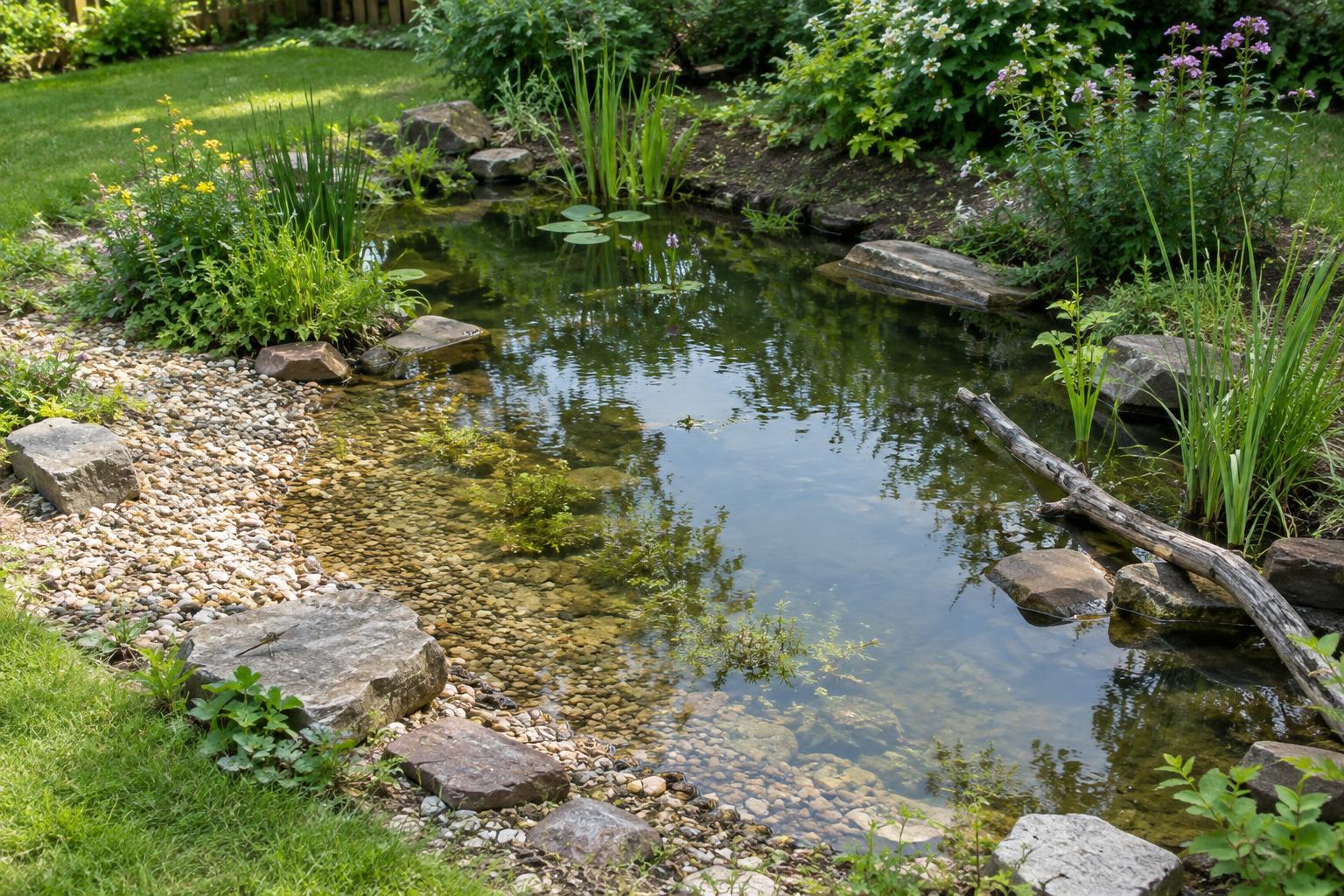
Wildlife-Friendly SpacesA small pond can offer water and shelter even in a modest garden. Learn how to choose a site, create shallow edges and reliable escape routes, add plants, and care for the pond through the seasons.
Read article · 4 min↗
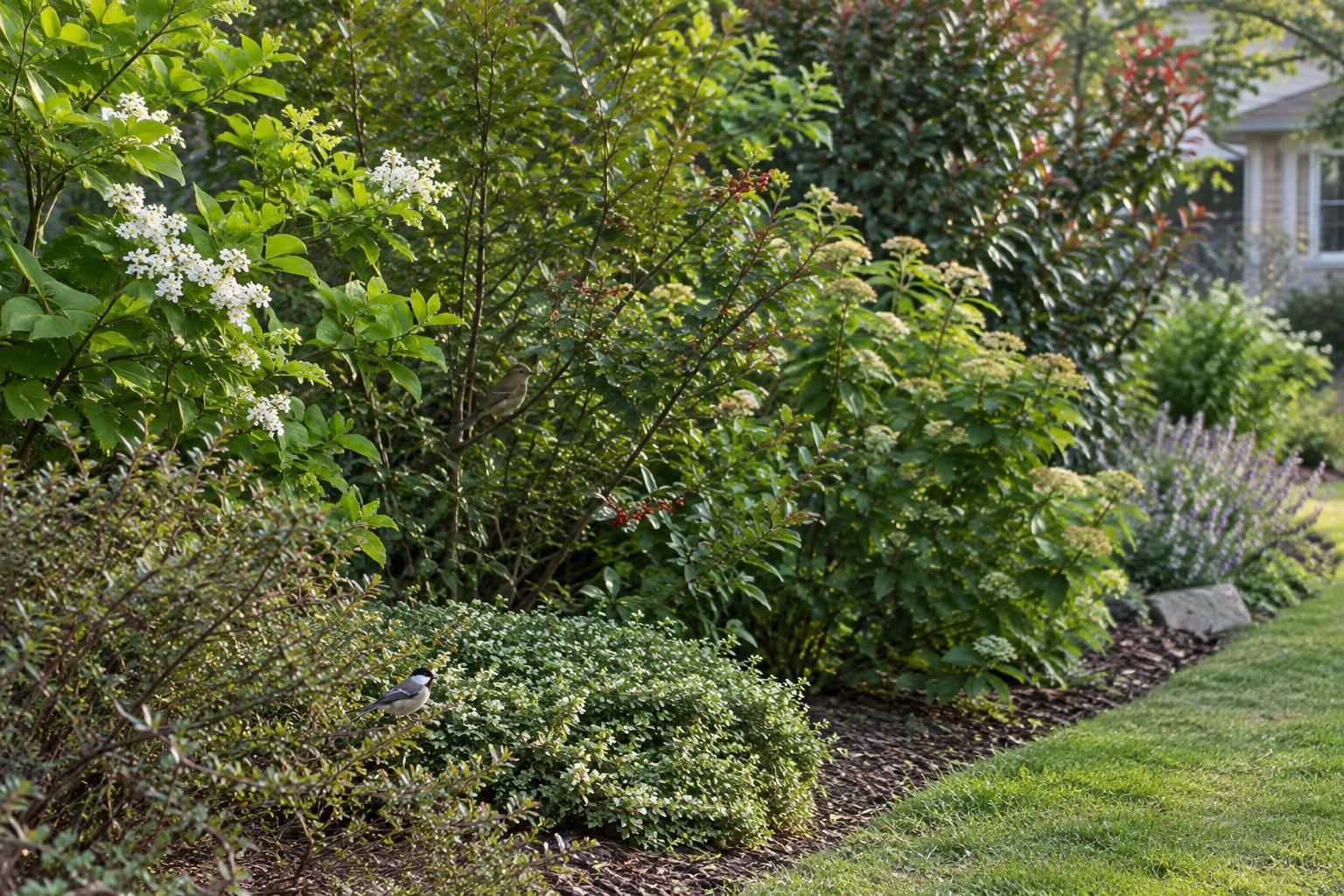
Wildlife-Friendly SpacesA layered shrub planting can give birds cover close to the ground, protected places to rest and, where conditions suit, potential nesting sites. Learn how to choose shrubs, arrange them for density, plant them well and care for them without disturbing wildlife.
Read article · 4 min↗
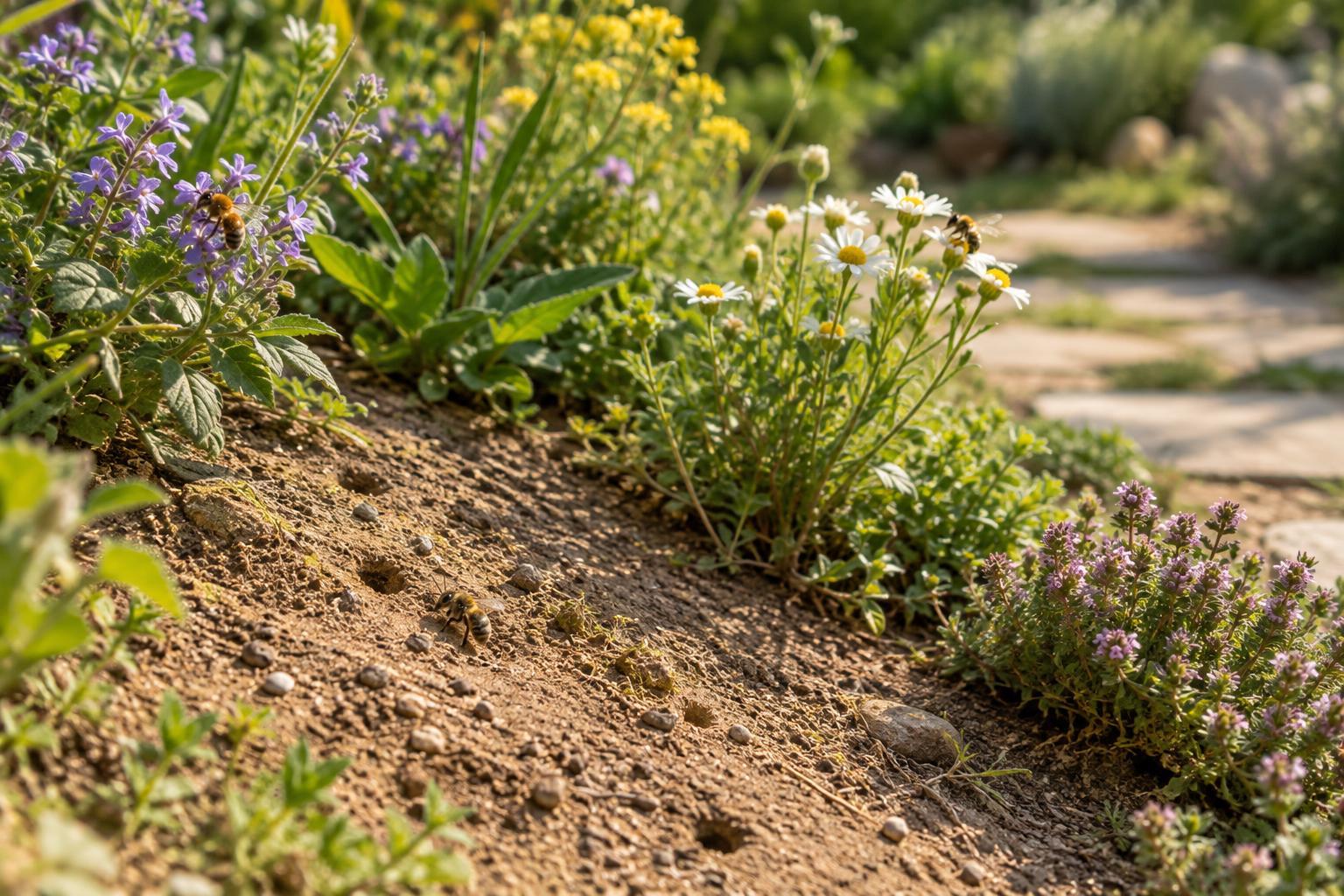
Wildlife-Friendly SpacesA small patch of exposed soil can offer nesting space for ground-nesting native bees. Learn where to place one, how to prepare it without overworking the soil, and how to keep it useful alongside flowers and other garden habitat.
Read article · 4 min↗
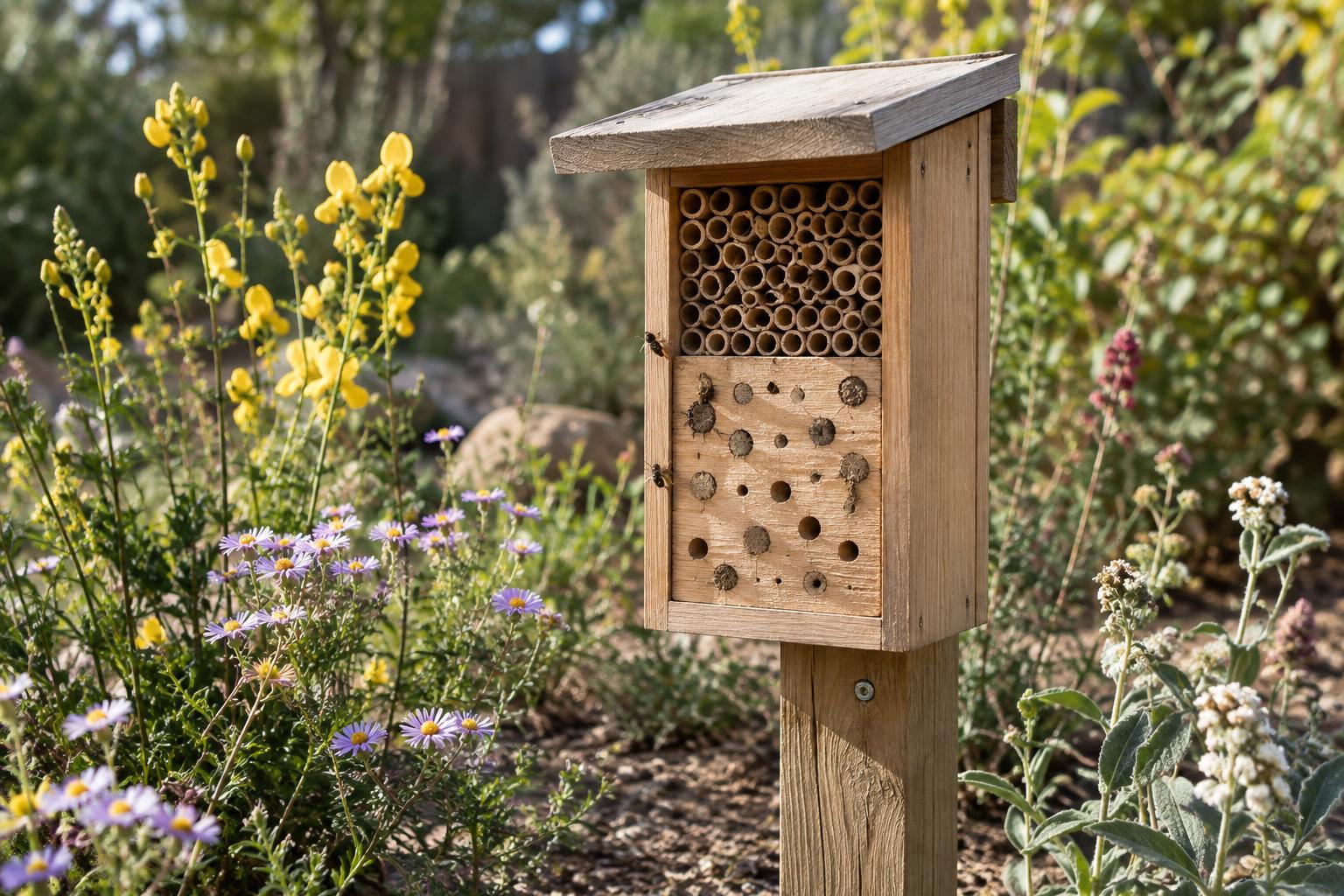
Wildlife-Friendly SpacesA solitary bee nest box can offer nesting space for some cavity-nesting bees, but its location and upkeep matter. Learn how to choose a dry, sheltered spot, provide useful habitat nearby, and care for the box without disturbing developing bees.
Read article · 4 min↗
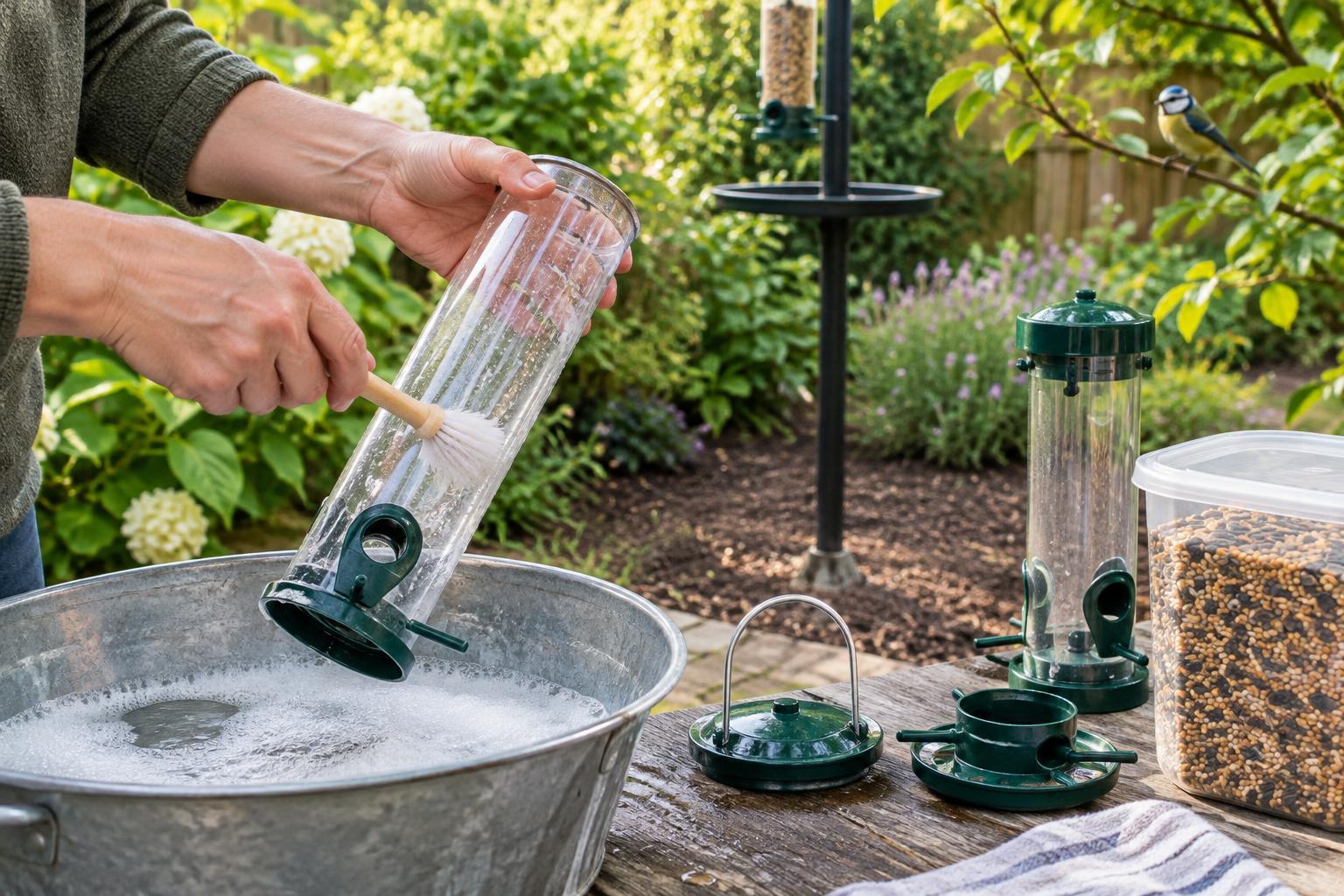
Wildlife-Friendly SpacesA bird feeder can bring wildlife into view, but shared feeding spots also need regular care. Learn how to clean feeders, keep seed dry, manage the ground below and respond if birds appear unwell.
Read article · 4 min↗
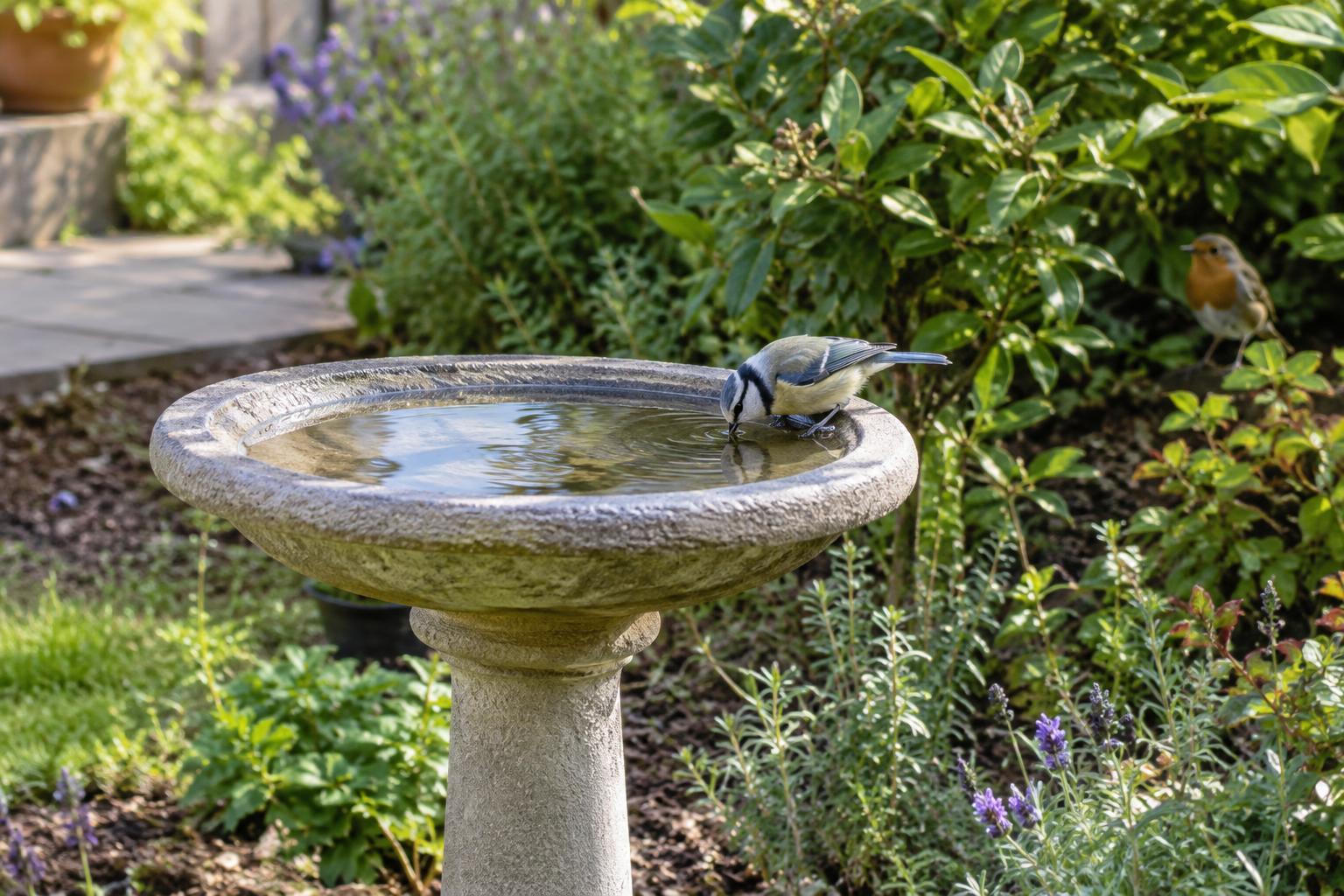
Wildlife-Friendly SpacesA birdbath can offer birds a place to drink and bathe, but its location and upkeep matter. Learn how to choose a shallow basin, place it with bird safety in mind, and keep the water fresh through changing seasons.
Read article · 4 min↗
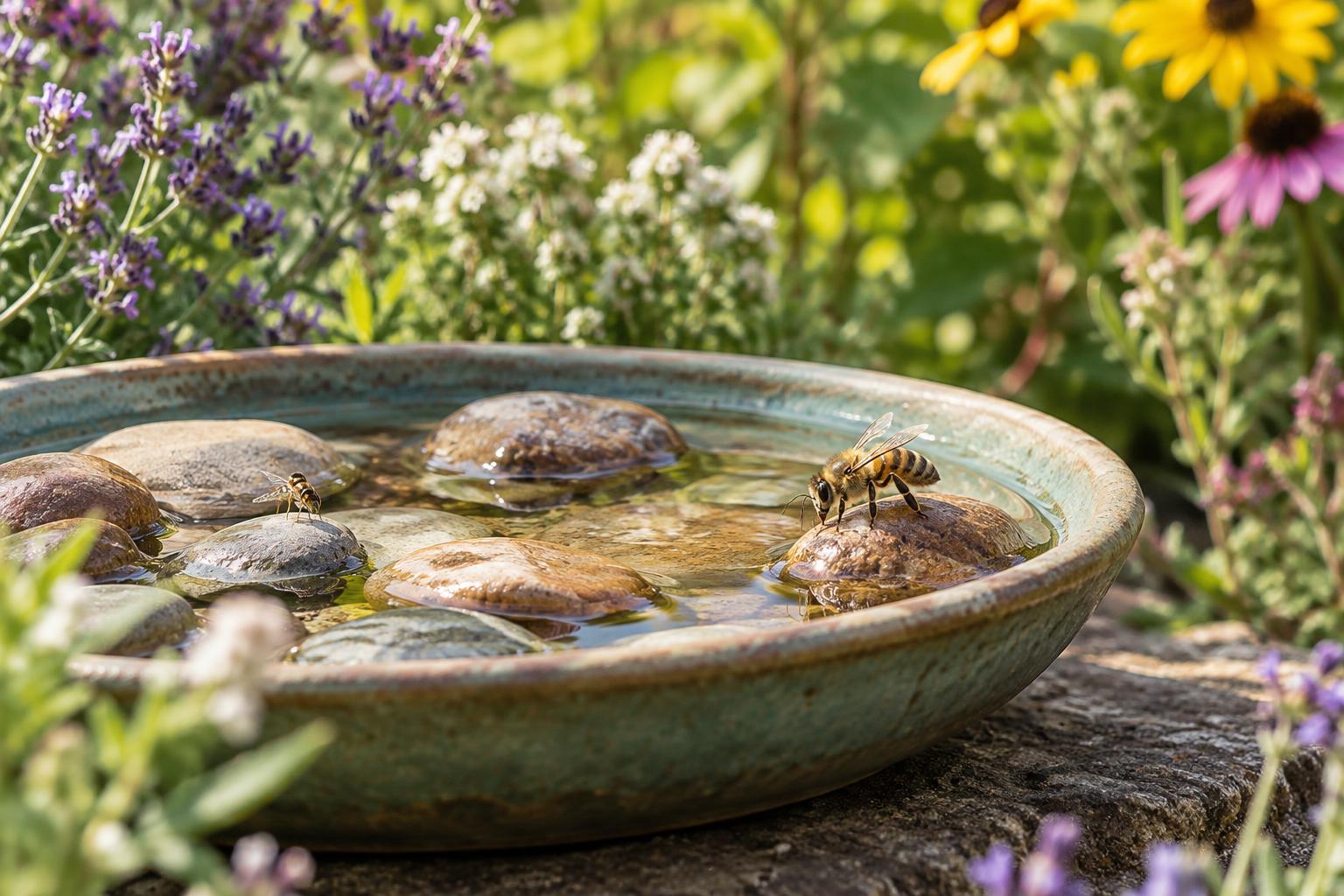
Wildlife-Friendly SpacesA shallow water station can help visiting insects drink without turning a garden feature into a trap. Learn how to choose a spot, add safe landing places and keep the water fresh with a simple care routine.
Read article · 4 min↗
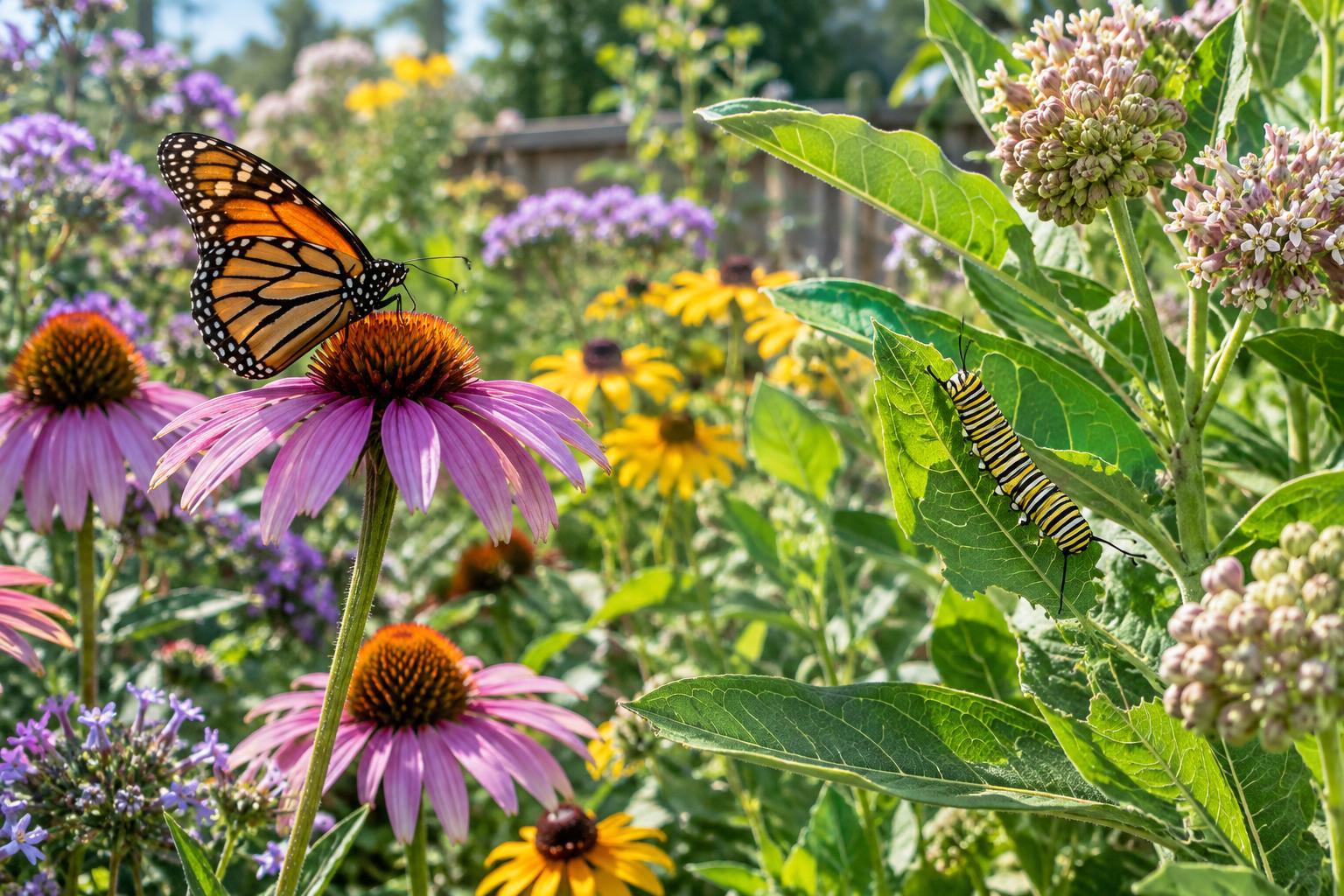
Wildlife-Friendly SpacesFlowers may draw adult butterflies into a garden, but caterpillars need the right plants to grow. Learn how nectar plants and host plants serve different stages of a butterfly’s life, and how to make room for both in a practical garden.
Read article · 4 min↗
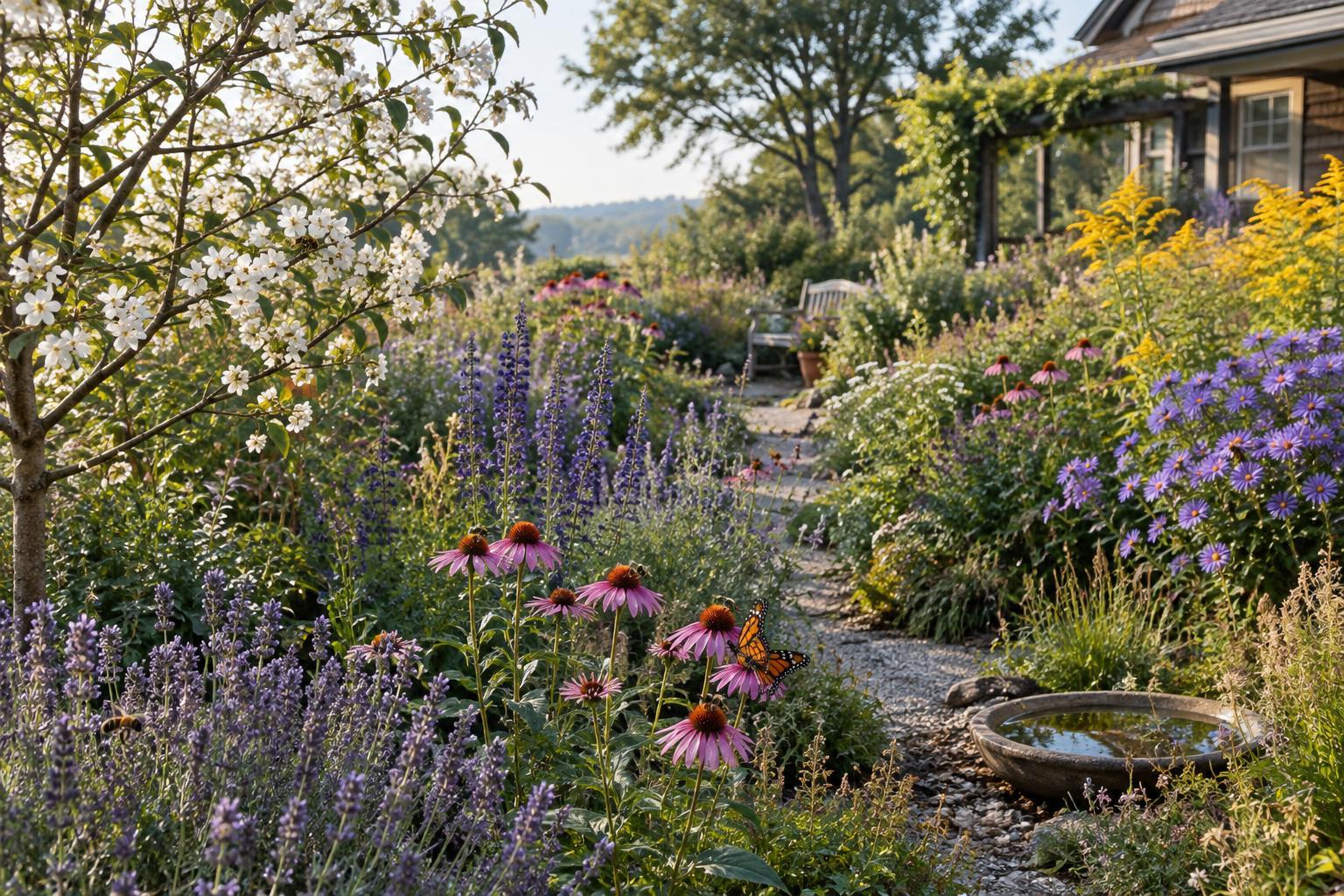
Wildlife-Friendly SpacesA pollinator-friendly garden needs more than one spectacular week of flowers. Learn how to map bloom times, choose plants for your climate and keep useful flowers coming from spring through fall.
Read article · 4 min↗
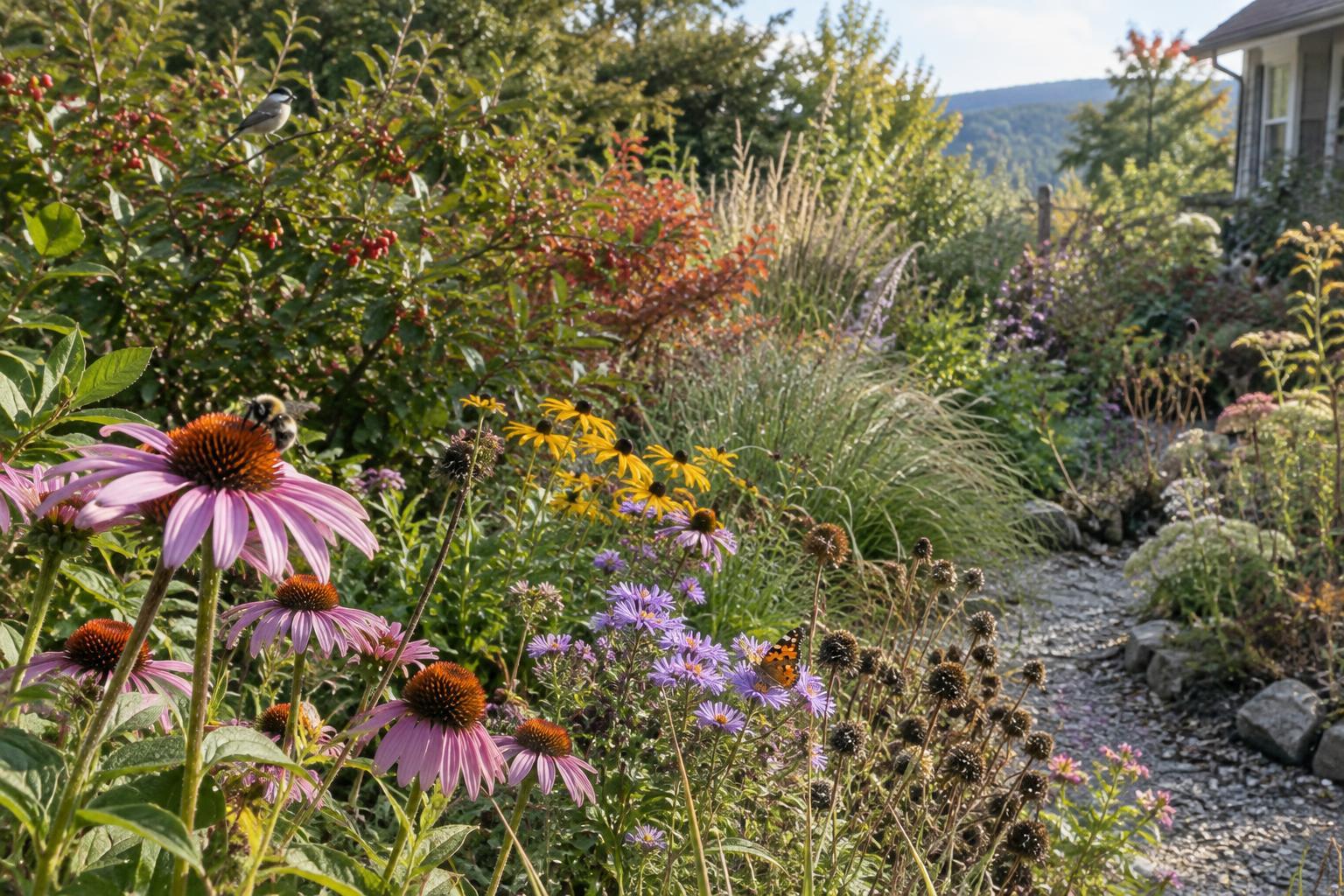
Wildlife-Friendly SpacesA wildlife-friendly garden starts with plants suited to your place. Learn how to identify locally native species, match them to your site, and choose a mix that offers food and shelter across the seasons.
Read article · 4 min↗