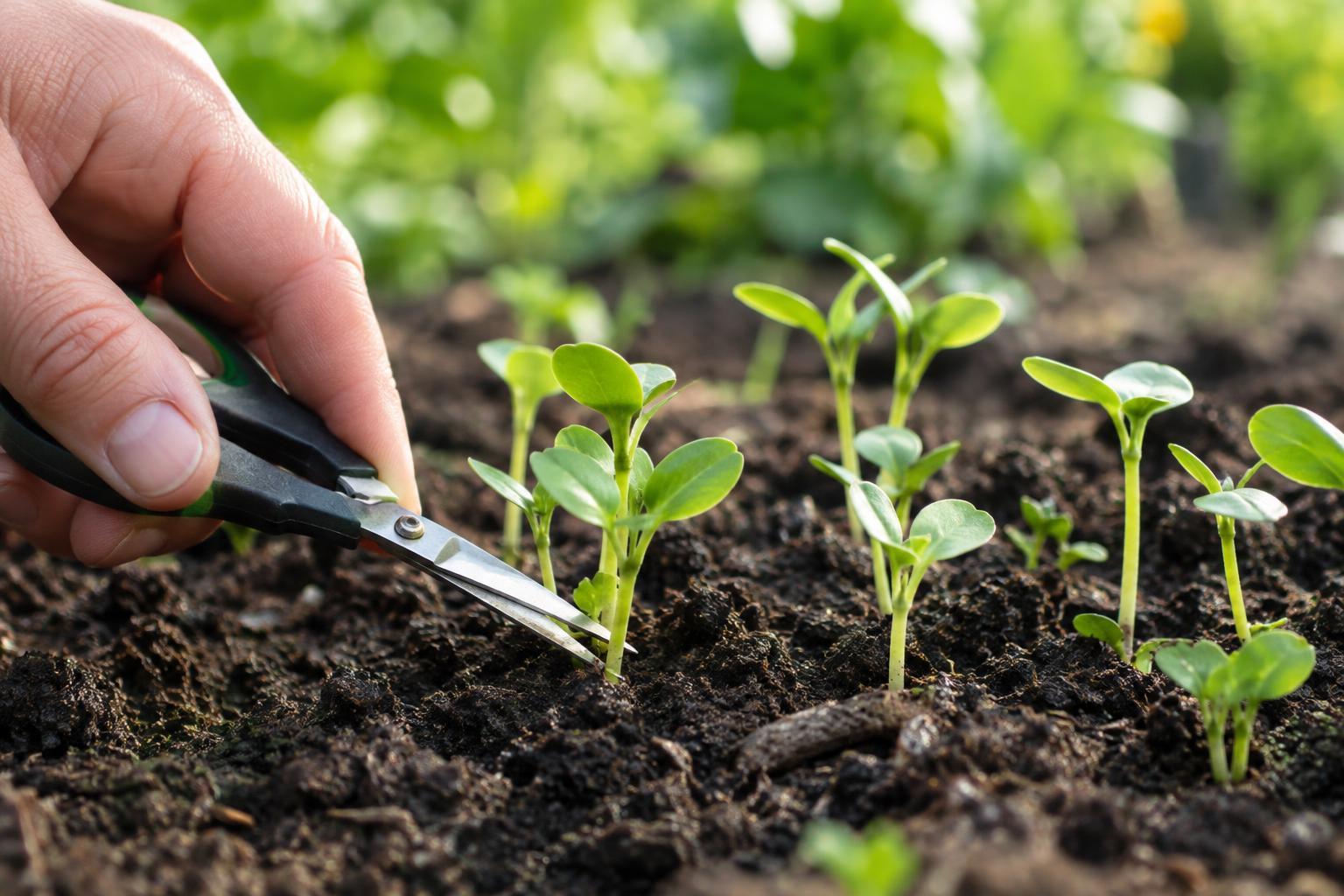
Plants and GrowingWhen too many seeds sprout in one spot, thinning gives the remaining plants room to grow. Learn when to start, how to choose which seedlings to keep, and why cutting extras at soil level is often gentler than pulling them.
Read article · 3 min↗
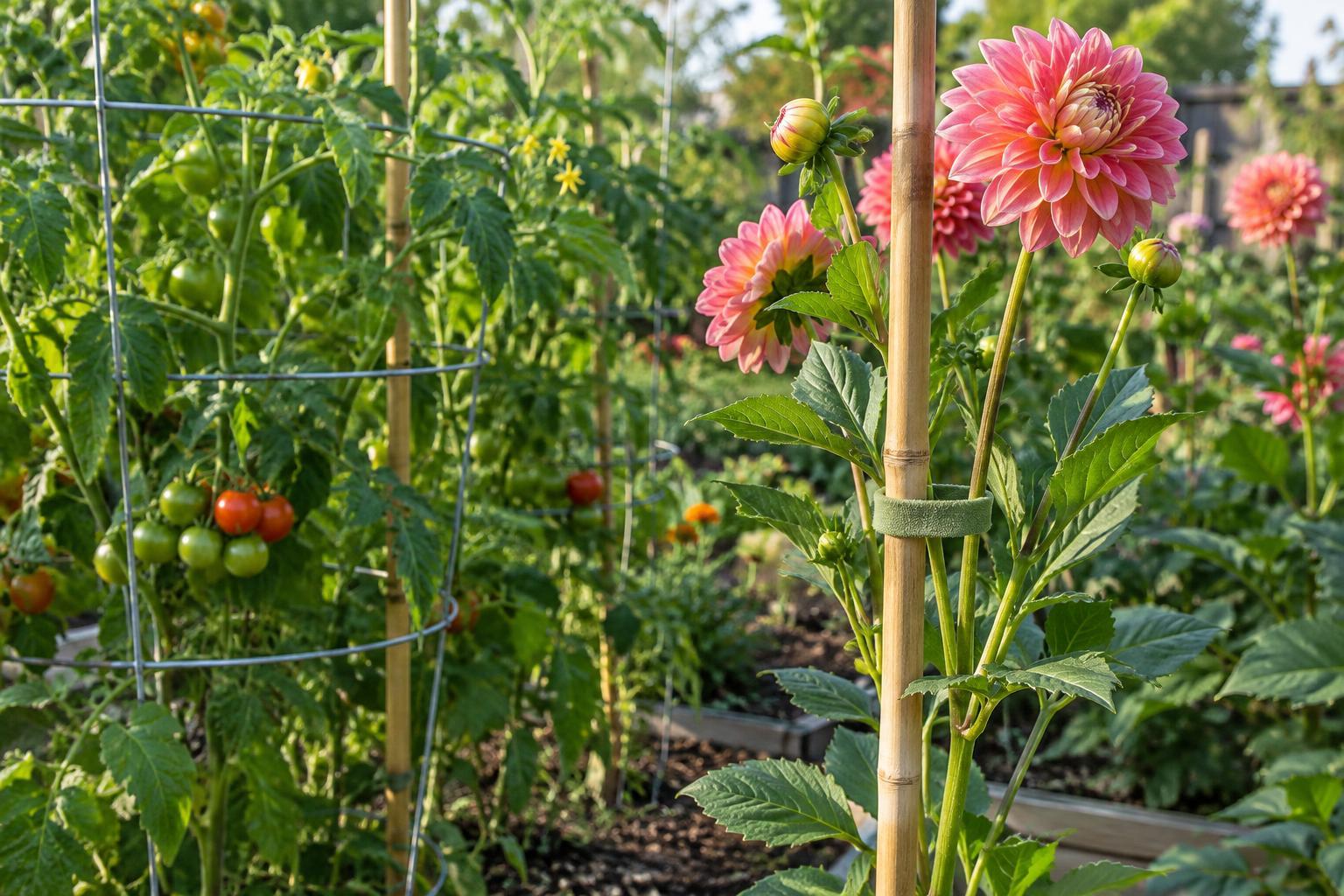
Plants and GrowingTall flowers and vegetables can lean or break as they grow. Learn when to add supports, how to choose between stakes and cages, and how to tie stems without squeezing them.
Read article · 4 min↗
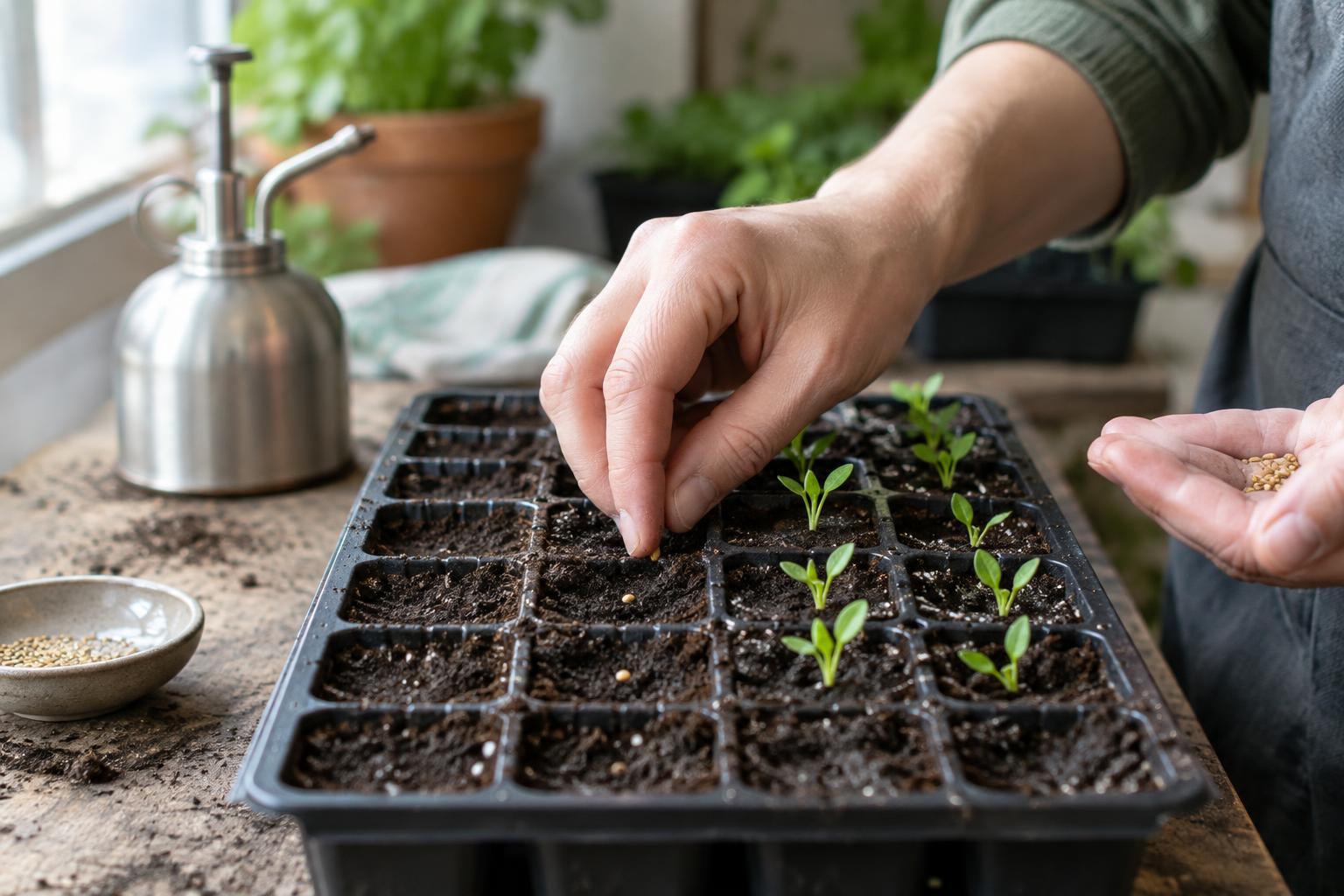
Plants and GrowingSeeds need the right balance of moisture, warmth, air and planting depth to sprout. Learn how to avoid common starting mistakes, diagnose slow germination and give young seedlings a better start.
Read article · 4 min↗
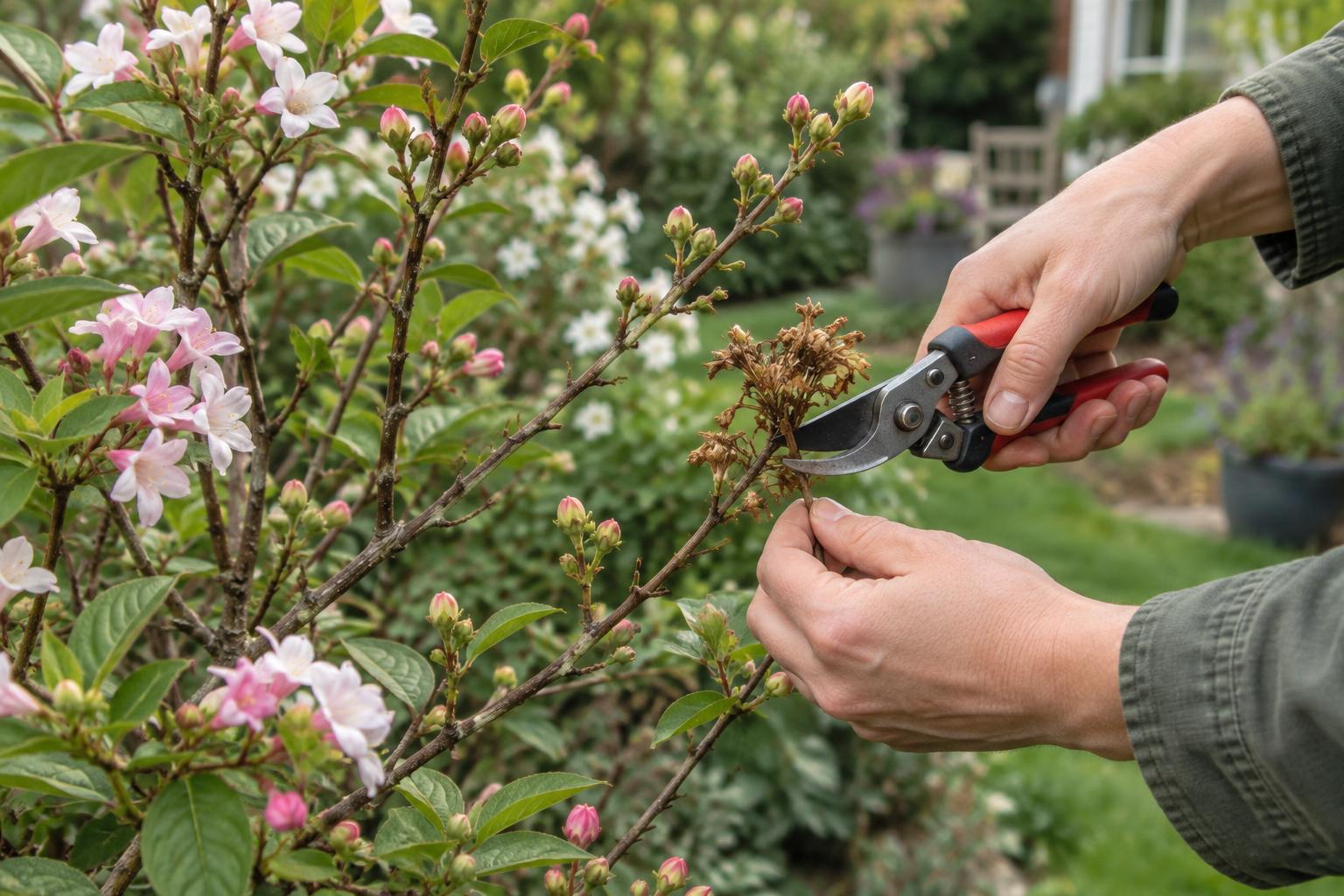
Plants and GrowingThe best time to prune a flowering shrub depends less on the calendar than on where it forms its flower buds. Learn how to tell old-wood bloomers from new-wood bloomers, choose a sensible pruning window and avoid cutting off next season’s flowers.
Read article · 4 min↗
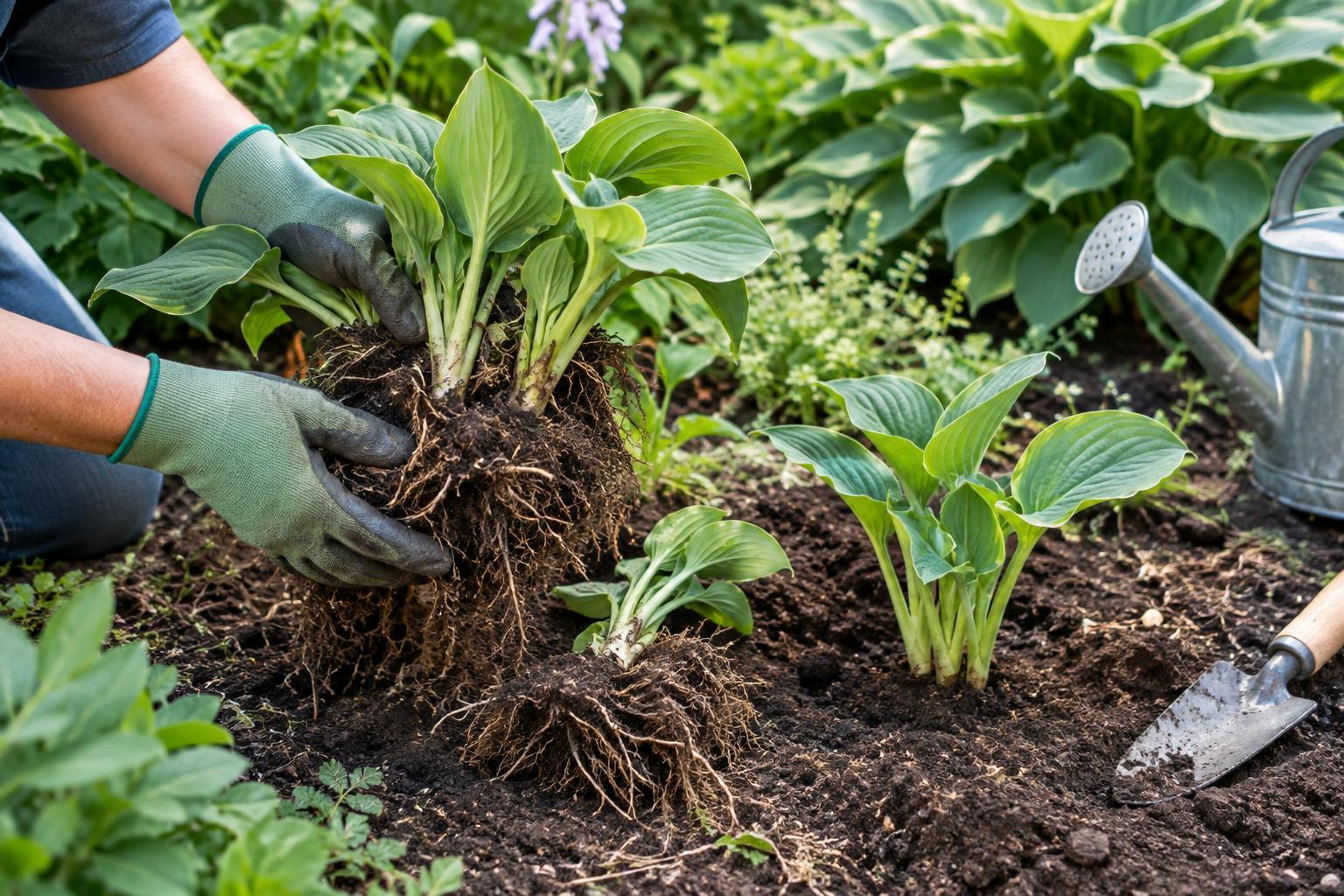
Plants and GrowingDividing a crowded perennial can give its roots more room and provide plants for another part of the garden. Learn when to divide, how to separate the roots and what the new divisions need to settle in.
Read article · 4 min↗
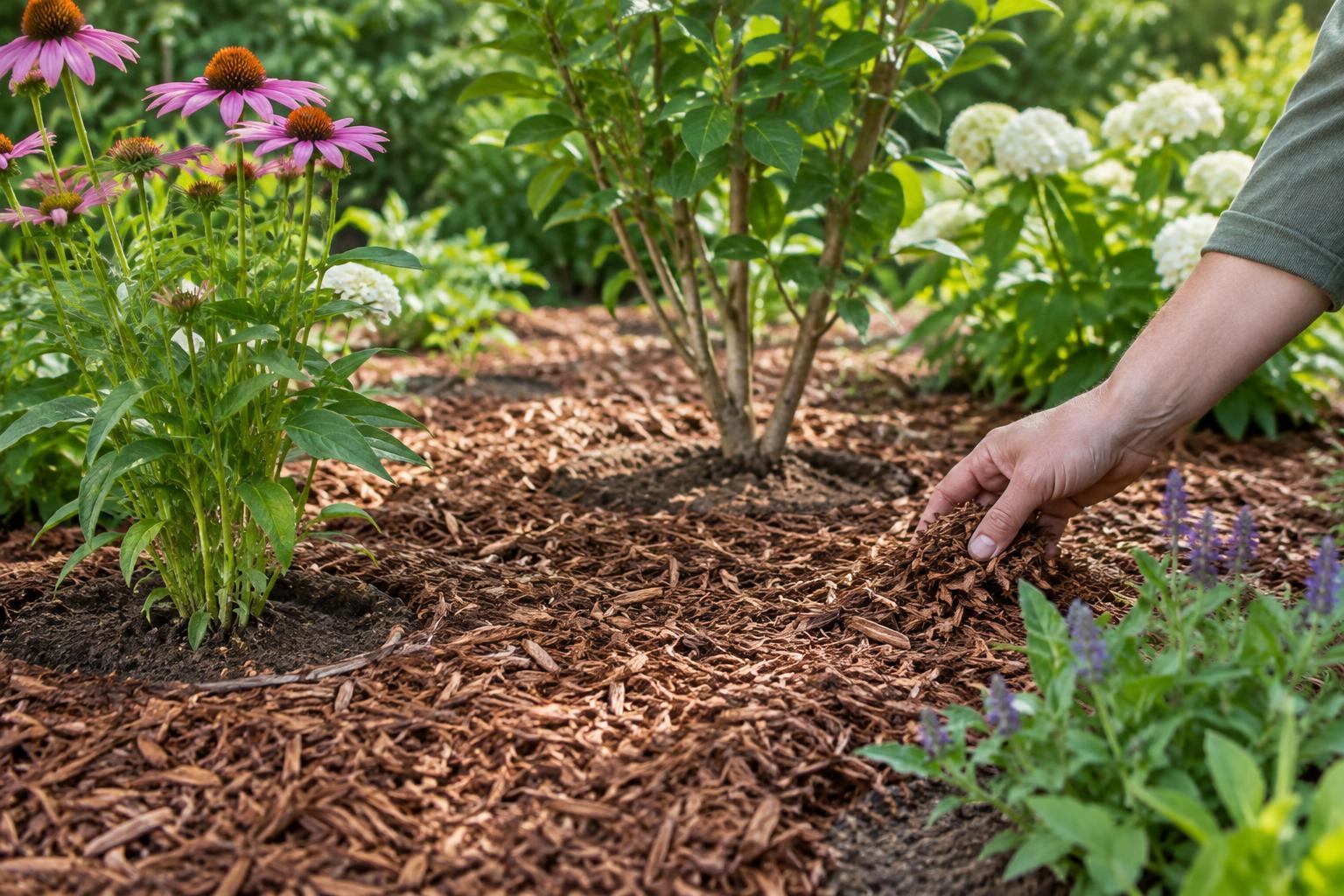
Plants and GrowingMulch helps soil hold moisture and can make weeding easier, but piling it against stems can cause trouble. Learn how to choose a suitable material, spread it to a useful depth and leave breathing room around flowers, vegetables, shrubs and trees.
Read article · 4 min↗
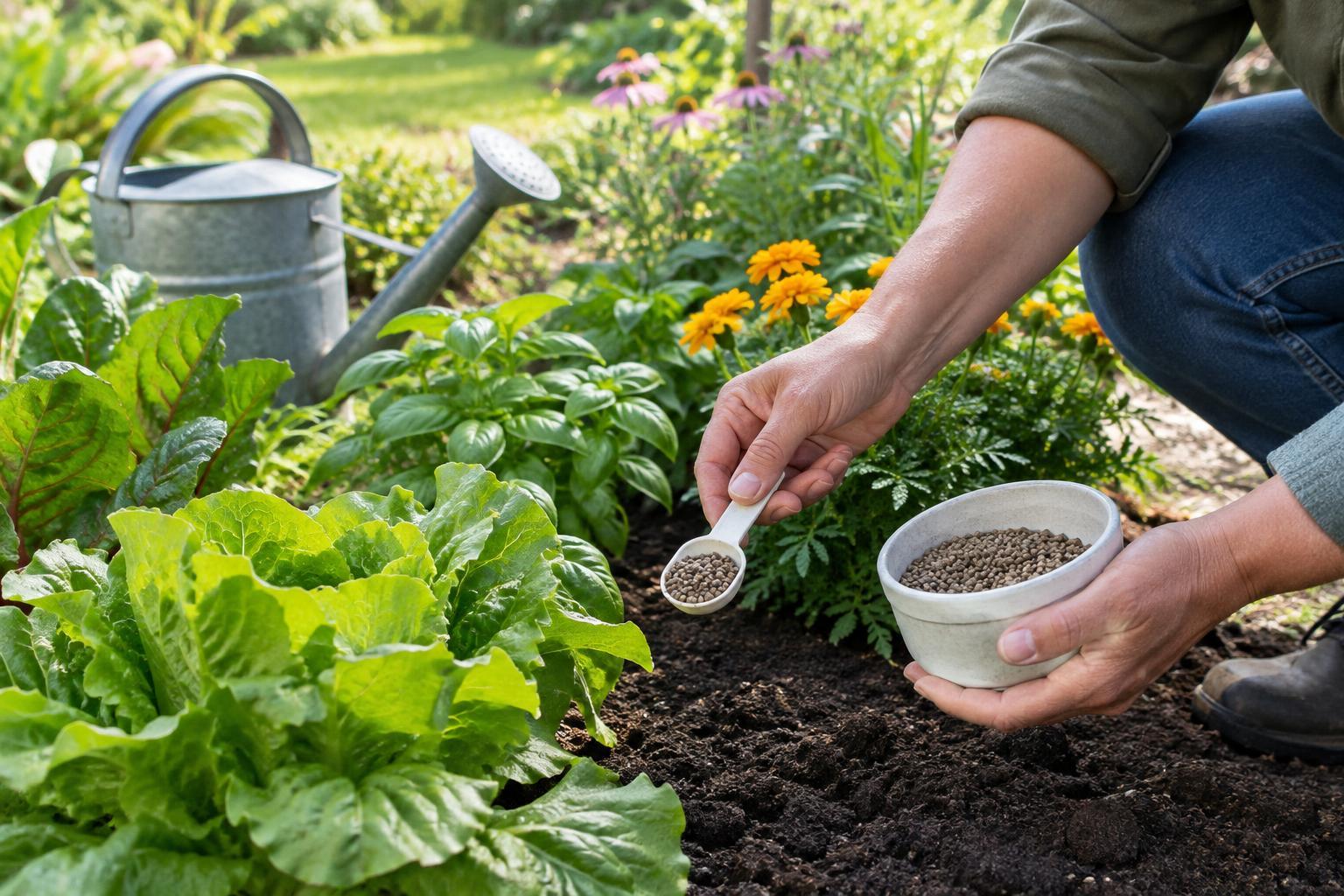
Plants and GrowingMore fertilizer does not always mean better growth. Learn how to decide whether plants need feeding, choose a suitable product, apply it carefully, and spot signs that it is time to pause.
Read article · 4 min↗
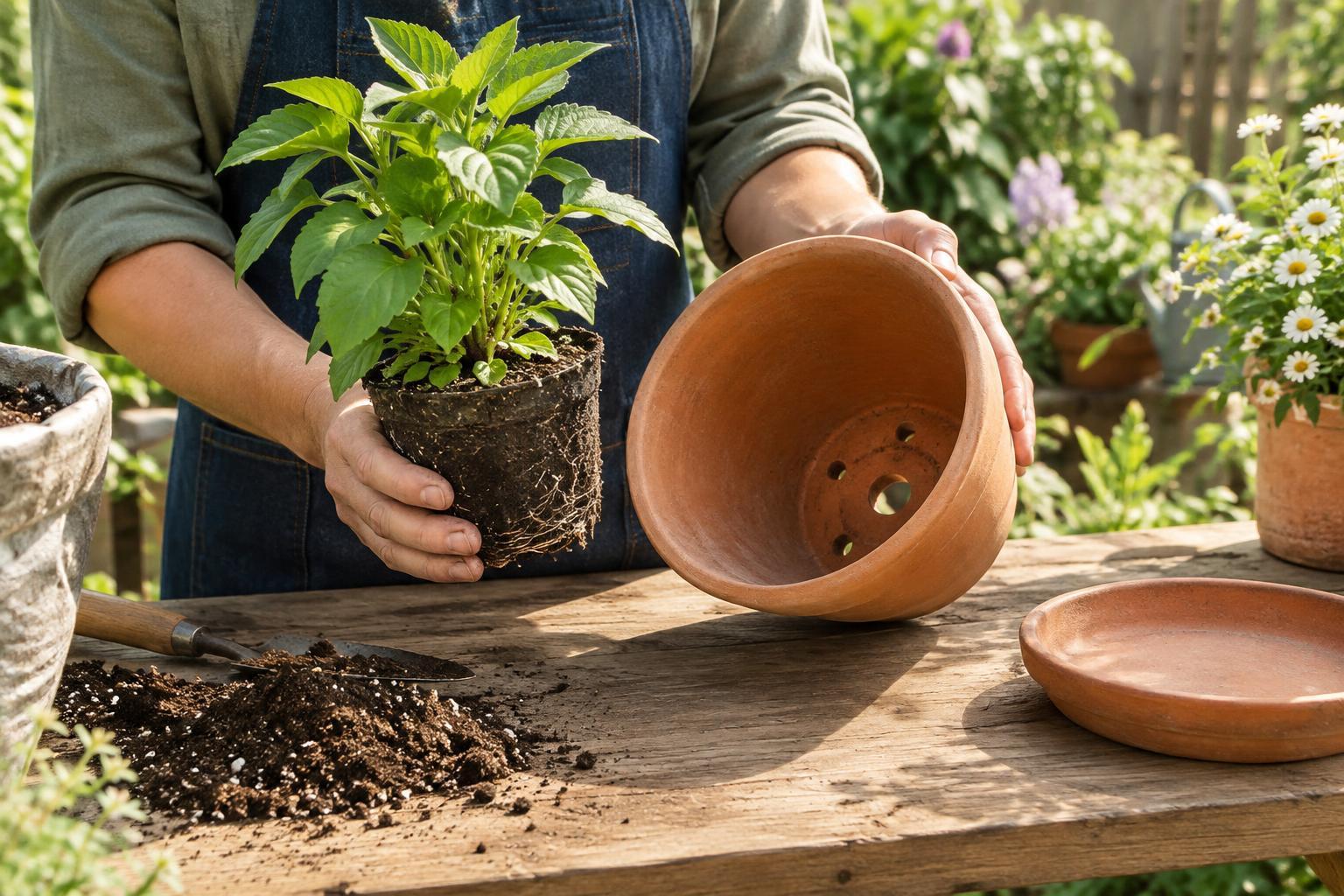
Plants and GrowingA good plant container gives roots space to grow while letting excess water escape. Learn how to judge pot size, check drainage, choose a suitable material and spot when a plant needs a change.
Read article · 4 min↗
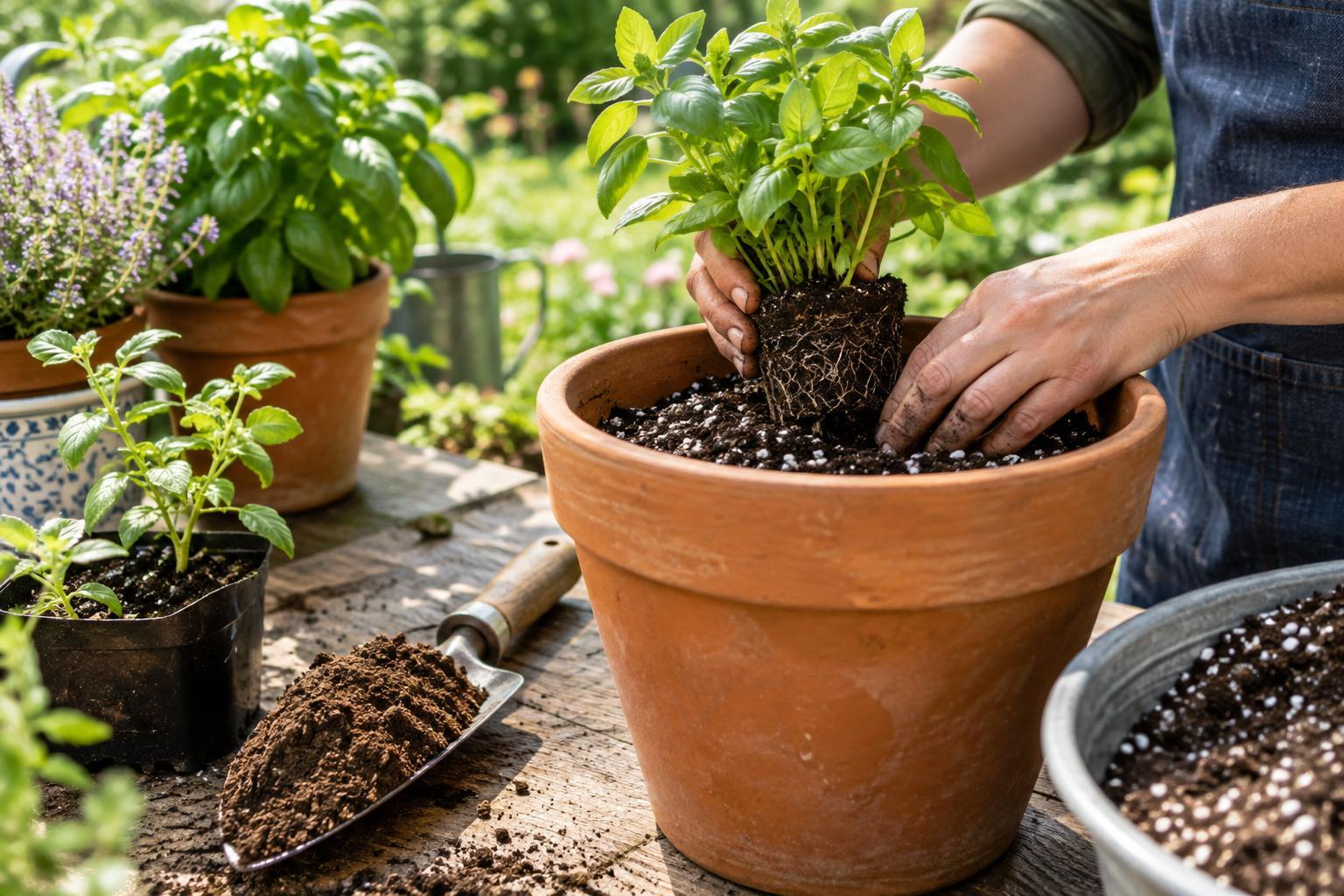
Plants and GrowingGarden soil and potting mix may look alike, but they behave differently in a container. Learn why a mix made for pots is usually the better starting point, how to choose one for your plants, and how to keep it working through the growing season.
Read article · 4 min↗
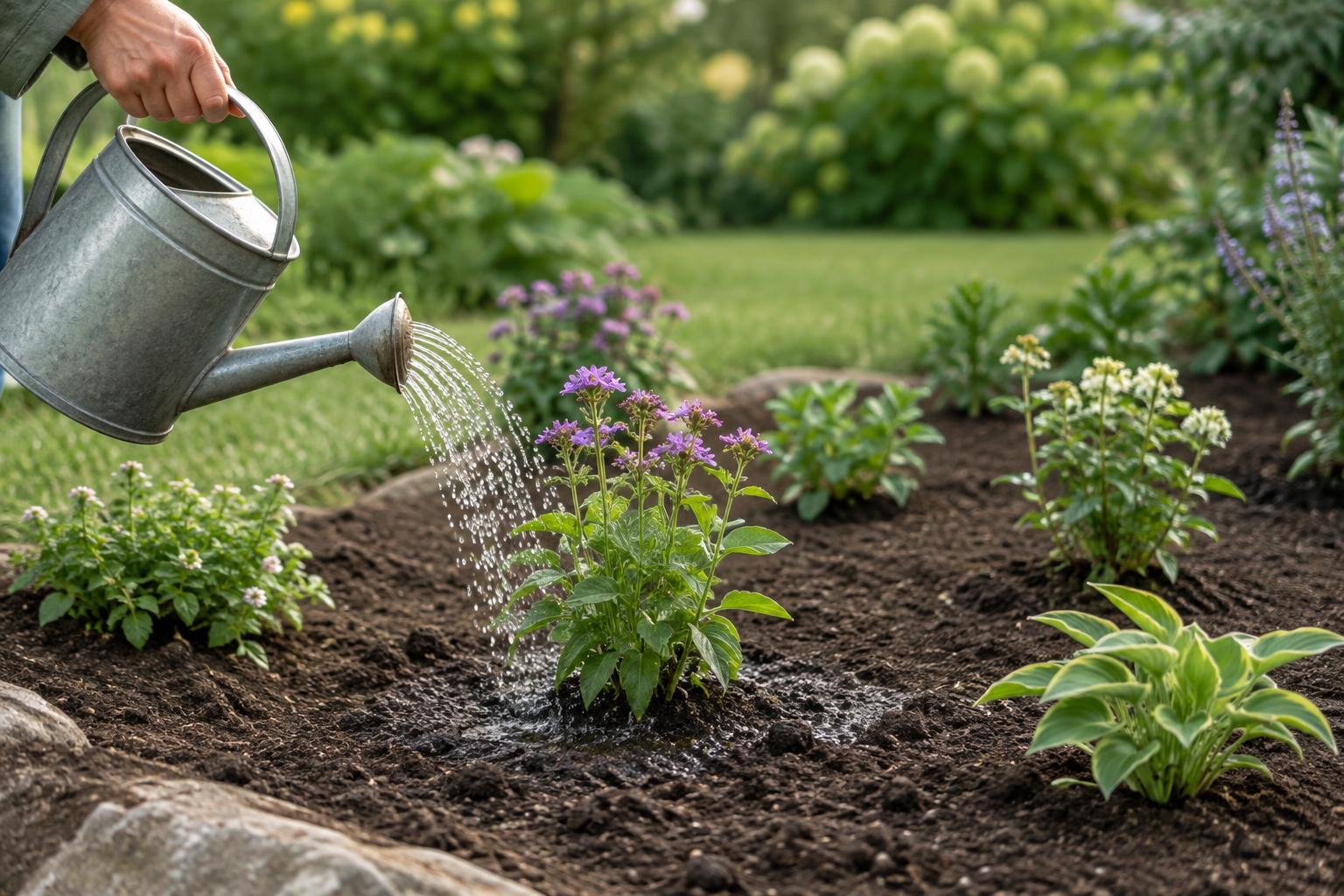
Plants and GrowingNew plants need steady moisture while their roots grow into the surrounding soil, but too much water can be as troublesome as too little. Learn how to check moisture, water the root zone, adjust for weather and soil, and recognize when a plant is becoming established.
Read article · 4 min↗
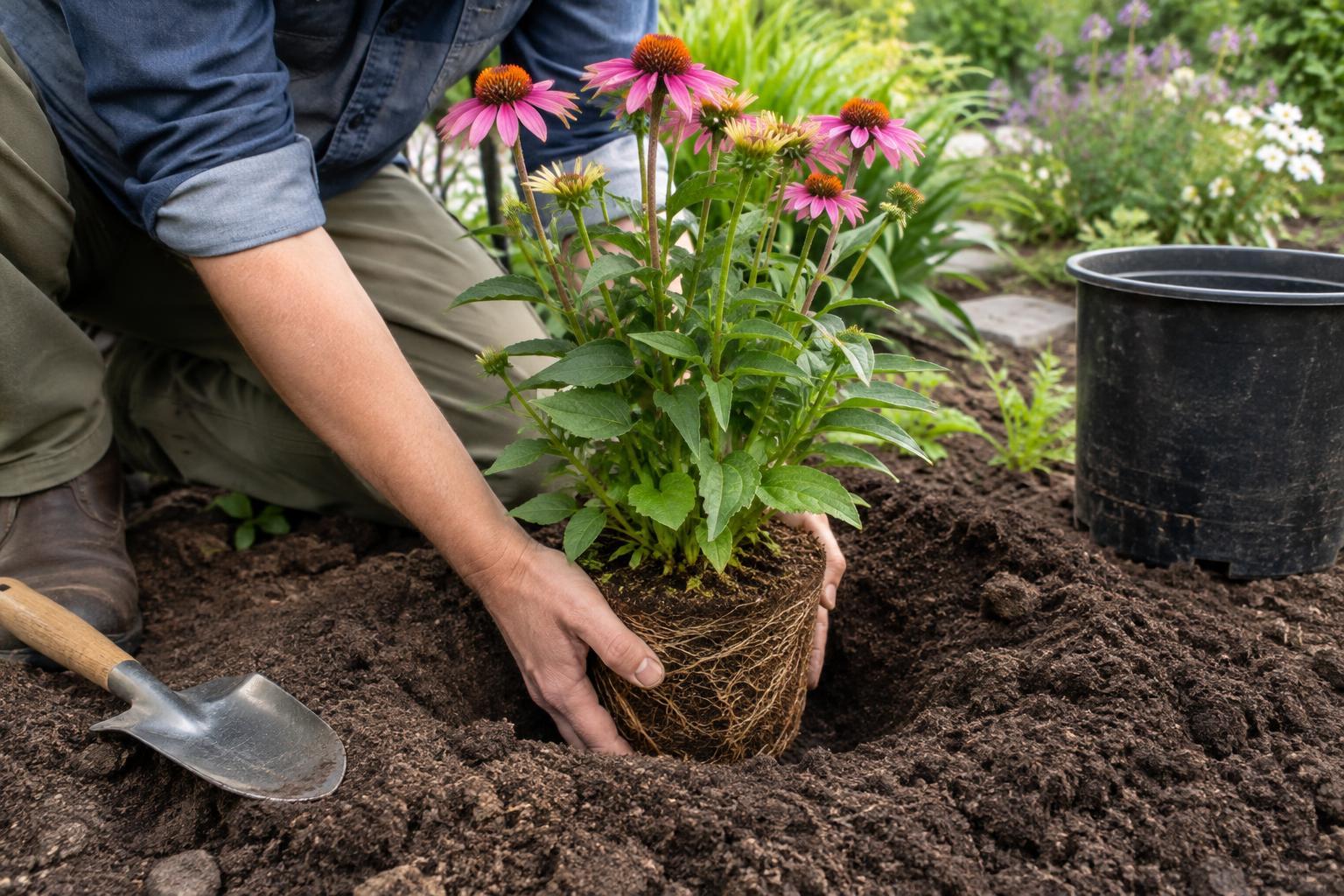
Plants and GrowingA plant can look well positioned in its pot yet end up buried too deeply in the garden. Learn how to find the crown or root flare, set a planting depth, and finish the job without piling soil or mulch against stems.
Read article · 4 min↗
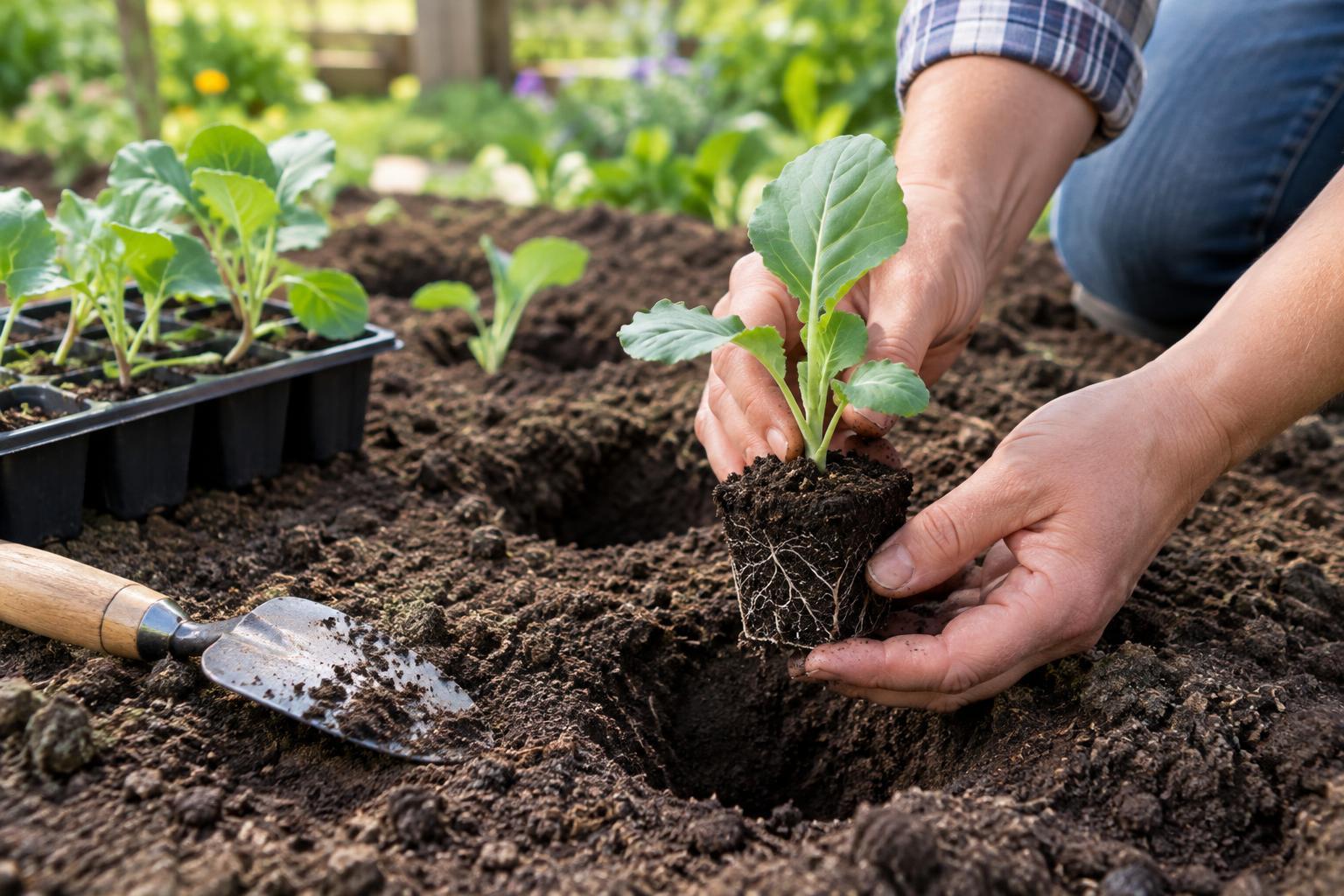
Plants and GrowingMoving seedlings from trays or small pots into larger containers or garden beds is easier when you prepare the new space first. Learn how to lift, handle and settle young plants with less root disturbance, then help them adjust after planting.
Read article · 4 min↗
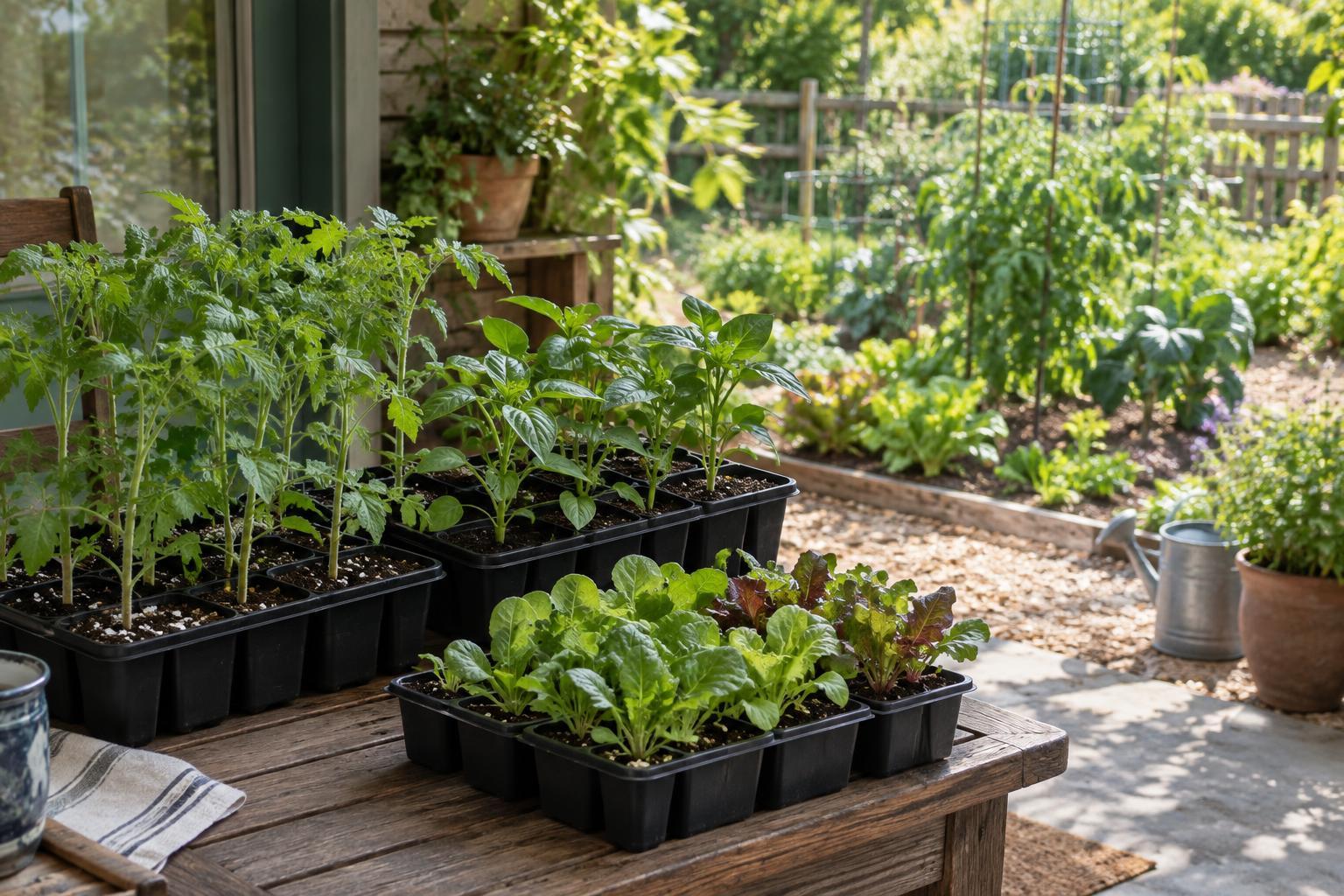
Plants and GrowingSeedlings raised indoors need time to adjust to outdoor sunlight, wind and changing temperatures. Learn a flexible, step-by-step approach to hardening them off, plus how to handle cold nights and signs of stress.
Read article · 4 min↗
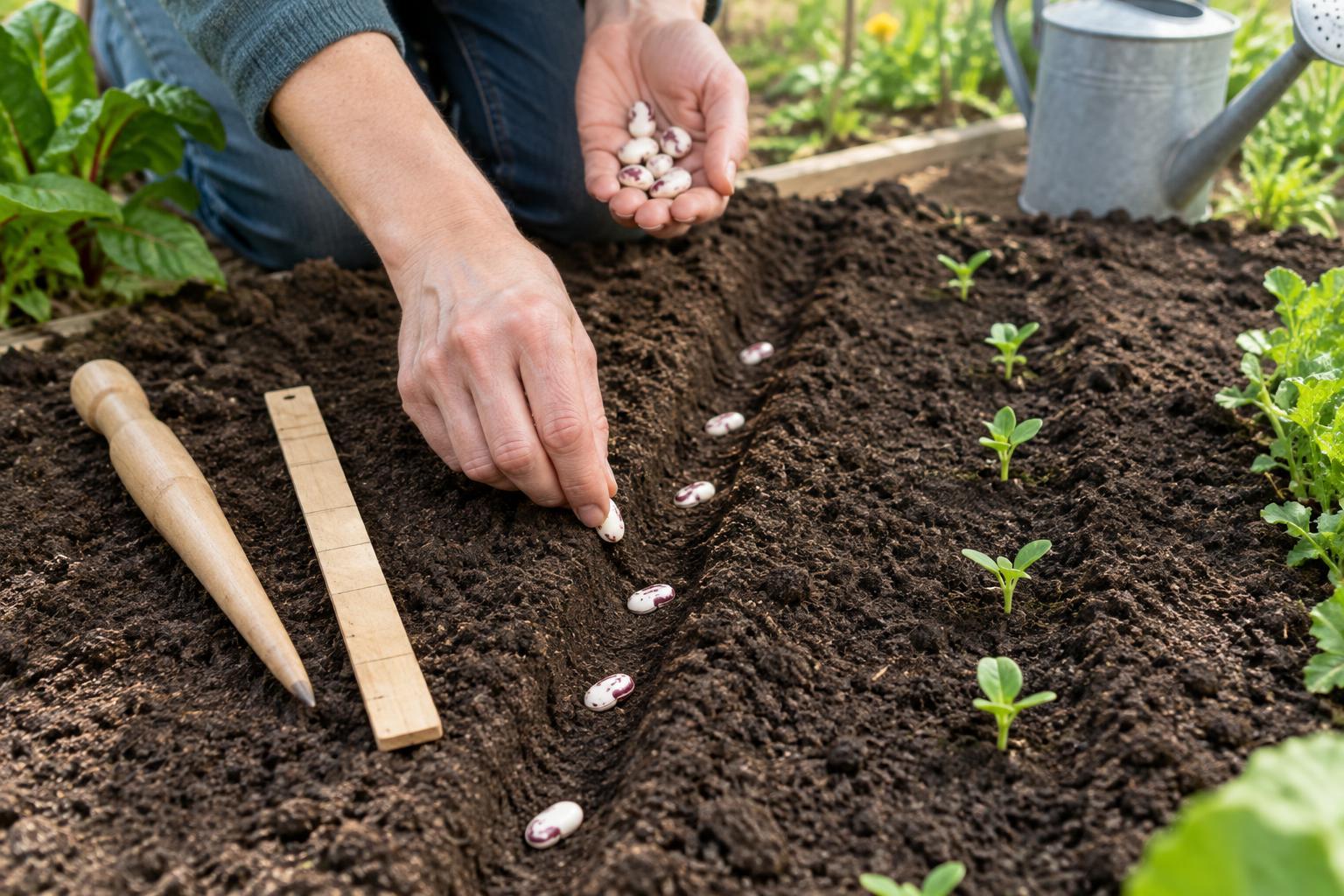
Plants and GrowingDirect-sowing puts seeds where they will grow, but planting them too deeply or too close together can make the next steps harder. Learn how to read seed-packet directions, prepare a seedbed, set a sensible depth and give seedlings room to thrive.
Read article · 4 min↗
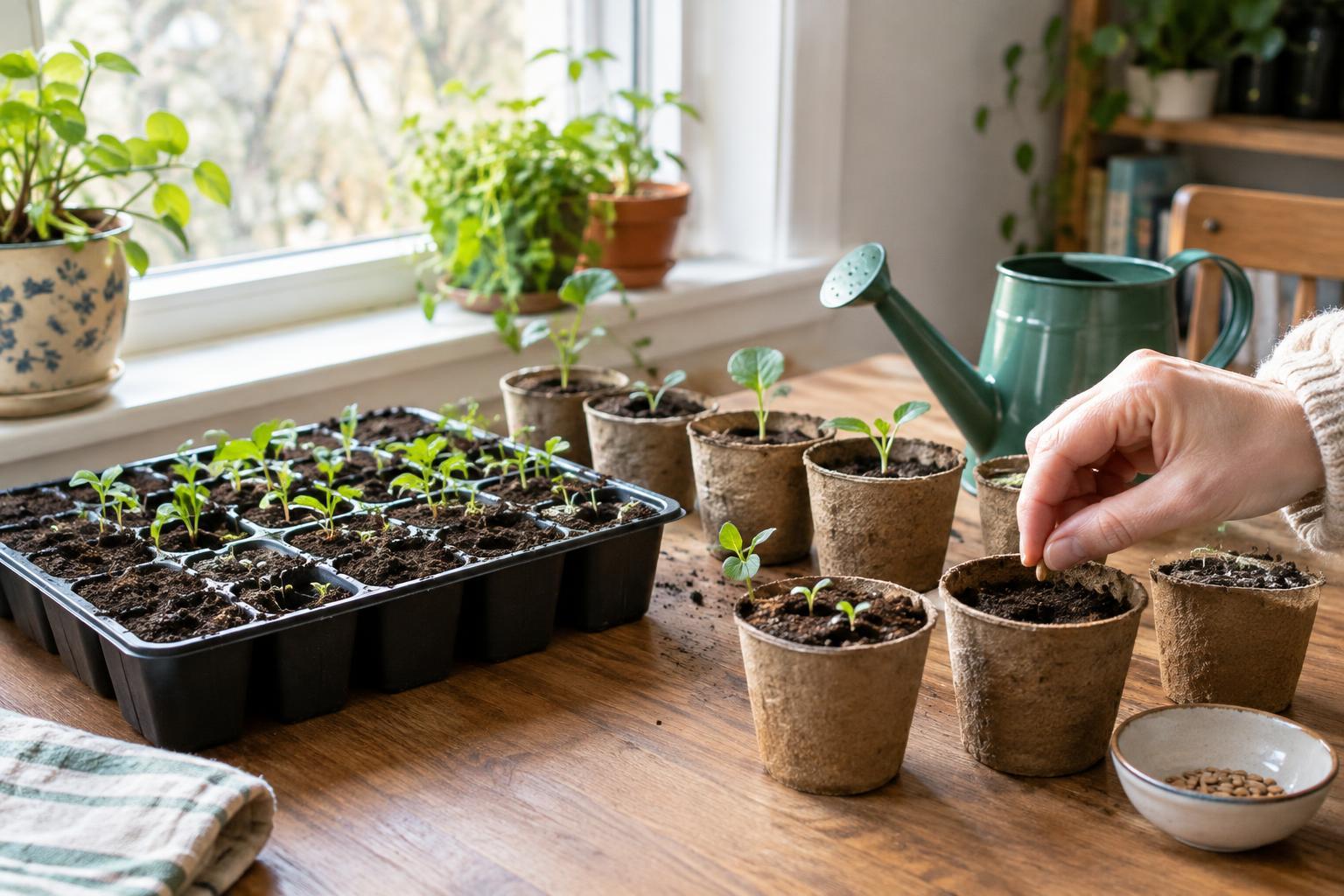
Plants and GrowingYou do not need a dedicated greenhouse to raise seedlings indoors. With clean containers, seed-starting mix, light and a simple watering routine, you can give young plants a useful head start before moving them outside.
Read article · 4 min↗
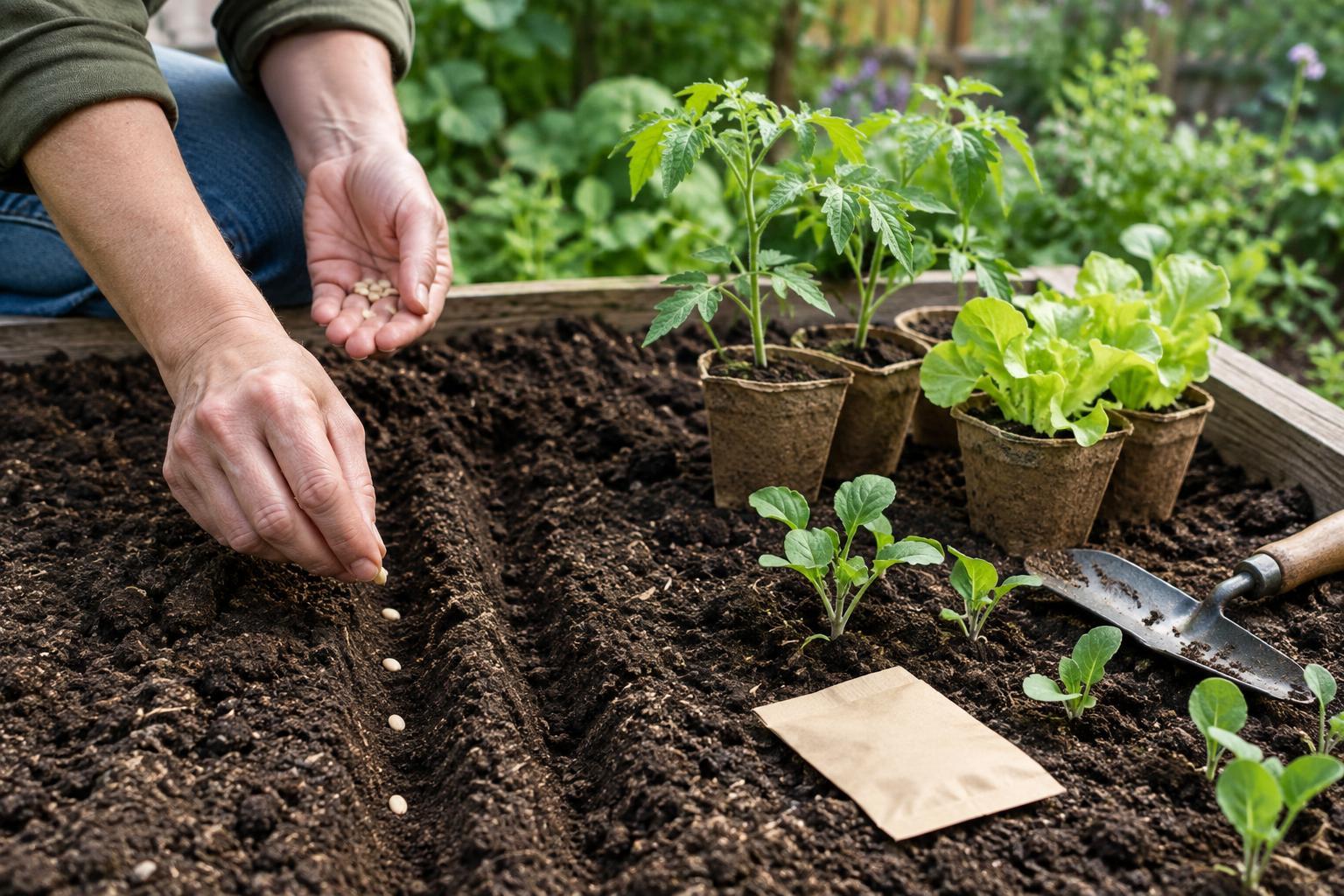
Plants and GrowingSeeds offer choice and value, while transplants give some crops a head start. Learn how to choose the right method for your space, season and gardening routine.
Read article · 4 min↗
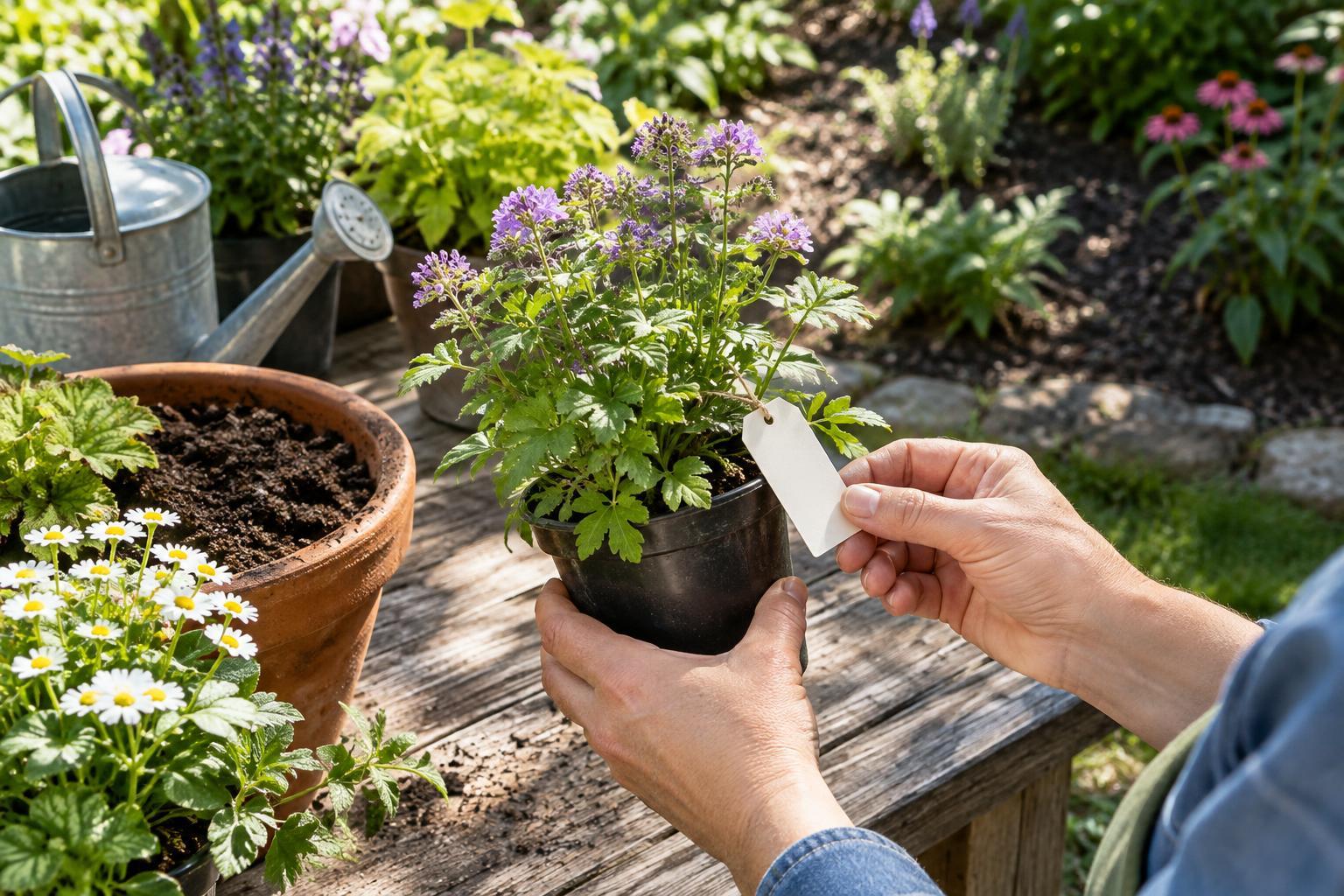
Plants and GrowingPlant labels are a useful starting point, but terms such as “part sun,” “moderate water,” and “hardy” need a little interpretation. Learn how to match those clues to the conditions in your garden, whether you are planting in a bed or a container.
Read article · 4 min↗
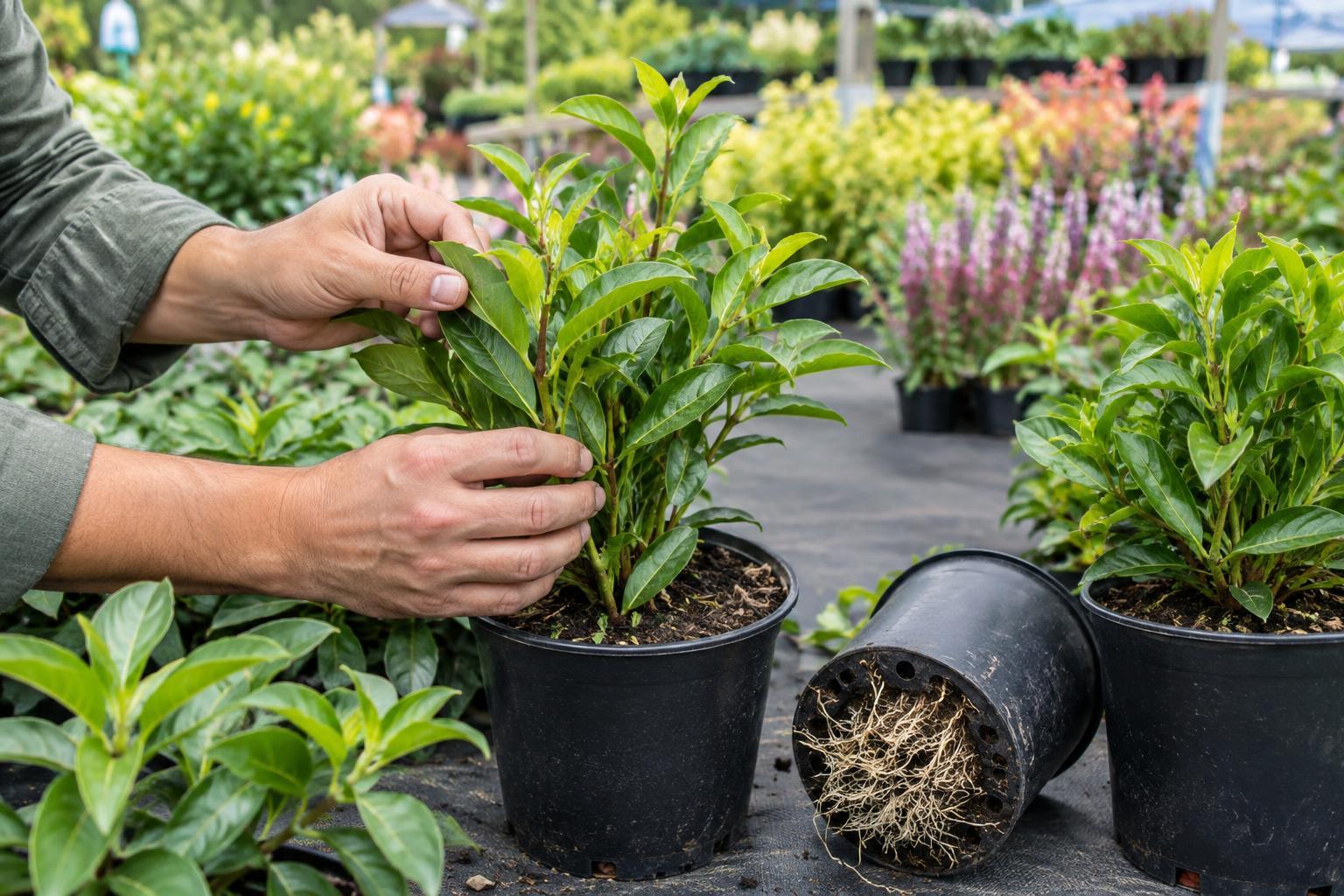
Plants and GrowingA good nursery plant is more than the one with the most flowers. Learn how to check foliage, stems, roots and growing conditions, then choose a plant that suits your garden and can make a smooth transition home.
Read article · 4 min↗
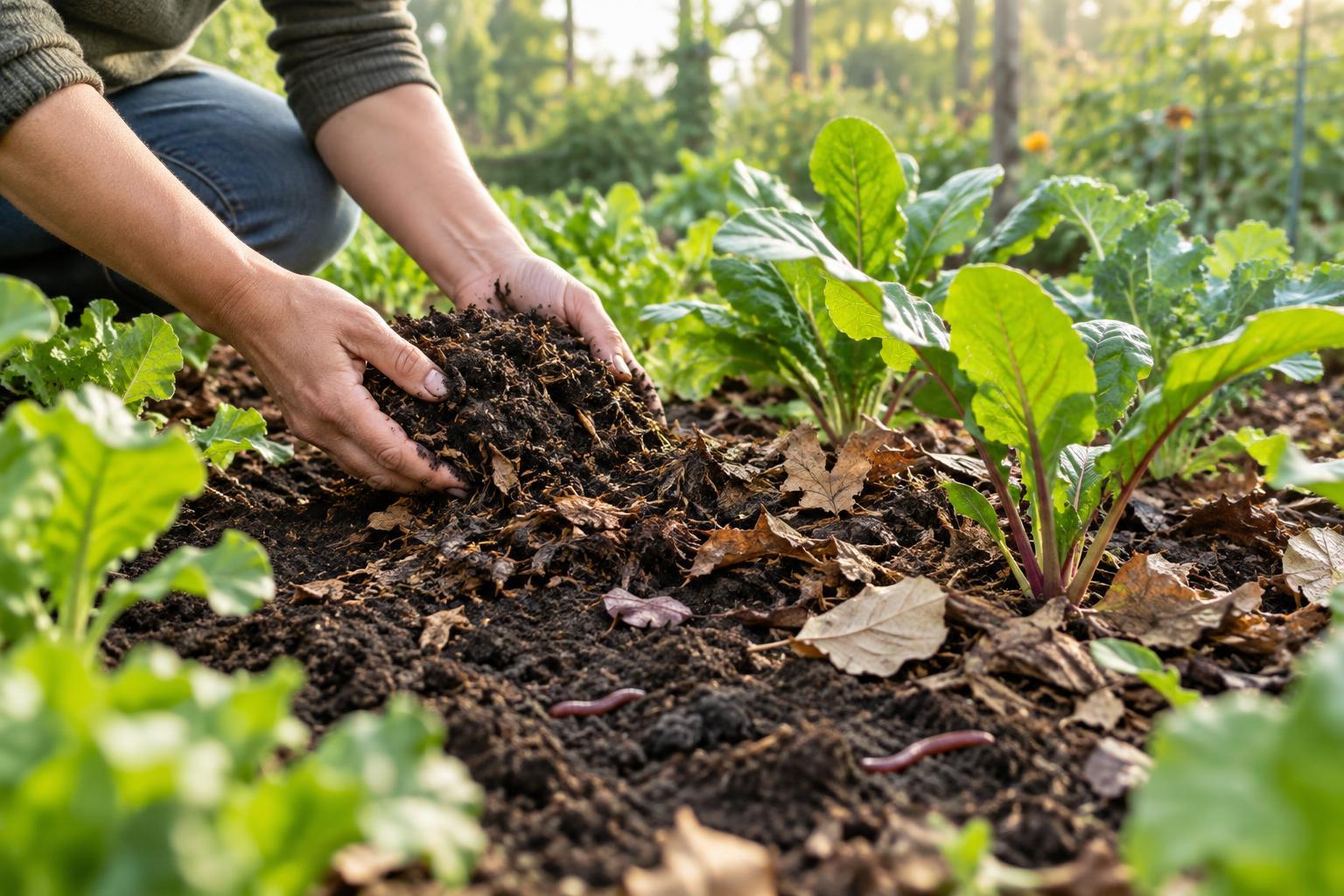
Plants and GrowingBetter garden soil does not have to mean constant digging. Learn how to assess what your soil needs, protect its structure, add organic matter and choose gentle habits that support healthy plant growth.
Read article · 4 min↗
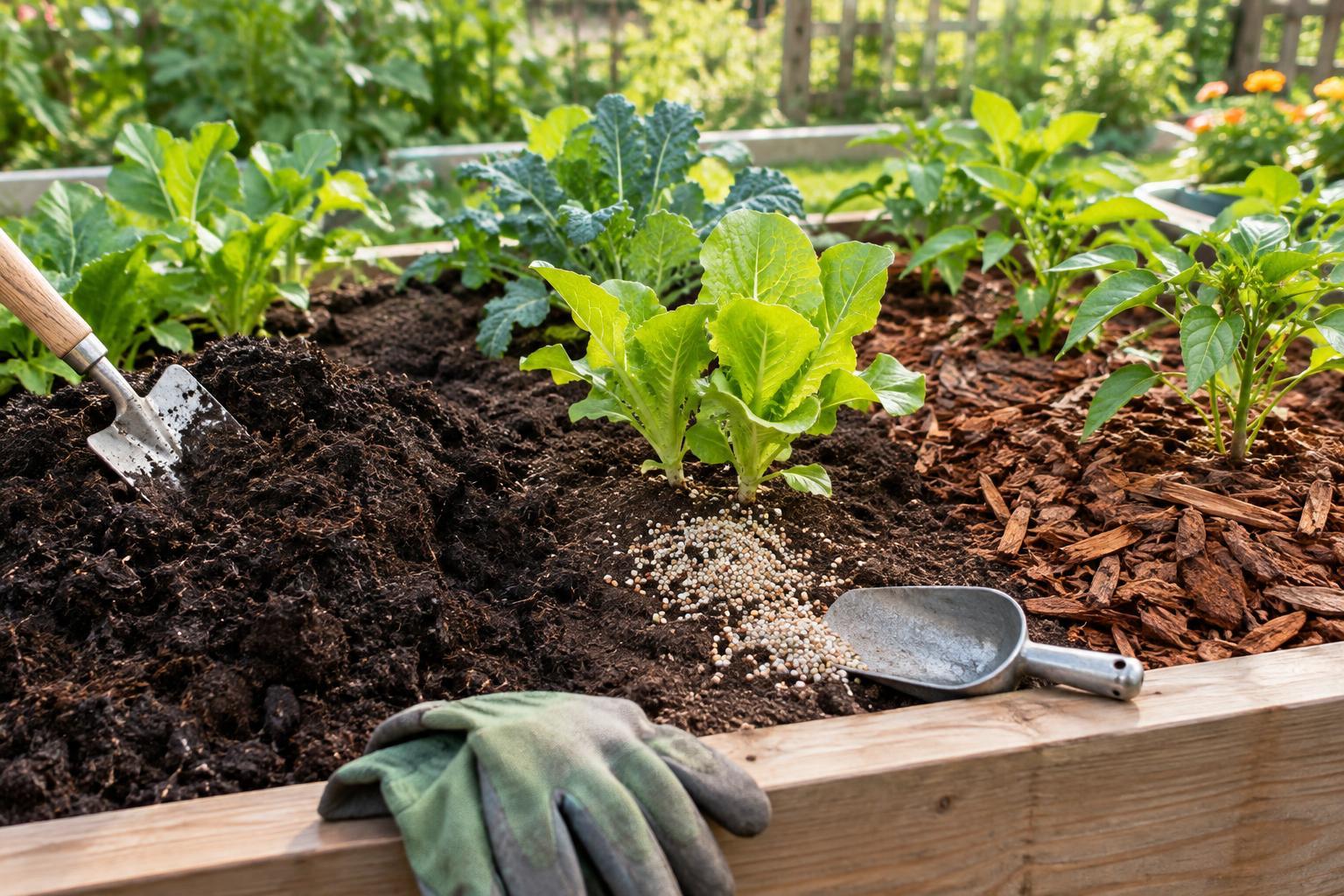
Plants and GrowingCompost, fertilizer, and mulch can all help a garden, but they do different jobs. Learn when to mix material into the soil, when to add nutrients, and when to cover the surface.
Read article · 3 min↗
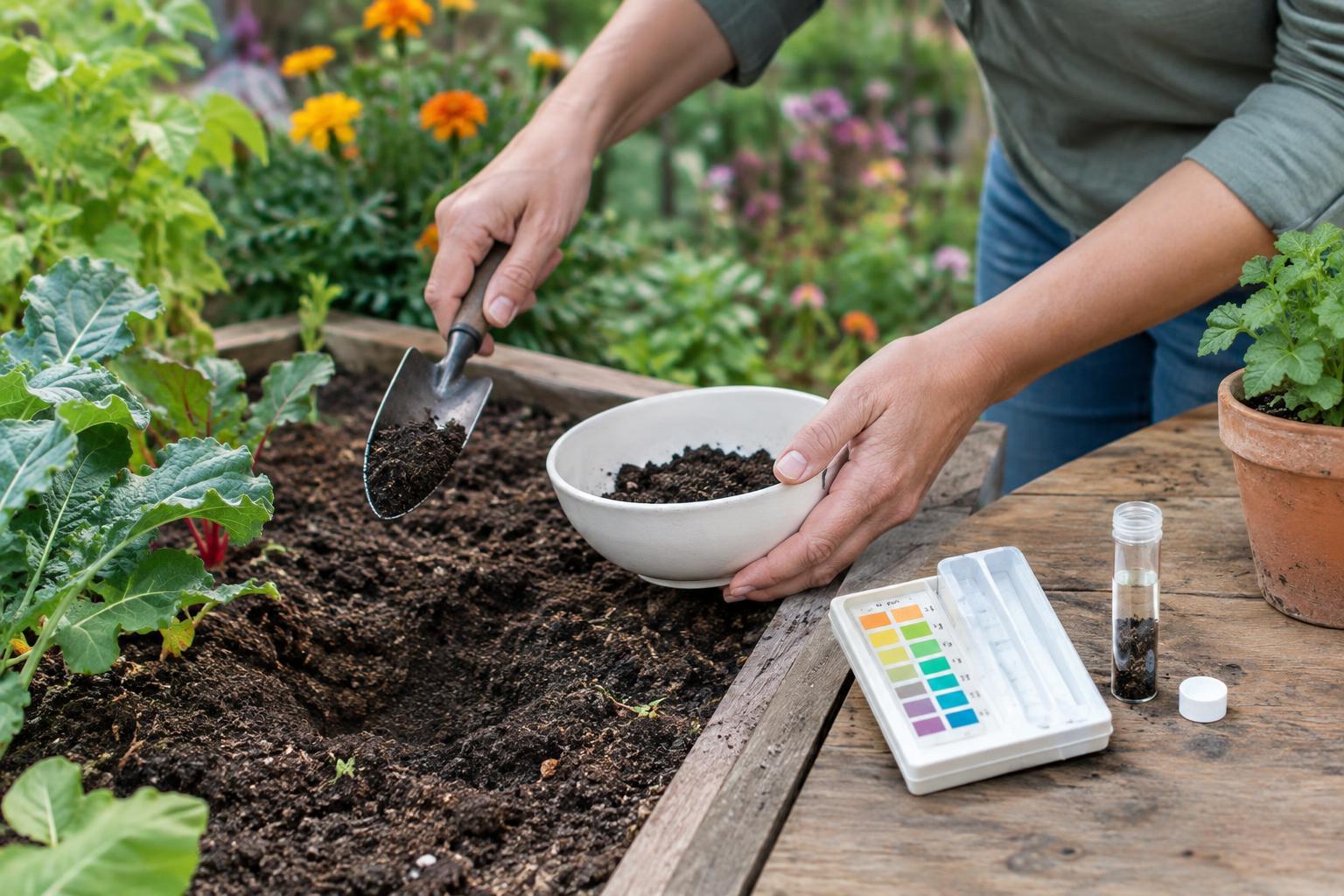
Plants and GrowingSoil pH can help explain why a plant struggles even when it gets enough light and water. Learn how to collect a useful sample, choose a test, read the result and decide whether any change is needed.
Read article · 4 min↗
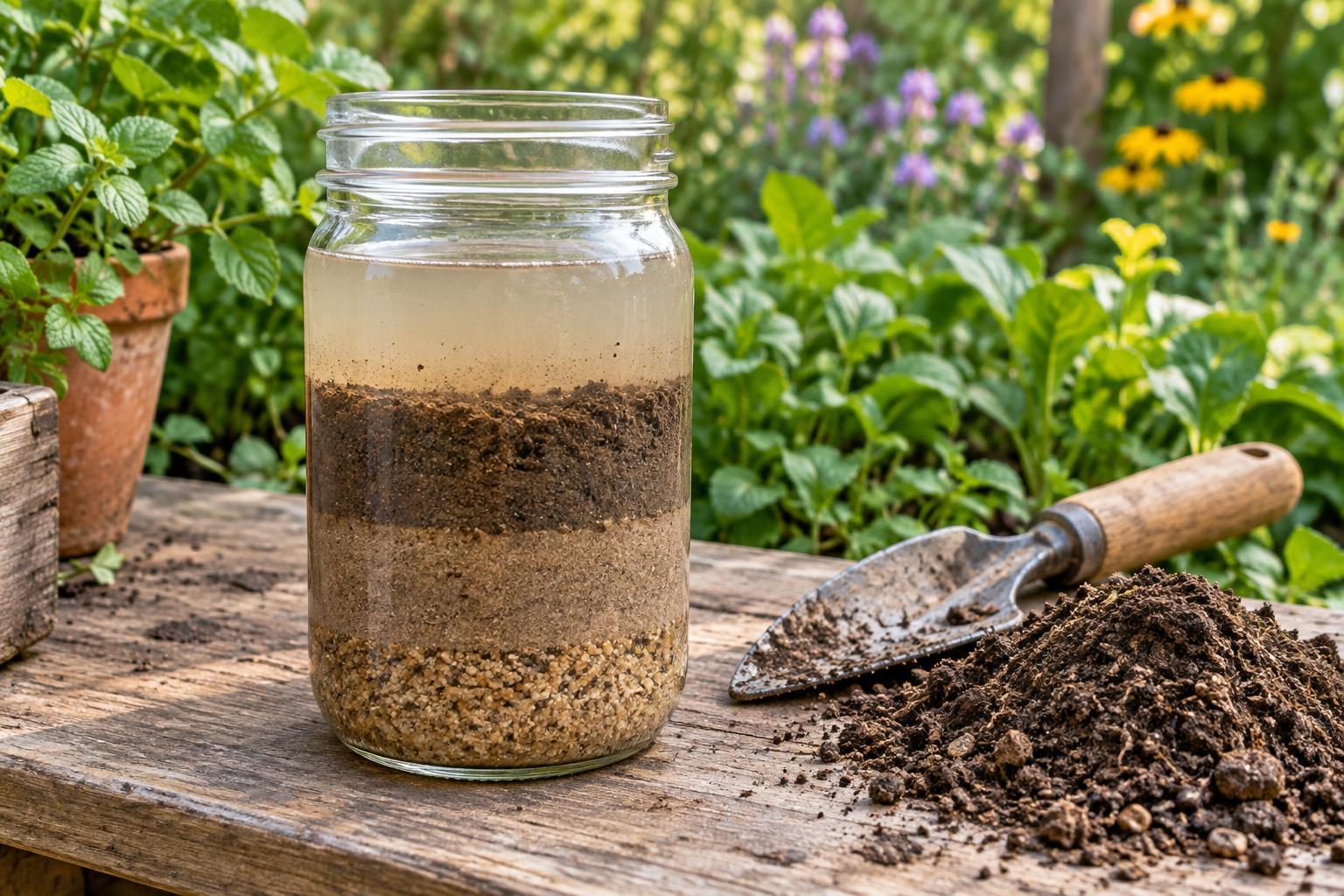
Plants and GrowingA jar of soil and water can reveal the proportions of sand, silt and clay in a garden bed. Learn how to collect a useful sample, read the settled layers and put the results to work when planning what to grow.
Read article · 4 min↗